Poppy Strike 3: First-Person Shooting in Shadowy Arenas
What Kind of Game Is This?
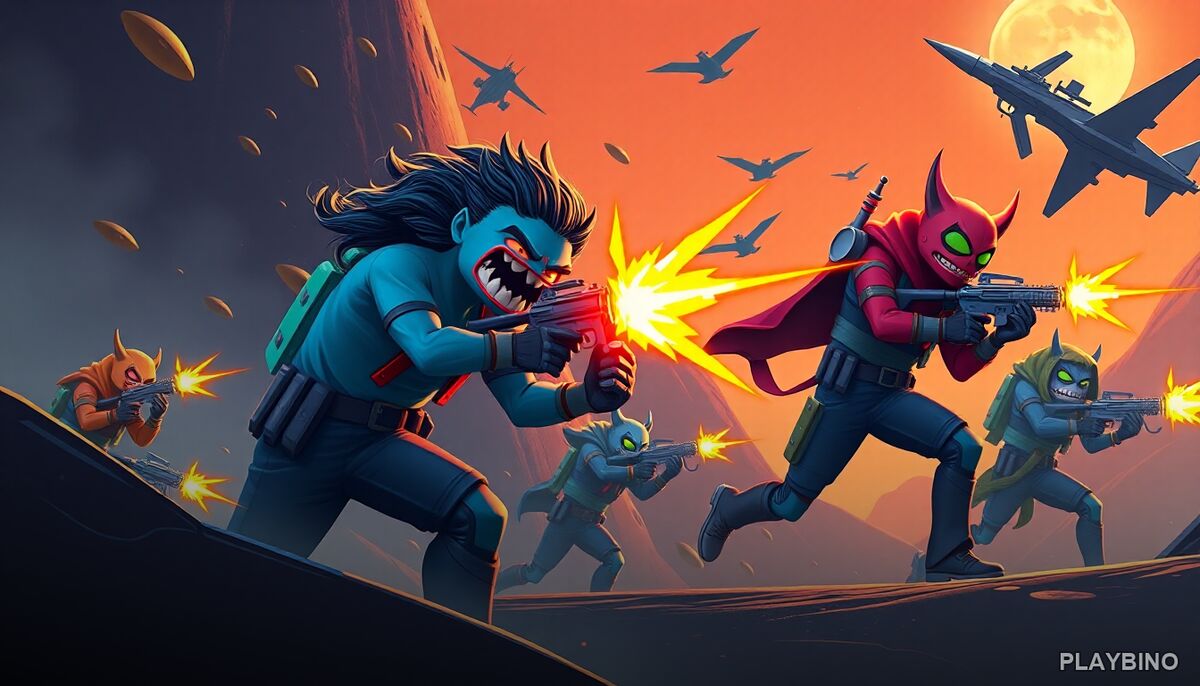
Poppy Strike 3 drops you into close-quarters combat against waves of hostile creatures lurking in dimly lit environments. The atmosphere is oppressive by design — shadows obscure threats, and danger arrives from multiple directions without warning. This is a first-person arcade shooter that leans on tension as much as it does on raw action. Each level sets a target count: eliminate the required number of enemies before they overwhelm you.
If you want to experience the pressure firsthand, try the full challenge in your browser without any download required.
Combat Mechanics and Weapon Choices
The shooting here rewards precision over panic. Spraying bullets at every shadow will drain your resources fast. Instead, the game pushes you toward controlled, deliberate shots — especially against enemies that move unpredictably or approach from confined angles.
Weapon Progression
As you complete level objectives, new weapons unlock. Each one fills a different role. Rapid-fire options handle clustered enemies well, while slower, harder-hitting weapons are better suited for tougher targets that absorb multiple hits. Choosing the right tool for the situation becomes one of the core decisions during a run.
Enemy Variety
Enemy types change as you advance. Some rush directly at you, others hang back or emerge from unexpected angles. Recognizing the behavioral patterns of each creature type helps you prioritize targets and avoid getting cornered. The variety keeps combat from feeling repetitive even across longer sessions.
Positioning and Spatial Awareness
Movement and positioning matter more than most arcade shooters let on. Standing in the open against multiple enemies is a fast way to lose health. Using walls, corners, and narrow passages to funnel threats into predictable paths gives you a significant advantage. Confined spaces are both a hazard and a tool — they limit enemy approach routes, but they also reduce your room to maneuver.
When outnumbered, backing into a defensible position and managing which enemy to eliminate first becomes a genuine tactical decision rather than a reflex exercise.
Difficulty Curve and Adaptability
The early levels serve as a controlled introduction to the mechanics. Enemy counts are manageable, and the environment gives you space to get comfortable with the controls and weapon feel. By the mid-game, the challenge escalates noticeably — enemy aggression increases, spawn patterns grow more complex, and the margin for error shrinks.
- Early stages: learn weapon handling and basic enemy patterns
- Mid levels: faster enemies and tighter spaces demand better positioning
- Later stages: multiple simultaneous threats require active target prioritization
The escalation feels intentional rather than arbitrary. Each difficulty spike corresponds to a new mechanic or enemy behavior being introduced, which keeps the learning curve from feeling like a wall.
Who Plays This Well
Players who enjoy action-arcade games with a survival edge will find the format satisfying. The wave-based structure means sessions can be short or extended depending on how far you push. There's no single correct strategy — some players favor aggressive rushes to clear enemies quickly, while others prefer methodical positioning and careful ammo management. Both approaches can work depending on the level layout.
Timeless Trimble offers a different kind of browser challenge if you want something that contrasts the high-tension shooting here with a different pace and mechanic set.
The Atmosphere Does Real Work
The dark environments aren't just visual decoration. Limited visibility forces you to stay alert even when no enemies are visible. The sound design and shadow play create a sense of unease that keeps you from relaxing between encounters. For an arcade shooter available directly on PlayBino, the atmosphere is notably effective at maintaining pressure throughout each level.