Poppy Survival Shooting Driver: Vehicular Combat Guide
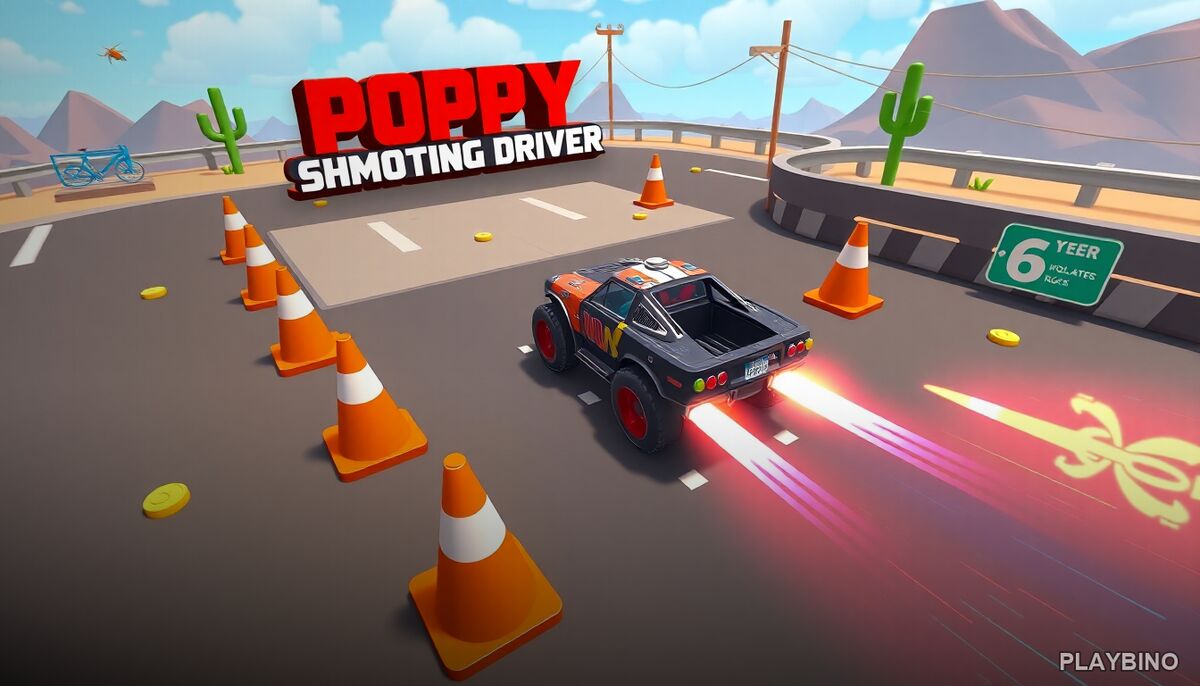
Vehicular Combat Against Monster Waves
Most browser games pick a lane — either driving or shooting. Poppy Survival Shooting Driver refuses to choose. You're behind the wheel of a combat vehicle, tearing through hostile terrain while poppy monsters swarm from every direction. The pressure is constant, and the moment you stop paying attention to either your speed or your aim, the enemies close in fast. Play the full challenge here and see how long you last in the opening waves.
What You're Actually Doing Each Level
Each level drops you into a dangerous landscape packed with hostile creatures. Your job is to navigate the terrain, collect scattered coins, and eliminate enough enemies to push through to the next stage. The coin pickups aren't optional — they fund the upgrades that keep you alive as the difficulty climbs. Skipping them early on means arriving at harder waves underpowered and outgunned.
The enemy count grows with every level. Early waves are manageable, but the monsters become more aggressive and numerous as you progress. Shooting precision starts to matter more than raw speed once the screen fills with threats.
Movement and Positioning
Parking vs. Constant Movement
One of the more interesting decisions in this action-shooting game is whether to keep moving or stop entirely. Parking your vehicle creates a stable firing platform — your aim steadies, and you can focus on picking off targets methodically. The risk is obvious: a stationary vehicle is easier to overwhelm if enemies approach from multiple angles.
Constant movement, on the other hand, makes you harder to pin down but complicates your shooting. Firing accurately while navigating uneven terrain takes practice. The best players learn to alternate — moving aggressively to reposition, then briefly holding position to clear a cluster of enemies before moving again.
Terrain Awareness
The landscapes aren't flat. Elevation changes, obstacles, and tight corridors all affect how enemies approach and how effectively you can fire. Learning the layout of each level helps you anticipate monster spawn directions and choose better defensive spots before the pressure builds.
Upgrading Your Vehicle and Weapons
Coins collected during runs go toward two main areas: vehicle performance and firepower. Vehicle upgrades improve how the car handles on rough terrain and how quickly it responds during evasive maneuvers. Weapon upgrades increase damage output, fire rate, or projectile spread — each option changing how you approach combat.
- Prioritize weapon upgrades early when enemy numbers are low but growing
- Vehicle handling upgrades pay off on levels with complex terrain
- Balance both upgrade paths rather than maxing one at the expense of the other
- Revisit earlier levels if you need more coins before a difficult stage
Combat Flow and Shooting Precision
The shooting mechanics reward accuracy over spray-and-pray tactics. Enemies that take multiple hits to drop are common in later waves, so wasting shots on misses quickly drains your advantage. Taking a moment to line up shots — even while moving — makes a meaningful difference in how many enemies you clear before they reach your vehicle.
The 1-player format puts all the pressure on your own decision-making. There's no teammate to cover a flank or revive you. Every positioning choice, every upgrade decision, and every shot is yours alone. That solo accountability is part of what makes the action feel tense rather than casual.
A Similar Challenge Worth Trying
The mix of driving and combat in this game shares DNA with other vehicle-based action titles on PlayBino. Grandfather Road Chase: Realistic Shooter takes a different approach to the same genre — that road-based shooting experience is worth a look if you enjoy the combination of movement and gunplay. The two games complement each other well as a pair of browser combat runs.
"