Prison Break: Architect Tycoon – Build, Secure, and Expand Your Facility
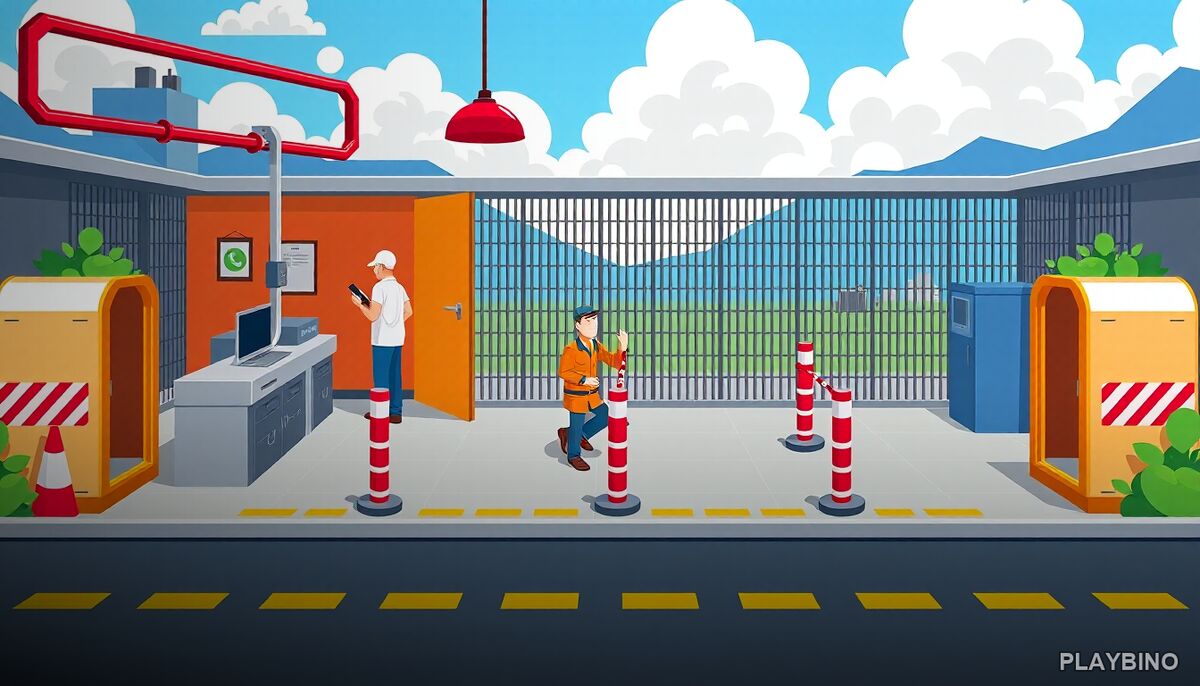
Running a Prison Is Harder Than It Looks
Most tycoon games hand you a theme park or a restaurant. Prison Break: Architect Tycoon puts you in charge of something far more volatile — a correctional facility packed with dangerous inmates who are constantly looking for a way out. The pressure starts immediately. You begin with a bare-bones institution and almost no resources, and the game never really lets you breathe. If you want to see how deep the management goes, try it directly in your browser before reading further.
What You Actually Do
The core loop is a mix of construction, staffing, and threat management. You place reinforced cells, build surveillance infrastructure, and hire security teams — all while keeping an eye on your budget. The simulation side is constant: resources run out, staff need direction, and new inmates arrive with higher escape potential than the last batch.
The idle element means progress continues even when you step away, but active play rewards faster expansion. Deciding whether to widen capacity or reinforce existing structures is the central strategic tension. Build too fast without upgrading security, and you'll face escapes. Invest too heavily in defense without expanding, and your income stalls.
Warden Upgrades
One of the more satisfying mechanics is the warden progression system. Upgrading your warden unlocks faster operations and better multitasking across threats. Early on, a single incident can spiral out of control. A leveled-up warden handles simultaneous problems more efficiently, which becomes critical when you're managing multiple facilities.
Staffing and Surveillance
Security teams don't operate on autopilot. Placing surveillance systems in the right zones and assigning staff to patrol high-risk areas makes a real difference. Neglect a corridor and inmates will exploit it. The game rewards attentive placement over brute-force spending.
Scaling Across Multiple Facilities
Clearing your first facility unlocks additional prisons, each with its own layout constraints and inmate population. The difficulty escalates meaningfully — what worked in the first location won't be enough for the second. Each new site forces you to re-evaluate your approach rather than copy-paste your previous setup. This structure gives the strategy layer real staying power across sessions.
Resource Management and Decision Points
Money management sits at the heart of every decision. Expansions cost resources you may not have yet, and the idle income rate depends on how efficiently your current facility runs. The game creates genuine dilemmas: spend now on an upgrade that reduces escape risk, or save for the next cell block expansion that increases revenue?
- Reinforced cells reduce escape attempts from high-risk inmates
- Surveillance coverage directly affects how quickly threats are detected
- Warden level determines how many simultaneous incidents can be managed
- Facility capacity drives income, but only if security keeps pace
- Each new prison location introduces unique layout and staffing challenges
Who This Game Is For
Players who enjoy idle simulation and layered strategy will find a lot to work through here. The game doesn't demand constant input, but it does reward players who think ahead. If the tycoon and simulation genre appeals to you, the Airport Master Plane Tycoon experience — covered in this comparable management simulation — offers a different operational challenge with similar resource-balancing mechanics worth exploring.
Prison Break: Architect Tycoon sits in a space where idle progression meets genuine strategic decision-making. It's not a passive clicker — it's a management game that asks you to think about structure, risk, and growth simultaneously. Available on PlayBino with no download required, it runs cleanly in a browser and fits naturally into both short sessions and longer planning runs.