Puppy Merge: Physics-Based Merging Puzzle Guide
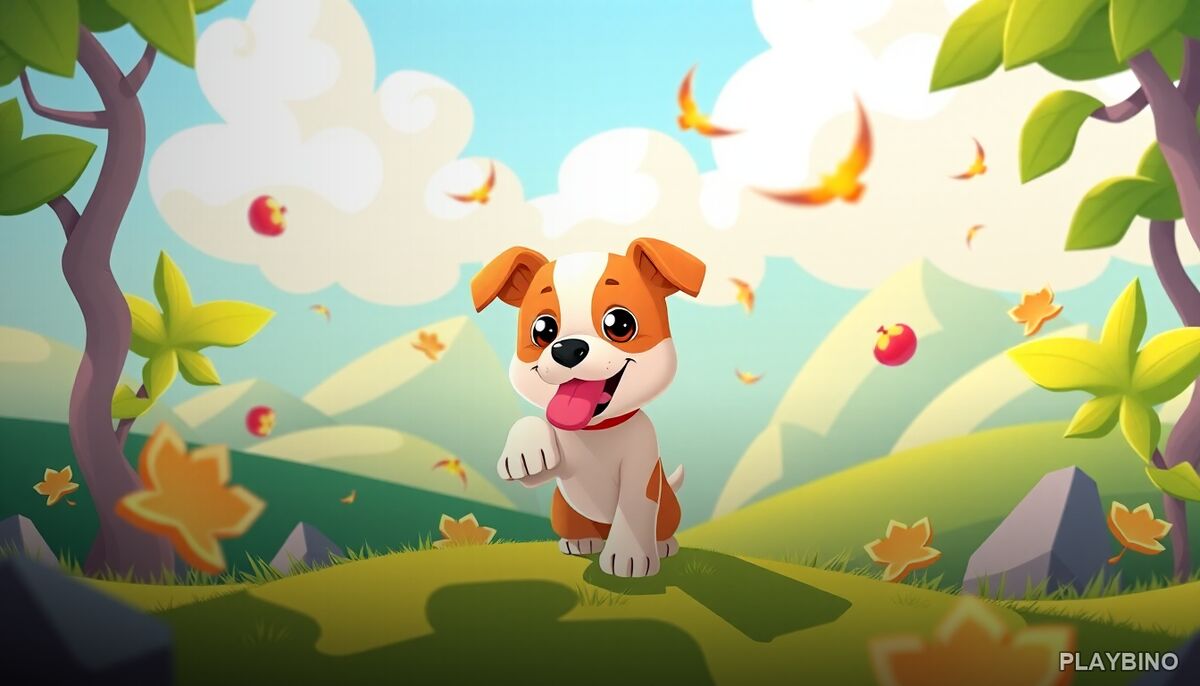
What Puppy Merge Actually Is
At its core, Puppy Merge is a drop-and-merge puzzle where matching canine breeds combine into a single larger dog. The mechanic is simple to grasp in seconds, but the physics-driven arena turns every session into a genuine spatial challenge. Puppies tumble and settle unpredictably, and the confined box fills faster than it looks. Try the game yourself and you will quickly discover that the gap between understanding the rules and executing them well is surprisingly wide.
How the Dropping Mechanic Works
You control where each puppy lands by choosing its horizontal position before it drops. Once released, physics takes over. The pup bounces, rolls, and nestles against whatever is already in the arena. Two identical breeds touching each other merge instantly into the next breed up the chain, clearing space and adding to your score.
Timing Your Drops
The critical skill is not just matching breeds but anticipating where a dropped pup will settle after the bounce. A placement that looks clean can send a small puppy rolling sideways into an awkward gap, blocking future merges. Dropping slowly and watching the physics play out before committing to the next drop is often more effective than rushing.
Managing the Stack
As the arena fills, the stack becomes unstable. Larger merged dogs take up more vertical space, and a poorly placed drop can push the pile dangerously close to the top edge. Losing a pup over the edge does not immediately end the run, but it removes a potential merge piece and raises tension considerably.
Breed Progression and Scoring
Each merge reveals a new, larger dog breed. The progression gives the game a satisfying rhythm: small breeds merge into medium ones, medium into large, and so on. Higher-tier merges contribute significantly more to your score, so chasing those big combinations rather than just clearing space is the real strategic goal. Prioritizing merges that chain into further merges, rather than resolving isolated pairs first, tends to produce much higher scores.
Strategy That Actually Matters
Puppy Merge rewards forward planning more than pure reflexes, though both matter when the stack gets chaotic.
- Keep similar breeds clustered: Positioning matching pups close together shortens the time before they merge and reduces clutter.
- Avoid filling corners early: Corners trap pups and make late-game recovery nearly impossible.
- Use larger dogs as anchors: A big merged dog in the center creates a stable base that smaller pups can settle against predictably.
- Watch the next piece: Knowing which breed is coming next lets you plan one drop ahead instead of reacting blindly.
Who This Game Suits
The one-player puzzle format makes it a good fit for anyone who enjoys short, repeatable sessions with a clear scoring goal. The strategy layer is genuine without being overwhelming, and the physics element adds enough unpredictability to keep each run feeling different. Players who enjoy merge puzzles and want something with a bit more spatial tension than a static grid will find the confined arena format engaging. Hamster Cute Merge follows a very similar concept with different characters — that comparable merge experience is worth exploring if this style of puzzle clicks for you.
The Tension Curve
What separates a good run from a great one in Puppy Merge is how well you manage the late-game pressure. Early drops feel relaxed and forgiving. By the midpoint, every placement carries real consequences. The arena does not get physically larger, but the complexity of the stack grows with each new breed tier. That escalating tension is the game's strongest quality — it turns a simple mechanic into something that demands genuine concentration without ever feeling unfair.