Puzzle Funny Animals: Sliding Tile Puzzles With 60 Cheerful Animal Portraits
What Kind of Game Is This?
Sliding tile puzzles have been around for decades, and Puzzle Funny Animals takes that familiar format and wraps it in bright, cartoonish animal artwork. The premise is simple: a complete image gets broken into movable pieces arranged on a grid, and your job is to shift those pieces back into the correct positions. Play it directly in your browser and you'll see immediately how clean and accessible the whole experience feels.
With 60 different animal portraits to work through, from grinning cats to playful pandas, there's a lot of content here for a logic-based single-player puzzle game. Each image has its own personality, which gives you something to look forward to as you progress.
The Sliding Mechanics
The core mechanic is straightforward. One tile space is left empty, and you slide adjacent pieces into that gap to gradually rearrange the board. There are no timers forcing you to rush, no complex controls to memorize. You click or tap a piece next to the empty slot, and it moves.
Spatial Reasoning Matters
What makes sliding tile puzzles genuinely challenging is that you can't just move pieces wherever you want. Every shift affects the position of surrounding tiles. Getting one piece into the right spot often means temporarily displacing others. The game rewards players who think a few moves ahead rather than randomly shuffling tiles hoping something clicks into place.
Increasing Complexity
Early puzzles use smaller grids and simpler images, making them approachable for players new to the format. As you advance, the grid size grows and the images become more detailed, which makes individual pieces harder to identify and correctly orient. That gradual difficulty curve keeps the brain puzzle experience from feeling flat.
The Animal Artwork
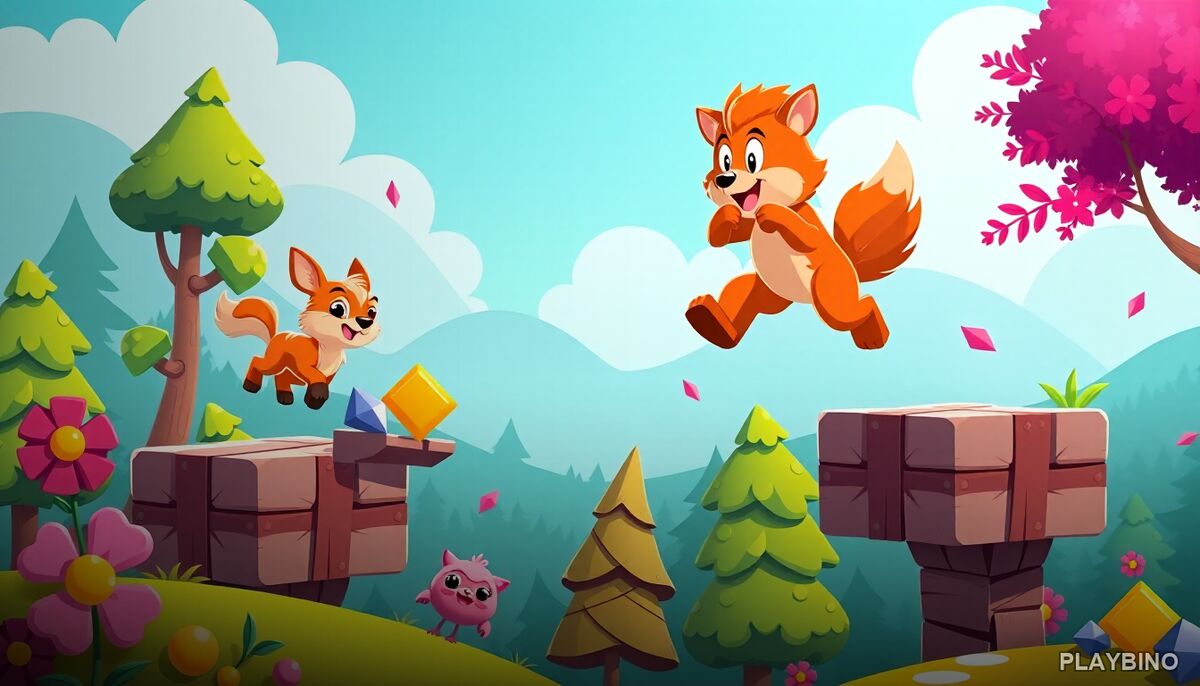
The visual style leans into cheerful, cartoonish character design. Each animal portrait has expressive features and bold colors, which actually serves a practical purpose beyond aesthetics. When pieces share similar colors or patterns, identifying where each one belongs becomes part of the logic challenge. A panda's black-and-white contrast, for example, creates a different kind of spatial problem than a colorful parrot.
Solving a puzzle and watching the full image snap into place carries a small but real sense of reward. The artwork is the payoff, and it works well in this context.
Session Length and Pacing
One thing that works in this game's favor is its flexibility. A simpler puzzle on a small grid can be finished in a couple of minutes, making it a good fit for short breaks. More complex puzzles on larger grids can stretch into longer sessions if you're working carefully through a difficult arrangement.
There's no pressure to finish quickly. The game suits a relaxed pace, which makes it a reasonable choice when you want something mentally engaging but not stressful. Block Numbers Puzzle takes a different angle on grid-based brain challenges — that number-focused alternative is worth exploring if you like logic puzzles but want something with a different structure.
Who This Game Suits
- Players who enjoy logic and spatial reasoning challenges
- Anyone looking for a calm, low-pressure puzzle format
- Fans of sliding tile games who want a large variety of images
- Casual players who prefer short sessions they can pick up and put down
- Those who appreciate clean, cheerful visual design in browser games
Replay Value and Content Volume
Sixty puzzles is a solid amount of content for a browser-based puzzle game. PlayBino hosts the game without downloads or installs, so returning to continue where you left off is frictionless. The variety of animal images means each puzzle feels visually distinct even when the underlying mechanic stays consistent. That combination of familiar format and fresh imagery is what gives the game its staying power across multiple sessions.
"