Race Street of Crash: Urban Racing, Upgrades, and Controlled Chaos
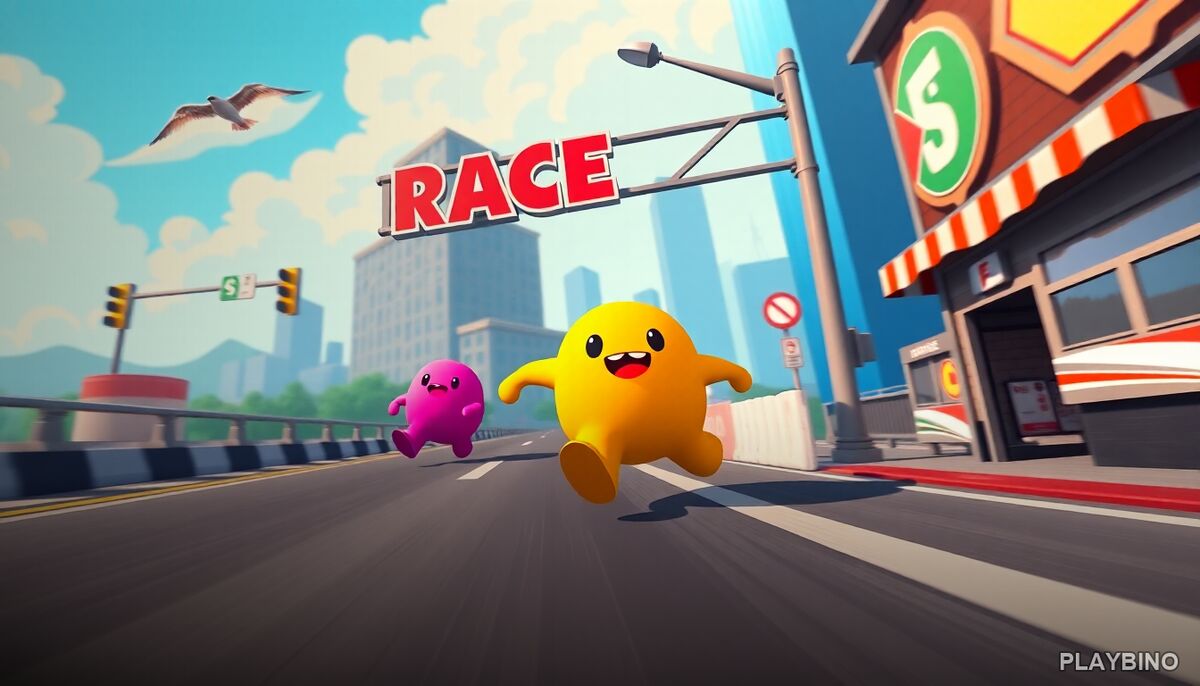
What Kind of Racing Game Is This?
Not every racing game asks you to think. Race Street of Crash does. The circuits are tight urban streets, rivals push hard, and corners arrive faster than you expect. Speed matters, but raw throttle alone will plant you into a barrier before the second lap is done. This is a simulation-flavored action racer that rewards players who read the track and manage their car, not just those who hold the accelerator flat.
If you want to feel what that tension is like before committing, try the full run in your browser and see how quickly the first few corners teach you something.
The Upgrade Loop and Why It Matters
Between races, the garage is where races are actually won. Swapping in a stronger engine changes how you exit corners. A turbo affects top-end speed on longer straights. Timing a nitro burst correctly — not just hammering it at the start — can make the difference between closing a gap and burning your boost on nothing useful.
Engine and Turbo Choices
Early upgrades tend to favor acceleration over top speed, which suits the tighter street circuits. As competition stiffens, balancing both becomes necessary. Spending resources on the wrong component early can leave you underpowered in later events, so thinking a few races ahead pays off.
Visual Customization
Beyond raw performance, the game lets you personalize your car visually. It does not affect lap times, but it adds a layer of ownership to the progression that makes winning feel more personal. Your car starts looking like your car, not just a vehicle you borrowed for the race.
How the Street Circuits Feel
Urban racing in this game carries a gritty, aggressive tone. Rival cars are not passive — they compete for position and will force you wide if you leave space. Traffic adds unpredictability to routes you thought you had memorized. The simulation side shows in how the car responds to weight shifts and late braking. Cutting corners too aggressively scrubs speed; braking too early hands the position to whoever is right behind you.
- Tight city corners that punish overconfidence
- Aggressive AI rivals that compete for racing lines
- Traffic as a variable hazard, not just decoration
- Nitro management as a tactical decision, not a panic button
- Progressive difficulty that scales with your car's performance
The Progression Structure
Winning races earns resources. Resources unlock better components. Better components make tougher events accessible. The loop is clean and satisfying without feeling padded. Early races are winnable with stock equipment, giving you a chance to learn the circuits before the competition gets serious. Later events punish under-upgraded cars noticeably, which keeps the upgrade decisions meaningful rather than cosmetic.
Who Plays Well Here
Players who enjoy car games with a simulation edge — where braking points and upgrade paths matter — will find a lot to engage with. The action side keeps things from feeling overly technical. You are still racing aggressively, reading gaps in traffic, and reacting to rivals cutting across your line. The balance sits closer to accessible action than hardcore sim, which makes it approachable without feeling shallow.
Squid Gamer City Driving Gang takes a different angle on city driving — that city driving experience is worth a look if you want to see how another browser game handles urban vehicle gameplay with its own distinct twist.
Driving Feel and Replay Value
Race Street of Crash on PlayBino keeps sessions short enough to fit a break but structured enough that you always have a clear next goal. Upgrade targets, tougher rivals, and new circuits create a natural pull to keep going. The car handling feels responsive without being twitchy, which means mistakes read as driver errors rather than control failures. That accountability is what makes improving feel earned.