Red and Blue Castlewars: Physics Artillery PvP Browser Game
Castle vs Castle: What the Game Is About
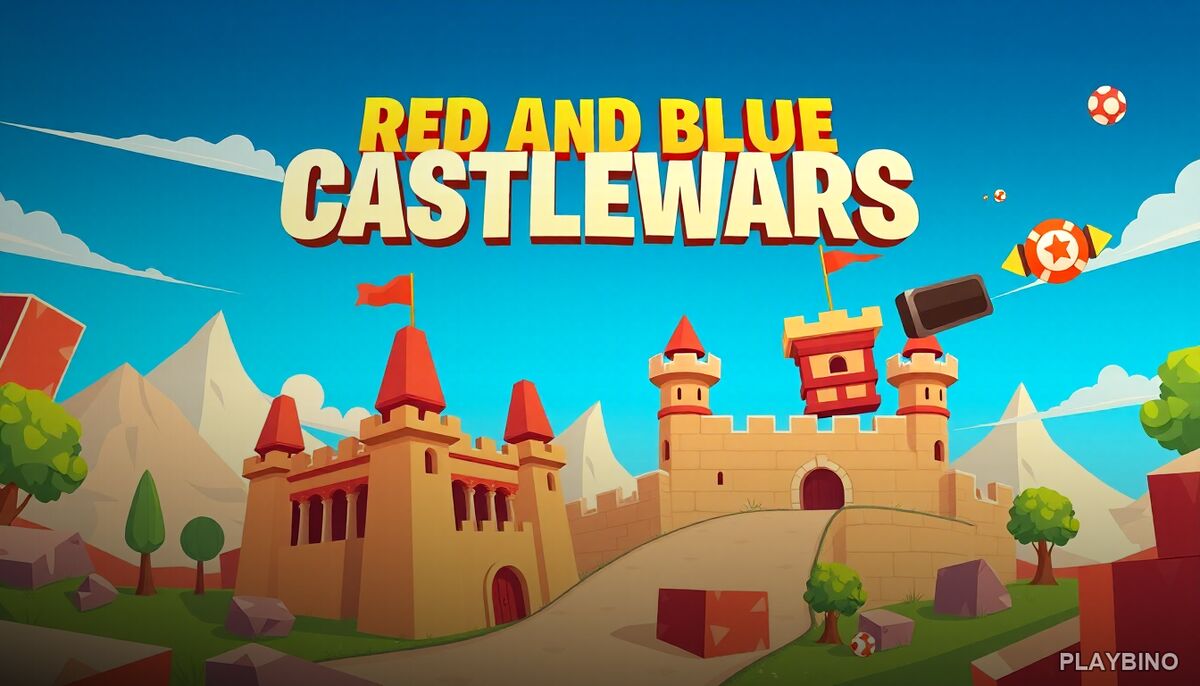
Two castles. Two cannons. One winner. Red and Blue Castlewars drops a pair of players onto opposite ends of a battlefield and asks a simple question: who can reduce the other's fortress to rubble first? The medieval setting keeps things lighthearted, but the competitive tension is real the moment cannonballs start flying. Play it directly in your browser and you'll feel the satisfying crunch of stone blocks tumbling within the first thirty seconds.
Physics and Trajectory: The Core Mechanic
The game runs on physics-based artillery logic. Every shot you fire follows a trajectory shaped by the angle you choose. Aim too flat and the ball skips past. Aim too steep and it drops short. Finding the right arc for each shot is the central skill, and it takes a few rounds before the angles start feeling instinctive.
Stone blocks don't just disappear when hit. They shift, collapse, and pile up in ways that change the shape of the enemy castle over time. A lucky shot might not destroy the wall directly, but it can destabilize a section and make the next hit far more destructive.
Ammunition Choices
Different projectile types add a layer of decision-making beyond raw aim. Some ammunition deals heavier impact damage, others may behave differently on contact. Switching between them mid-match lets you adapt when one approach stops working. Recognizing when to switch is part of the strategy depth the game quietly rewards.
Two-Player Format and Competitive Feel
The 2-player PvP structure means both players share the same screen, taking turns or firing in real time depending on the round format. Playing against a friend sitting beside you creates a natural back-and-forth tension that solo browser games rarely replicate. Rounds move quickly, which makes rematches feel automatic rather than forced.
The action-strategy balance works because neither player feels helpless. Both sides have the same tools. The outcome comes down to aim, timing, and how well you read the damage accumulating on the opponent's structure.
What Makes Each Match Feel Different
Because the castles are built from physics-reactive blocks, no two matches play out identically. A wall that partially collapsed in round one might leave a gap that changes your targeting priority in round two. The structural damage creates a visual record of the fight, and watching a tower lean before finally toppling carries genuine satisfaction.
- Physics-driven block destruction that changes castle shape dynamically
- Multiple ammunition types for varied attack strategies
- Quick match length suited to competitive back-to-back sessions
- Colorful medieval visuals that stay readable during action
- Accessible controls with enough depth to reward consistent aim
Strategy Tips for New Players
Aim for Structural Weak Points
Rather than targeting the center of a wall, look for joints between blocks or elevated sections. Hitting a support block low on the structure can cause upper sections to cascade down, dealing far more effective damage than a direct hit to the middle of a solid wall.
Adapt Your Ammunition Early
Don't commit to one projectile type for the whole match. If your first two shots aren't creating meaningful damage, switch ammunition and reassess the angle. Flexibility in both trajectory and ammo choice separates reactive players from mechanical ones.
Similar Competitive Browser Games
Minicraft Duello offers a different kind of head-to-head experience if the castle artillery format leaves you wanting more competitive browser play. That two-player challenge takes a different approach to the PvP format but shares the same quick-session energy. Both games sit comfortably in the PlayBino catalog for players who want competitive matches without long setup times.
"