Reef Connect Challenge: Underwater Match-3 Puzzle Strategy
What Kind of Puzzle Is This?
Reef Connect Challenge sits at the intersection of match-3 mechanics and connection-based logic. Instead of swapping tiles on a fixed grid, you draw lines between identical colored blocks to clear them from the board. New blocks rise from below as space opens up, which means the board is never static. The puzzle keeps reshaping itself around your decisions, and that constant motion is what makes it feel different from standard match-3 games.
If you want to see how the mechanic plays in motion, the full browser version is available on PlayBino without any download or login required.
The Core Loop and How Matching Works
Each round starts with a board filled with colorful coral-themed blocks. Your job is to spot two or more identical pieces and connect them by drawing a line. Once connected, they clear. That cleared space triggers new blocks to rise from the bottom, which can either create helpful new matches or complicate the layout depending on what appears.
Timing Your Connections
The game does not rush you with a timer in the traditional sense, but the board fills up quickly if you make inefficient moves. When several matching pairs appear at once, you need to decide which connection to make first. Some clears will open better positions for the next move, while others might block a chain you were building. Thinking one or two steps ahead is what separates fast clearers from players who stall out.
Managing Board Space
Space management is the central skill here. Every connection you make changes what rises next. If you clear blocks from one corner repeatedly, the rising blocks cluster there and can create bottlenecks. Spreading your connections across the board tends to keep the layout more manageable, especially as patterns grow more complex in later stages.
Visual Design and Atmosphere
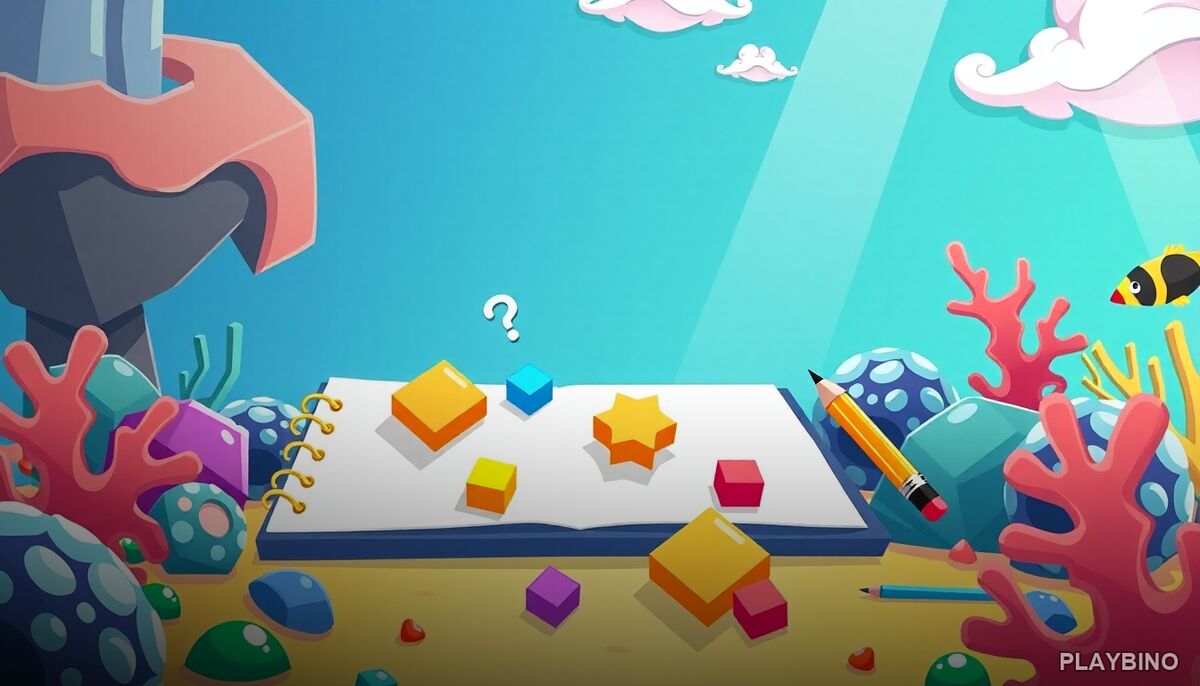
The underwater coral setting gives the game a calm visual identity. Soft blues, bright oranges, and deep purples make up the color palette, which helps with quick pattern recognition since each block type reads clearly at a glance. The ocean backdrop works well as a contrast to the mental effort the puzzle demands. It does not distract, and the colors are distinct enough that matching by sight stays comfortable even when the board gets crowded.
Who This Game Suits
Reef Connect Challenge works well for players who enjoy logic and brain puzzles but want something more tactile than a static grid game. The connection mechanic adds a spatial element that pure match-3 games lack. You are not just identifying pairs — you are also deciding the physical path of each connection, which adds a layer of planning that keeps the brain engaged.
- Good for short sessions between five and fifteen minutes
- Rewards spatial awareness and pattern recognition
- No time pressure means you can think at your own pace
- Increasing board complexity keeps the challenge from feeling repetitive
- Single-player format with no account or multiplayer requirement
Strategy That Actually Helps
One practical approach is to prioritize clearing blocks near the bottom of the board. Since new blocks rise from below, keeping the lower rows clear gives you more reaction time when fresh pieces appear. Avoid making connections that leave isolated single blocks surrounded by different colors — those orphaned pieces become harder to clear later and can clog the board fast.
Another useful habit is scanning the full board before committing to a connection. It takes a few extra seconds, but spotting a longer chain opportunity before making a quick two-block match can save you several moves later in the round.
A Similar Puzzle to Try
If the underwater matching theme appeals to you, Pop Fish Match Online Game takes a comparable concept in a slightly different direction and is worth exploring after a few rounds here. Both games share the ocean aesthetic and the satisfaction of clearing a crowded board, but the mechanics differ enough to keep things fresh.