Sake Hockey: Fast PvP Action in a Feudal Japan Setting
What Kind of Game Is This?
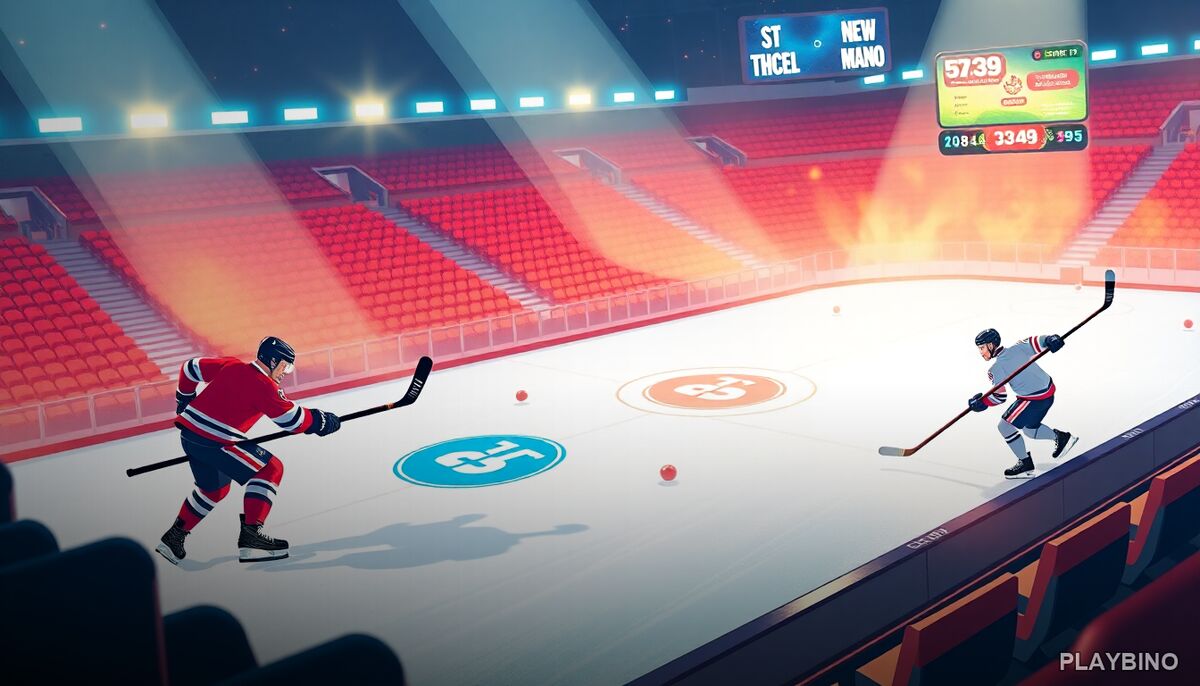
Sake Hockey drops two players onto a frozen rink dressed in the visual language of feudal Japan. Warriors replace standard athletes, and every match plays out as a direct one-on-one contest. The concept is straightforward: slide the puck past your opponent's defense and score more goals. But the execution demands quick reflexes, smart positioning, and the ability to read your opponent in real time. You can play it directly in your browser without any download or setup.
Movement and Shot Mechanics
Control in Sake Hockey centers on moving your warrior across the rink and timing your hits. The rink is compact, which means there is very little margin for lazy positioning. Every step you take either opens up a passing lane or closes one down.
Timing Your Shots
Shots are not just about direction. Hitting the puck at the wrong moment gives your opponent time to recover and reposition. The best scoring opportunities come when your opponent is slightly out of place, either overcommitting to one side or recovering from their own missed attempt. A well-timed strike into the gap is far more effective than raw aggression.
Defensive Angles
Defense works on similar principles. Positioning your warrior to cut off the most dangerous shooting angles forces your opponent into lower-percentage attempts. Chasing the puck blindly leaves your goal open. Patience on defense often creates the fastest counter-attack opportunities.
Power-Ups and Momentum Shifts
During matches, power-ups appear on the rink and can change the flow of the game instantly. Picking one up at the right moment can swing a close match in your favor, while ignoring them hands your opponent a free advantage. The presence of power-ups adds a layer of spatial awareness beyond just tracking the puck. You are always managing multiple priorities at once: defending your goal, pressuring your opponent, and staying aware of what is appearing on the ice.
Playing Against a Human Opponent
The 2-player and PvP nature of Sake Hockey is where the game finds its sharpest edge. Competing against another person sitting beside you removes any predictability. Human opponents adapt, bluff, and change rhythm in ways that a fixed AI pattern cannot replicate. Matches become psychological as much as physical. You start recognizing tendencies: does your opponent always push left after a missed shot? Do they go for power-ups aggressively or play conservatively? Adjusting your strategy mid-match based on those reads is what separates close wins from comfortable ones.
Dodge Ball Jump, another quick arcade challenge on PlayBino, shares that same emphasis on fast reactions and spatial judgment if you want something in a similar vein after a hockey session.
Strategy Across Different Match Phases
- Early game: Establish positioning habits and probe for your opponent's defensive tendencies.
- Mid game: Use power-ups actively and vary your shot placement to avoid becoming predictable.
- Late game: If leading, tighten your defensive angles and force your opponent into rushed decisions. If trailing, increase pressure and accept more risk on offense.
Who Will Enjoy Sake Hockey Most
The arcade format keeps sessions short and replayable. There is no lengthy progression system or unlockable content to grind through. The satisfaction comes from the match itself: the back-and-forth tension, the momentum swings, and the moment a well-placed shot finally gets through. Players who enjoy fast PvP action and competitive one-on-one formats will find the loop genuinely engaging. The feudal Japan aesthetic gives it a distinct visual identity without overcomplicating what is, at its core, a clean and competitive arcade experience.