Sandwich Runner 2: Build the Perfect Meal While Sprinting Through Chaos
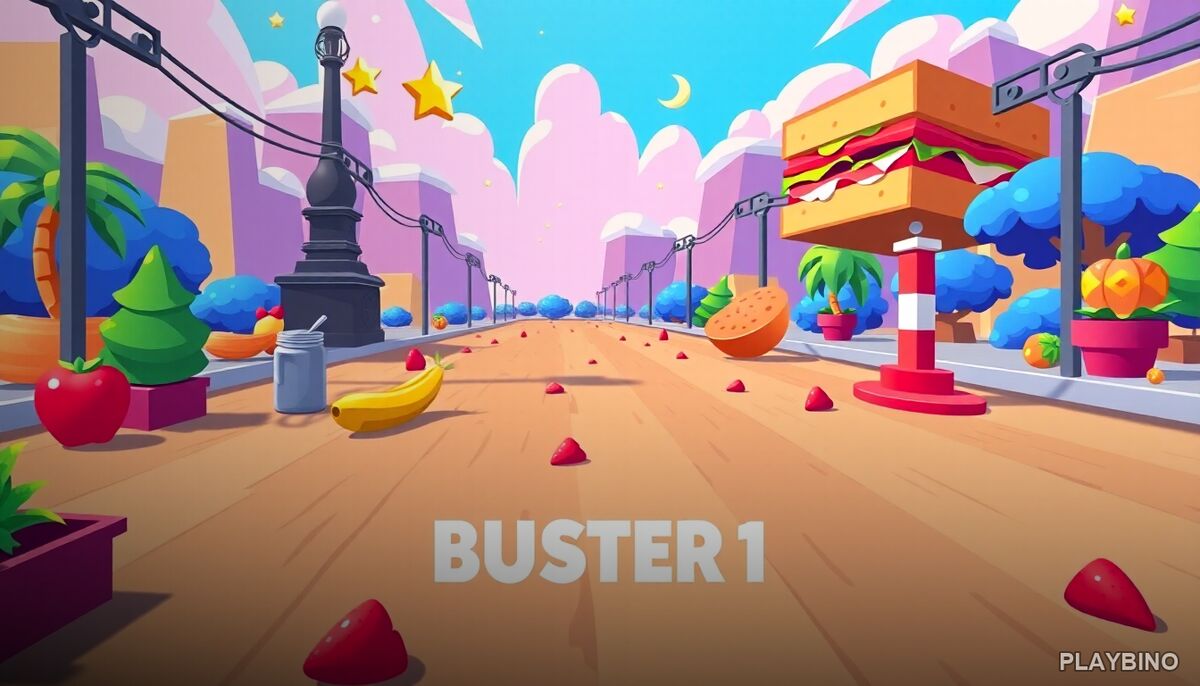
What Kind of Game Is This?
Sandwich Runner 2 blends endless runner momentum with a cooking twist that actually affects the outcome. You're not just sprinting to the finish — every item you grab along the way builds or destroys the meal your customer is waiting for. It's an action-skill game where split-second choices matter as much as raw speed. Try the full run and see how quickly things go sideways when a spoiled ingredient slips through.
The Core Loop
Each level sends you down a lane packed with ingredients scattered across the path. Some are clearly worth grabbing — steaks, eggs, fresh seafood — while others are traps. Scorched peppers and spoiled items look tempting in the heat of the moment, especially when you're moving fast and the lane narrows. The game doesn't pause to let you think. You react, you collect, and the dish assembles itself in real time.
What makes this satisfying is that your choices have visible consequences. A well-curated run ends with a happy diner. A sloppy run — even a fast one — produces something inedible. That feedback loop keeps each attempt feeling meaningful rather than random.
Controls and Movement
Steering Through the Ingredient Field
Movement is straightforward: swipe or tap to shift lanes and collect or avoid items as they appear. The controls are responsive, which matters because the game's difficulty comes from ingredient density, not from awkward mechanics. As levels advance, the placement of good and bad items becomes less predictable. You'll find quality food tucked behind spoiled clusters, forcing deliberate routing rather than straight-line dashing.
Timing Over Speed
Rushing through a level rarely pays off. The smarter approach is reading a few steps ahead, identifying the clean ingredients, and committing to a path early. Hesitation at a fork usually means grabbing something you didn't want. The game rewards players who develop a rhythm rather than those who react purely on instinct.
What Gets Harder as You Progress
- Ingredient layouts become denser and harder to parse quickly
- More spoiled and hazardous items appear alongside the good ones
- The gap between a great dish and a ruined one gets narrower
- Speed increases, compressing the time available to make lane decisions
The escalation feels fair. Early levels teach you what each ingredient looks like and how the lane system works. Later levels assume you've internalized that knowledge and start testing whether you can apply it under pressure.
Who This Game Suits
If you enjoy endless runners but find pure distance-based games repetitive, the cooking outcome mechanic here adds a layer of purpose. Every run has a goal beyond just surviving longer. You're building something, and that small narrative hook — deliver a good meal — gives the action context. Players who like skill-based arcade games with a light simulation angle tend to get the most out of it.
Mask Evolution 3D takes a completely different approach to the runner format — that browser experience is worth a look if you enjoy games where collecting and transforming objects drives the progression.
Why the Cooking Angle Works
A lot of endless runners measure success purely by distance or score. Sandwich Runner 2 ties success to quality, which changes how you think about each run. A long run full of bad ingredients is a failure. A shorter, cleaner run can be a win. That inversion of the usual endless runner logic is what makes this one stand out on PlayBino among similar action games. The culinary theme isn't just cosmetic — it's the actual scoring system in disguise.
"