Scary Night: Shooting Mechanics, Ammo Strategy, and Survival Tips
What You're Up Against
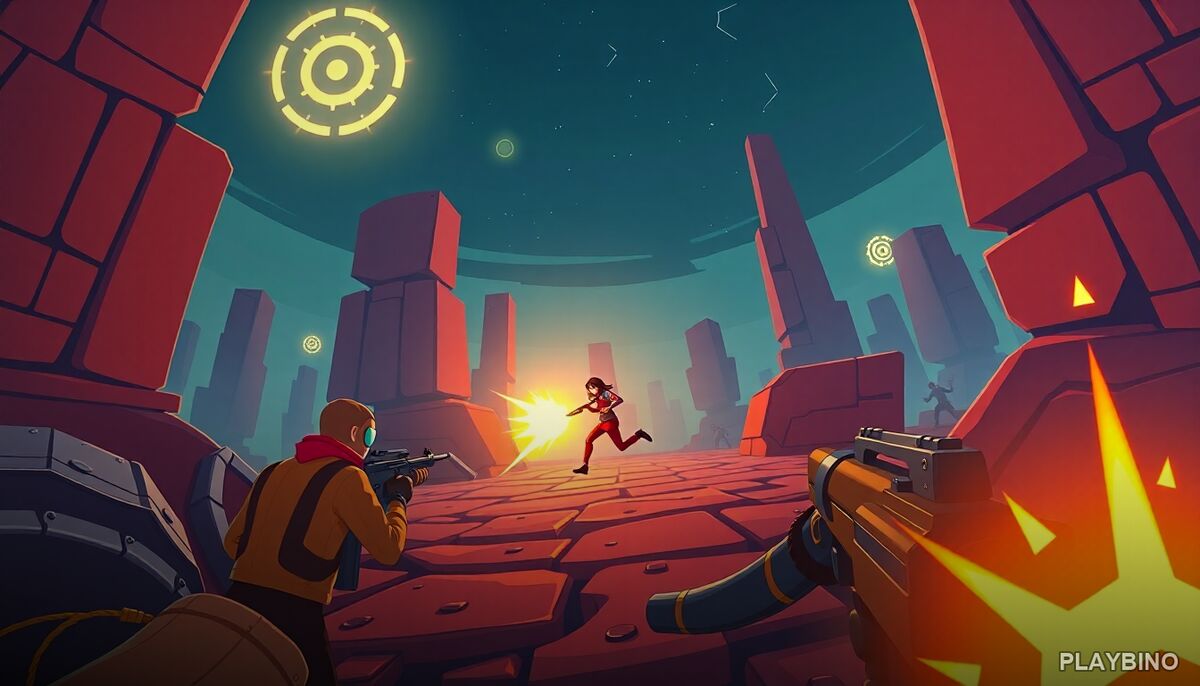
Eerie figures emerge from the shadows without warning. They linger for only a moment before disappearing back into the dark, and if your aim is off or your timing is late, they're gone. Scary Night builds its entire tension around that narrow window — the brief instant between a target appearing and vanishing. Every round, that window gets shorter and the figures move less predictably.
The atmosphere does real work here. The dark visual design keeps your eyes sharp and your nerves slightly on edge, which is exactly the point. This isn't a relaxed shooter. It's a skill-based action game that punishes hesitation and rewards players who can stay composed under pressure. Try the full challenge and see how long your accuracy holds before the pace overwhelms you.
Ammo Management Is the Core Mechanic
Most shooting games let you fire freely. Scary Night doesn't. Limited ammunition forces a layer of decision-making onto every encounter. You can't spray bullets hoping something connects — each shot has to count, and knowing when to reload matters as much as knowing where to aim.
When to Reload
Reloading at the wrong moment is one of the most common ways players lose valuable targets. If you reload while a figure is still visible, you miss the shot. If you wait too long and run dry mid-wave, several targets can slip away at once. The best approach is to reload during natural lulls — brief gaps between appearances — rather than reacting to an empty clip in the middle of action.
Balancing Aggression and Conservation
Early rounds tempt players into firing quickly at every target. That habit becomes expensive as waves intensify. Developing a sense of which targets are worth a shot and which are moving too erratically to reliably hit is a skill that builds over multiple runs. Sometimes letting one difficult target go to preserve ammo for three easier ones is the smarter play.
How Target Behavior Changes Over Time
The pacing in Scary Night is deliberate. Early targets move slowly and appear in predictable positions, giving new players time to calibrate their aim. As rounds progress, figures begin appearing from unexpected angles, moving faster, and spending less time in view. The game doesn't announce these changes — you notice them when a shot that worked perfectly two rounds ago suddenly misses.
This escalation is what makes the game replayable. Each run feels like a pressure test, and the point where your composure breaks tends to shift slightly further with practice.
Accuracy Under Pressure
Shooting games often reward speed above everything else. Scary Night rewards accuracy first. Firing quickly at a target you haven't properly tracked wastes a bullet and resets your mental focus. The players who score highest tend to be the ones who take a fraction of a second longer to confirm their aim before firing — even when the atmosphere is pushing them to react faster.
- Track the target's movement before committing to a shot
- Prioritize targets that appear in familiar positions
- Don't panic-fire when multiple figures appear simultaneously
- Use reload gaps to reset your focus, not just your ammo count
The Action and Skill Loop
Scary Night sits at the intersection of action and skill-based arcade gameplay. It's not a story-driven experience or a progression system with unlocks. The loop is simple: survive the wave, maintain accuracy, manage ammo, repeat. That simplicity is a strength. There's no friction between attempts, which makes it easy to run one more round after a bad performance.
Players who enjoy twitchy, reaction-based shooters with a dark aesthetic will find a lot to work with here. The Squid Sprunki Mingle Game 2 offers a different kind of arcade challenge if you want to switch up the genre between sessions.
Who This Game Suits
Scary Night works best for players who enjoy short, high-intensity sessions rather than long grinding runs. A single round takes only a few minutes, but the mental effort of maintaining precision aim while the atmosphere builds pressure makes it feel more demanding than its length suggests. If you've played browser shooting games on PlayBino before and want something that emphasizes restraint over rapid fire, this one has a distinct mechanical identity worth exploring.