School Fun Puzzle: Jigsaw Fun for Young Learners
What Kind of Game Is This?
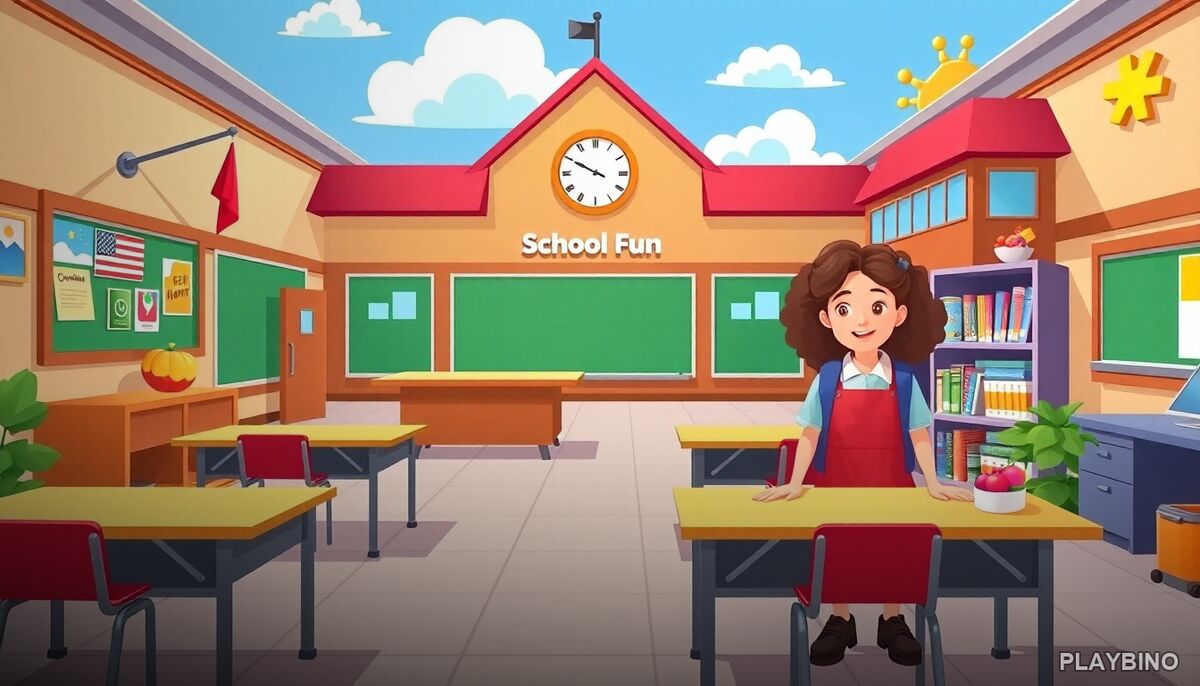
School Fun Puzzle is a single-player jigsaw experience built around familiar school-day imagery. Classrooms, playgrounds, teachers, and friends all appear across a collection of cheerful scenes that younger players will immediately recognize. The goal is straightforward: scattered puzzle pieces need to be dragged and dropped into their correct positions until the full picture snaps into place.
The game keeps its interface clean and uncluttered, which means even very young players can jump in without needing instructions. There are no timers counting down, no penalties for wrong placements, and no pressure to rush. this browser puzzle lets kids move at their own pace, which makes it genuinely comfortable for early learners.
How the Puzzle Mechanics Work
Each level presents a scrambled set of pieces spread across the screen. Players pick up individual pieces and move them toward the image area, trying to match shapes, colors, and visual context. When a piece lands in the right spot, it locks in place, giving a small but clear confirmation that the choice was correct.
Piece Recognition
Younger players often start by matching colors and large shapes rather than reading the full image. A bright yellow school bus, a green chalkboard, or a red backpack all act as visual anchors that make piece identification more intuitive. The colorful art style actively helps here — each scene is drawn with enough contrast and detail that pieces feel distinct rather than confusingly similar.
Spatial Thinking in Practice
Rotating or flipping pieces is not part of the mechanic, which keeps the challenge accessible. The real mental work comes from visualizing where a fragment fits within the larger image — a skill that builds gradually across multiple puzzles. Kids naturally start to scan the full picture before placing pieces rather than guessing randomly, which is a real cognitive step forward.
The School Theme and Why It Connects
The choice to center every puzzle around school life is deliberate and effective. Children playing this game are often the same age as the characters depicted, which makes the imagery feel personal rather than abstract. Recognizing a scene from their own daily routine — a classroom desk, a lunch tray, a group of friends on a field — adds a layer of engagement that generic puzzle themes rarely achieve.
This familiarity also reduces frustration. When a child already knows what the finished image should look like, they have a mental reference point that guides their decisions. That context makes the puzzle feel solvable rather than overwhelming.
What Skills Get a Workout
- Fine motor control — dragging and placing small pieces builds hand precision.
- Spatial reasoning — matching shapes and orientations within a larger image.
- Visual attention — scanning pieces and comparing them to the target scene.
- Patience and persistence — working through a puzzle without giving up when pieces don't immediately fit.
None of this feels like structured learning while playing. The experience reads as play first, which is exactly what keeps younger audiences engaged long enough for the skills to develop naturally.
Similar Puzzle Fun to Explore
Kids who enjoy scene-based puzzles often respond well to other games built around bright visuals and simple interaction. Kids: Farm Fun follows a comparable approach — another child-friendly game in the same vein — and is worth exploring once a few school puzzles have been completed.
Who This Game Suits Best
School Fun Puzzle works best for children roughly between the ages of three and seven, though the upper end depends on the individual. Kids who are just starting to develop mouse or touchscreen control will find the drag-and-drop mechanic a natural fit. Parents looking for a calm, screen-time activity that doesn't involve flashing animations or loud sound effects will appreciate the relaxed tone.
Available on PlayBino without any downloads or sign-ups, it's the kind of game that can be started in seconds and revisited across multiple short sessions. Each completed puzzle delivers a small, genuine sense of accomplishment — the kind that makes a child want to start the next one immediately.