Set The Box: Physics Stacking Puzzle Guide
What You're Actually Doing
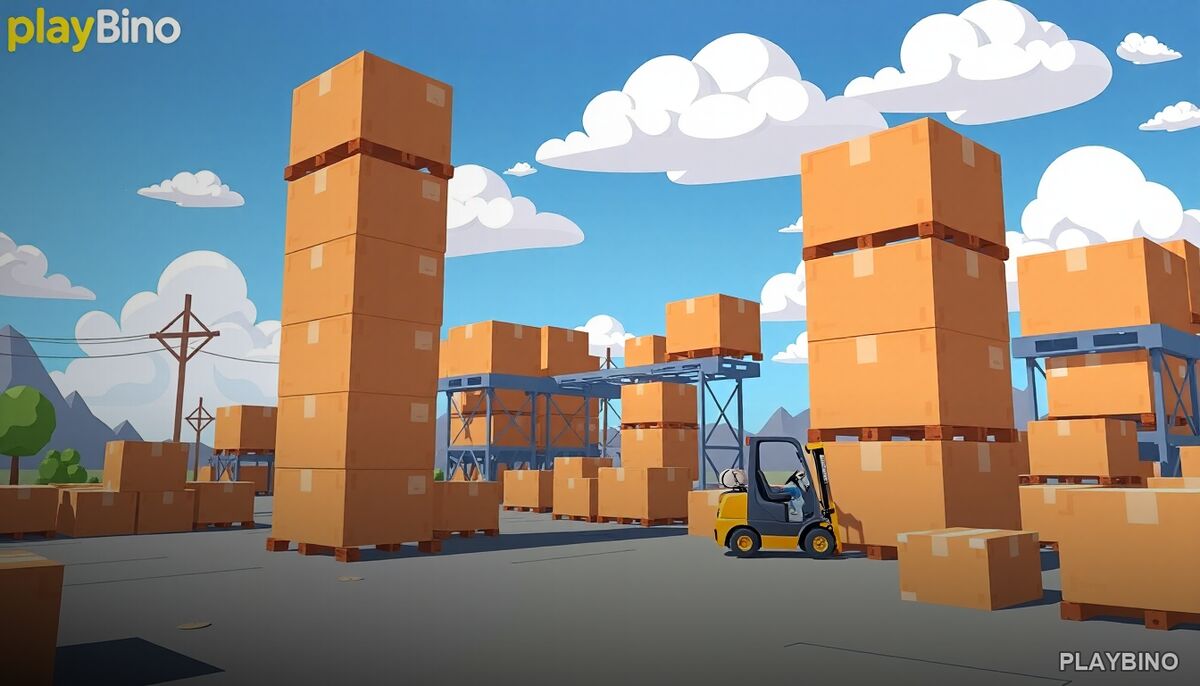
Each round drops boxes from above, and your job is to place them with enough precision that the tower stays upright. Sounds manageable at first. But the physics engine underneath every placement means that even a box landing two pixels off-center creates a lean, and that lean compounds with every piece that follows. This stacking puzzle on PlayBino turns a simple concept into something that demands real concentration.
How the Physics Feel
The game doesn't fake the weight. Boxes shift, tilt, and settle based on where they land relative to the stack beneath them. A wide base forgives small errors early on, but as the tower grows taller, the margin for error shrinks fast. A placement that would have been fine at level three becomes catastrophic at level eight.
Timing the Drop
Boxes don't fall at a fixed rhythm you can memorize. You're watching lateral movement, judging the moment to release, and accounting for how the current top of the stack is already sitting. The timing window feels fair, but it never feels automatic. Every drop requires an active decision.
Reading the Lean
One of the more satisfying skills to develop is learning to read a slight tilt before it becomes a collapse. If the top box is leaning left, the next placement needs to compensate slightly right. This back-and-forth correction is where the puzzle logic lives, and it's what separates a tower that reaches ten boxes from one that falls at five.
Difficulty Curve
Early stages act as a soft introduction. The boxes are manageable, the tower stays short, and the physics feel forgiving. That changes gradually rather than suddenly, which makes the difficulty feel earned. By the time the game is genuinely challenging, you've already internalized enough of the mechanics to understand why you're failing, which keeps frustration from turning into abandonment.
What Kind of Player Fits This Game
If you enjoy single-player puzzle games that reward patience over speed, this sits comfortably in that space. It's not a reflex game in the traditional sense. The skill here is observational: watching, adjusting, and building an internal model of how the stack will behave. Players who like incremental mastery and clear cause-and-effect mechanics tend to find it engaging.
- Physics-driven box placement with realistic weight behavior
- Increasing difficulty as tower height grows
- Single-player puzzle structure with no time pressure
- Each failed attempt teaches something specific about balance
- Spatial awareness and timing both matter equally
Balance as a Recurring Theme
Stacking games share a design philosophy with balance-focused titles. If the idea of managing structural stability appeals to you, another browser game built around balance mechanics worth exploring is StickMan Cartoon Balance, which approaches the same core tension from a different angle.
Strategy That Develops Over Time
There's no single trick that makes the game easier. What develops instead is a feel for weight distribution, an instinct for when a tower is recoverable versus when it's already lost. Experienced players start thinking two or three boxes ahead, choosing placements that set up a stable platform for the next drop rather than just surviving the current one. That forward-thinking mindset is what the game is quietly training you toward from the first box you place.
"