Skibidi Toilet Monster Fight: Tactical Combat with a Bizarre Twist
What Kind of Game Is This?
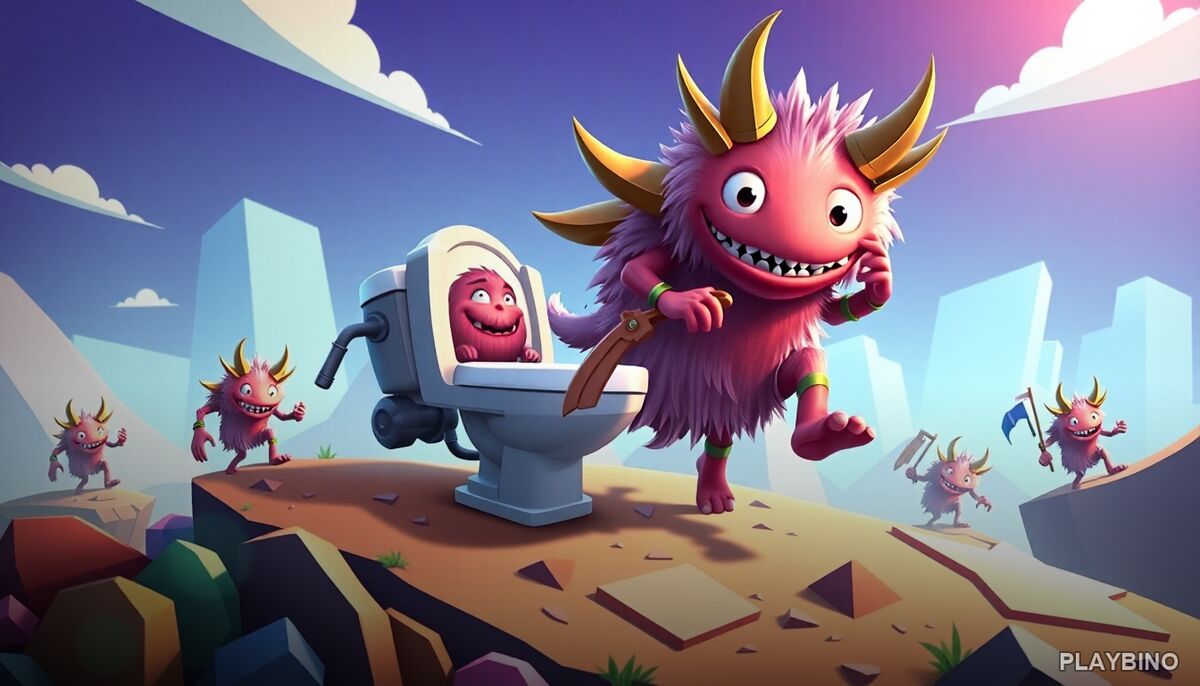
On the surface, Skibidi Toilet Monster Fight looks like pure chaos — toilet creatures, absurd enemies, and a battlefield that makes no logical sense. But underneath that silly presentation is a strategy-action game that actually demands attention. You drag and position monsters across the arena, time your deployments carefully, and adapt your approach as each wave escalates. The combination of real-time pressure and tactical placement gives it a rhythm that keeps pulling you back.
Drag, Deploy, and Dominate
The core mechanic is drag-and-drop combat. You pick a monster from your roster and place it on the battlefield, choosing position and timing based on the incoming threat. Dropping a unit too early or in the wrong lane can leave your formation exposed. Getting it right feels satisfying in a way that goes beyond the game's goofy aesthetic. Try the full challenge to see how quickly the early stages shift from manageable to genuinely demanding.
Reading Enemy Patterns
Each wave has a rhythm. Some enemies rush straight through the center, others fan out across multiple lanes. Learning to read those movement patterns before committing your roster is what separates a clean win from a scrambled last-second recovery. The game doesn't hand you this knowledge — you build it through repetition and failed runs.
Positioning Over Firepower
Raw monster strength matters less than where you place them. A well-positioned unit with moderate stats will outperform a powerful one dropped in the wrong spot. This is the core strategic tension the game builds on, and it makes every deployment decision feel meaningful rather than automatic.
Monster Variants and Progression
As you push through stages, new monster variants unlock. Each one brings a distinct ability — some deal area damage, others slow enemies, and a few hit hard in a single focused strike. The unlocks change how you think about your roster. A combination that worked well in earlier stages might need to be rebuilt entirely when tougher opponents start appearing. Experimenting with different unit combinations becomes part of the fun rather than a chore.
- Area-effect monsters for crowd control against dense waves
- High-damage single-target units for armored or fast enemies
- Support-style variants that slow or disrupt enemy movement
- Unlockable combinations that reward creative deployment
Difficulty Curve and Stage Design
The early stages work as a tutorial without ever calling themselves one. You learn the drag mechanics, get a feel for enemy timing, and build confidence before the game starts pushing back. By the mid-stages, the toilet arena introduces faster enemies, split-lane pressure, and fewer recovery windows. The difficulty ramps in a way that feels earned rather than arbitrary, which keeps the experience from becoming frustrating.
Dinosaur Monster Fight takes a comparable approach to monster-based combat — that monster strategy experience is worth exploring if this style of tactical deployment appeals to you.
Who Plays This and Why It Works
The absurd theme filters out players looking for something serious, but that's part of the appeal. The people who stick with it tend to enjoy action-strategy games where quick decisions and spatial awareness matter more than reflexes alone. PlayBino hosts a range of browser titles in this space, and Skibidi Toilet Monster Fight stands out because it commits fully to its ridiculous concept while delivering mechanics that hold up under repeated play. The blend of monster variety, escalating stages, and drag-and-drop combat creates something that's genuinely hard to put down once the difficulty starts climbing.
"