Skibidi Toilet Spot the Difference: Puzzle Guide and Tips
What This Game Actually Is
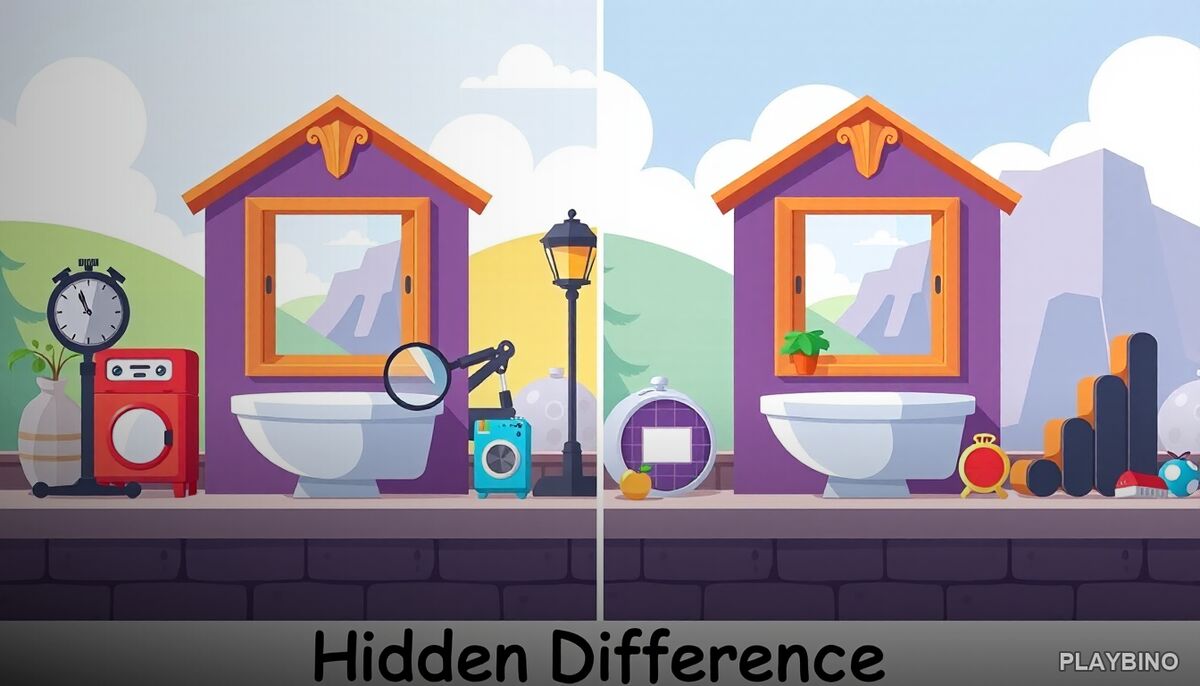
Two side-by-side images. Five hidden differences. A visual world built entirely around absurd, chaotic energy. Skibidi Toilet Spot the Difference takes the classic spot-the-difference format and wraps it in the bizarre aesthetic of the Skibidi universe, giving even a familiar puzzle structure a surprisingly fresh feel. The scenes are detailed, slightly unhinged, and packed with visual noise — exactly the kind of environment where small changes hide well.
The Core Mechanic
The gameplay loop is straightforward: two nearly identical images appear on screen, and your job is to identify every difference between them. Each level contains exactly five changes. Some are large enough to catch in seconds. Others require you to scan slowly, comparing edges, colors, and object positions with real patience.
The puzzle and memory elements work together here. You're not just looking — you're building a mental map of each image, holding details in short-term memory while your eyes move across the scene. That mental load is light but real, and it's what keeps the format engaging beyond a single glance.
What Changes Look Like
Differences aren't random. They tend to fall into a few consistent categories:
- Missing objects or details that appear in one image but not the other
- Color shifts — a changed hue on clothing, a background element, or a character feature
- Repositioned items that have moved slightly within the frame
- Added elements that weren't in the original scene
- Size or shape changes on specific visual details
Timing and Penalties
Clicking on the wrong area counts as a miss. Accumulate too many incorrect taps and the round becomes more difficult to complete cleanly. This makes precision more important than speed — rushing through a scene and guessing tends to cost more than slowing down and being deliberate.
How the Skibidi Theme Shapes the Experience
The visual style does real work here. The Skibidi universe is inherently cluttered and strange, which means scenes are filled with unusual characters, distorted geometry, and unpredictable color palettes. That chaos is actually a feature in a spot-the-difference context — it creates natural camouflage for subtle changes and keeps the visual experience lively from one stage to the next.
Players already familiar with the source material will recognize characters and settings, which adds a layer of engagement beyond pure puzzle-solving. But even without that context, the artwork is distinctive enough to stay interesting.
Scanning Strategy
Experienced players of this genre tend to approach each level the same way: start at one corner and move systematically across the image rather than jumping between obvious focal points. The obvious differences get found quickly regardless of method. The hard ones — usually small color shifts or missing background details — require a structured scan.
Splitting the image into horizontal thirds and working through each section before moving on reduces the chance of missing something in a busy area of the scene. Once you've found three or four differences, resist the urge to rush the last one. The final difference in each level is often the most deliberately hidden.
Who This Format Suits
The game works well as a short break activity — a single level takes anywhere from one to several minutes depending on difficulty. There's no time pressure forcing rushed decisions, which makes the experience feel calm rather than stressful. The memory and observation demands are real but never overwhelming.
Players who enjoy visual puzzles, casual brain games, or anything that rewards careful attention will find the format satisfying. The Thanksgiving Spot The Differences game on PlayBino follows a very similar structure with a different visual theme — that one is worth a look if seasonal puzzle scenes appeal to you.
Why the Simple Format Holds Up
No timers counting down. No complex mechanics layered on top of each other. Just two images and your ability to notice what changed. That simplicity is the game's strongest quality. The format has been around for decades because it works — and pairing it with an unconventional visual theme gives it enough personality to stand apart from generic versions of the same concept.