Skibidi ZigZag Snow Ski: Endless Slope Survival on One Tap
What Kind of Game Is This?
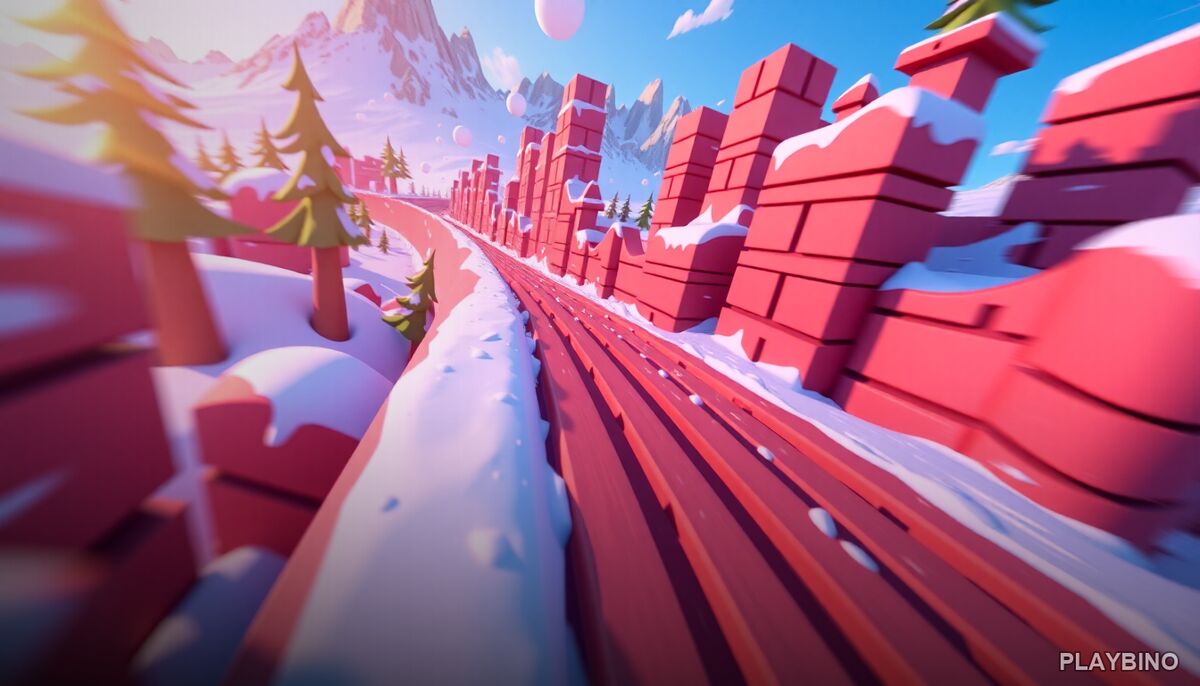
Skibidi ZigZag Snow Ski drops you onto an endless snowy mountain and asks one simple question: how far can you go before a single mistimed tap sends you into the powder? Built around the endless runner format, it strips the skiing concept down to its core — momentum, rhythm, and split-second direction shifts. There are no menus to navigate mid-run, no complex loadouts. Just the slope, your reflexes, and a zigzag trail that keeps narrowing the faster you move. Try the full run and see how quickly the mountain humbles you.
The Zigzag Mechanic Explained
The central mechanic is deceptively straightforward. Each tap shifts your skier's direction — left or right — as they carve downhill. The trail curves and bends, so you need to match the rhythm of the slope rather than just tap randomly. Tap too early and you overshoot the path. Tap too late and you clip the edge. The sweet spot is a flowing cadence that feels almost musical once you find it.
Speed and Difficulty Scaling
As your run continues, speed increases naturally. What starts as a manageable pace becomes a blur of white slopes and sharp corners. The game doesn't introduce new mechanics — it simply makes the existing one harder by compressing your reaction window. A turn that gave you half a second of preparation early on might give you a quarter second later. That escalation is what drives the one-more-try loop.
Collecting Items on the Descent
Scattered along the trail are collectible items that add a risk-reward layer to each run. Grabbing them often means cutting closer to the edge or holding a direction slightly longer than feels safe. Ignoring them is the cautious play; chasing them is the exciting one. Over time, most players find themselves taking the risk more often — which is exactly what gets them eliminated.
Controls and Accessibility
One-touch input means the game works on any device without a learning curve for the controls themselves. A single tap is all it takes to change direction. That simplicity is intentional — the challenge lives entirely in timing, not in button complexity. New players can start a run within seconds, and the feedback from each mistake is immediate and clear. You either stayed on the trail or you didn't.
What Makes a Good Run
Surviving longer comes down to reading the slope ahead rather than reacting to where you already are. The trail gives visual cues about upcoming turns — the path narrows or curves slightly before the full bend arrives. Players who learn to anticipate rather than react consistently push further down the mountain. Staying calm when the speed climbs is harder than it sounds, and that mental pressure is a big part of what makes the arcade format work here.
- Tap in rhythm with the slope's natural curve, not in a panic
- Watch the trail two or three beats ahead, not directly under your skier
- Decide early whether to chase collectibles or prioritize survival on a given run
- Accept that speed will eventually outpace your reflexes — the goal is to delay that moment
Who Plays This and Why It Holds Attention
The 1-player arcade structure makes it a natural pick for short sessions. There's no multiplayer pressure, no stamina bar, no waiting. You finish a run, see your distance, and immediately want to beat it. That loop — attempt, fail, retry — is the engine of every good endless runner, and this one executes it cleanly. The snowy visual theme and the Skibidi branding give it a distinct personality without overcomplicating the experience.
Boat Action, another fast-paced arcade challenge on PlayBino, shares a similar rhythm-based tension if you enjoy games where split-second control decisions determine how far you get. Both reward players who stay calm under pressure rather than those who simply tap fastest.
Slope Strategy for Longer Runs
Experienced players develop a mental model of the trail rather than treating each turn as a surprise. The zigzag pattern has a rhythm, and recognizing it early in a run lets you settle into a groove before the speed climbs. When that groove breaks — usually around the point where the pace becomes genuinely uncomfortable — the instinct is to overcorrect, which almost always ends the run. The better response is a single clean tap, trusting the direction change, and resetting your rhythm from there.