Sniper Mission War: Tactical Shooting Guide for Browser Play
What Kind of Game Is This?
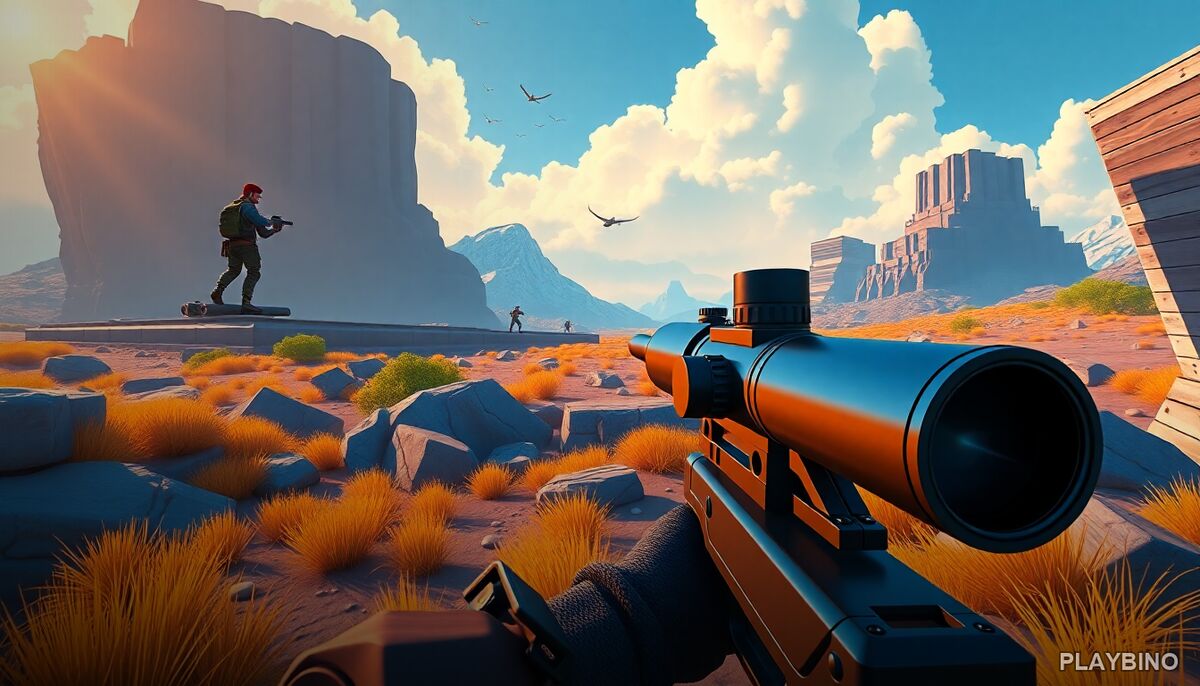
Sniper Mission War is a single-player action shooting game that puts you in the role of a lone operative working through a series of escalating tactical assignments. Unlike run-and-gun shooters, the pace here is deliberate. You observe, wait, and commit to each shot with care. Play it directly in your browser and you'll notice immediately that the game rewards patience over aggression.
The structure is mission-based, with each level presenting a distinct scenario — from neutralizing high-value targets to defending strategic positions. Environments shift across assignments, keeping the visual context fresh and the tactical demands varied.
Core Mechanics and How Shooting Works
The shooting system in Sniper Mission War goes beyond pointing and clicking. Several factors influence whether a shot lands cleanly or misses entirely.
Breathing and Stability
Scope sway is a real factor here. Managing your breathing controls how much the reticle drifts, and timing your shot during a stable window is essential. Rush a trigger pull and you'll miss. Wait for the right moment and the shot connects cleanly.
Distance and Ballistics
Bullet drop and target distance add a layer of calculation to each engagement. Closer targets are more forgiving, but longer-range shots demand that you account for the arc of the projectile. The ballistics feel grounded without becoming overly technical, making the system accessible while still requiring attention.
Enemy Patrol Patterns
Enemies move on patrol routes, and firing at the wrong moment can alert others nearby. Reading movement patterns before committing to a shot is one of the more satisfying parts of the gameplay loop. A clean elimination that avoids detection feels noticeably different from a chaotic one.
Mission Structure and Difficulty Progression
Early missions introduce the core mechanics at a manageable pace. Targets are fewer, patrol patterns are simpler, and environmental interference is minimal. As you progress, the assignments layer in more complexity — tighter windows to fire, multiple targets that need to be taken out in sequence, and environmental factors like wind or limited visibility.
Completing missions cleanly unlocks the next assignment, creating a natural sense of forward momentum. The escalation feels earned rather than arbitrary, and each new scenario introduces a fresh challenge without repeating the same setup.
Vantage Points and Positioning
Choosing where to position yourself is as important as the shot itself. Some missions offer multiple vantage points, each with trade-offs in terms of line of sight, exposure risk, and distance to targets. Moving between positions without being spotted adds a stealth dimension to the action that keeps things tense between shots.
Staying too long in one spot can become a liability as enemy patrols adapt or converge. Knowing when to relocate is a strategic decision that separates clean runs from messy ones.
Who This Game Suits
If you enjoy slow-burn action where a single well-timed shot carries more weight than a spray of bullets, Sniper Mission War delivers that feeling consistently. The 1-player format means the entire experience is built around your decision-making, with no teammates to compensate for mistakes.
Players who like action games with a tactical edge — where observation and timing matter as much as reflexes — will find this format engaging. The similar tension found in another action-focused browser challenge like Impostor Weapon Assasin shows how different execution styles can serve the same appetite for precision-based combat.
Why the Format Works on PlayBino
Browser-based shooting games sometimes struggle to convey weight and consequence, but Sniper Mission War manages it through its mechanics rather than visual spectacle. The combination of ballistics, patrol awareness, and positional strategy gives each mission a sense of stakes. Clean runs feel earned, and failed attempts teach you something specific about what went wrong — whether that was timing, positioning, or target sequencing.
The mission-by-mission format also makes it easy to pick up and play in short sessions, with each assignment functioning as a self-contained challenge that can be completed in a few focused minutes.