SnowBall Adventure: Rolling Puzzles on Icy Slopes
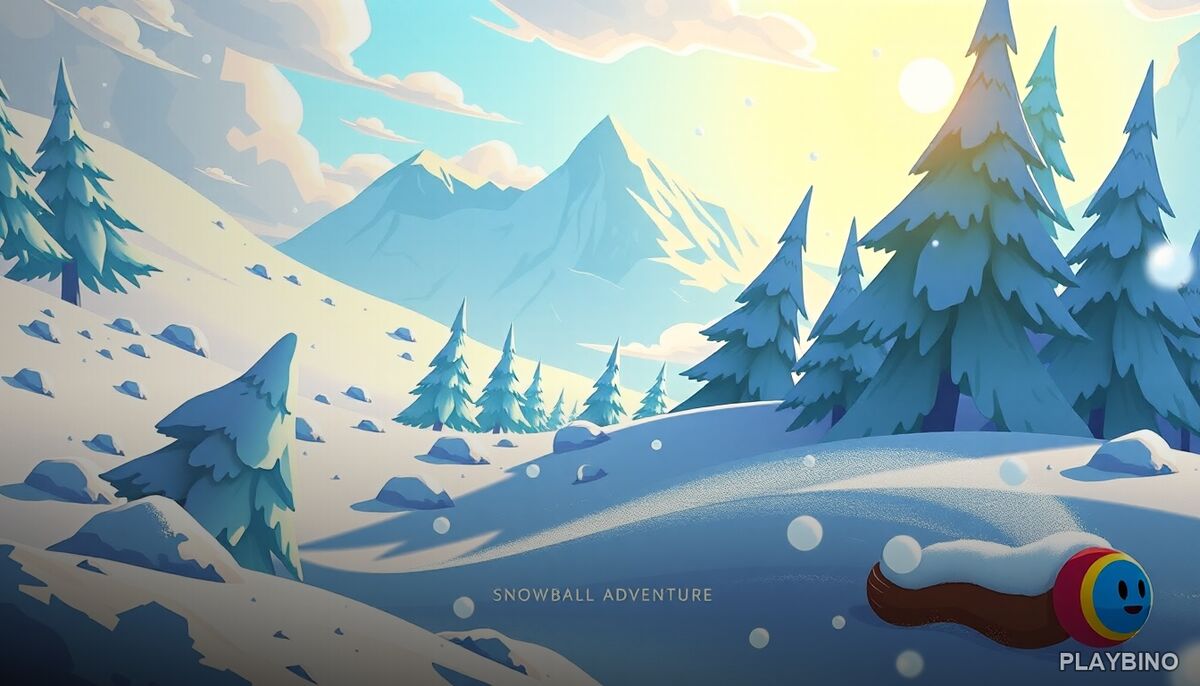
What SnowBall Adventure Is About
Not every puzzle game needs a complex ruleset. Sometimes a single mechanic — done well — is all it takes. SnowBall Adventure builds its entire experience around one idea: a snowball rolling downhill, gathering mass, and carving a path through a frozen landscape. The concept sounds simple, but the execution adds enough friction to keep things genuinely engaging. Play it directly in your browser and the first few stages will show you exactly how much thought went into the level design.
How the Rolling Mechanic Works
The core loop is satisfying in a tactile way. Your snowball starts small at the top of a slope, and as it rolls over snow-covered ground, it picks up mass. A larger ball can clear wider gaps, flatten certain obstacles, and reach new areas of the map. But size is not always an advantage — tight corridors and narrow bridges may require a smaller, more controlled roll.
Momentum and Timing
Momentum is the mechanic that separates casual rolls from precise runs. A small push at the crest of a hill compounds quickly. By the time the ball reaches the bottom, it may be moving faster than you intended. Hitting an obstacle at full speed can break your run, while approaching too slowly might leave you short of a gap. The sweet spot between these two extremes is where the skill element lives.
Terrain and Growth
Not all surfaces contribute equally to snowball growth. Packed snow adds mass efficiently, while icy patches let the ball slide without growing. This distinction matters when planning your route through a stage. Choosing which surface to cross first can determine whether you arrive at a critical jump with enough size to clear it.
Obstacles and Stage Design
Each level introduces new hazards without overwhelming the player. Early stages ease you into the rolling physics with open slopes and forgiving layouts. Further in, the terrain becomes more deliberate — narrow ledges, gaps timed to your speed, and objects that redirect the ball unexpectedly. The puzzle element comes from reading the layout before committing to a direction.
- Icy patches that reduce traction and slow growth
- Gaps requiring precise speed and ball size to clear
- Obstacles that deflect or stop momentum entirely
- Terrain funnels that reward route planning over raw speed
The Skill Curve
SnowBall Adventure sits in a comfortable space between casual and skill-focused. The visual style and light tone suggest something relaxed, and the early stages deliver exactly that. But the difficulty climbs steadily. Stages that initially look straightforward reveal their challenge once you realize that rolling too fast is just as dangerous as rolling too slow. This balance keeps the single-player experience from feeling either too easy or frustratingly hard.
Players who enjoy puzzle and skill hybrids — games where physical logic matters as much as reaction time — will find the progression rewarding. Each cleared stage feels earned rather than handed over.
Strategy Tips for Trickier Stages
Control Your Entry Speed
Before launching down a slope, consider what waits at the bottom. If a narrow corridor follows, a slower start gives you more control on arrival. Let the ball build speed gradually rather than pushing hard from the top.
Plan Your Growth Route
On stages with multiple surface types, prioritize snow-covered paths early to build mass before reaching the sections that require size. Hitting a wide gap with a small ball is one of the most common ways a run ends prematurely.
If you enjoy physics-based browser challenges, another quick skill challenge on PlayBino worth exploring is Hugli Wugli vs Tung Tung Sahur, which takes a very different approach to single-player action.
Visual Style and Playability
The frosty aesthetic is clean and easy on the eyes. Snow-covered slopes, icy blue tones, and a minimal interface keep the focus on the rolling rather than visual clutter. The game loads quickly in a browser, making it easy to pick up between other tasks or during a short break. No installation, no account — just the puzzle in front of you.