Solitaire Match Puzzle: Card Matching Strategy with a Food Theme
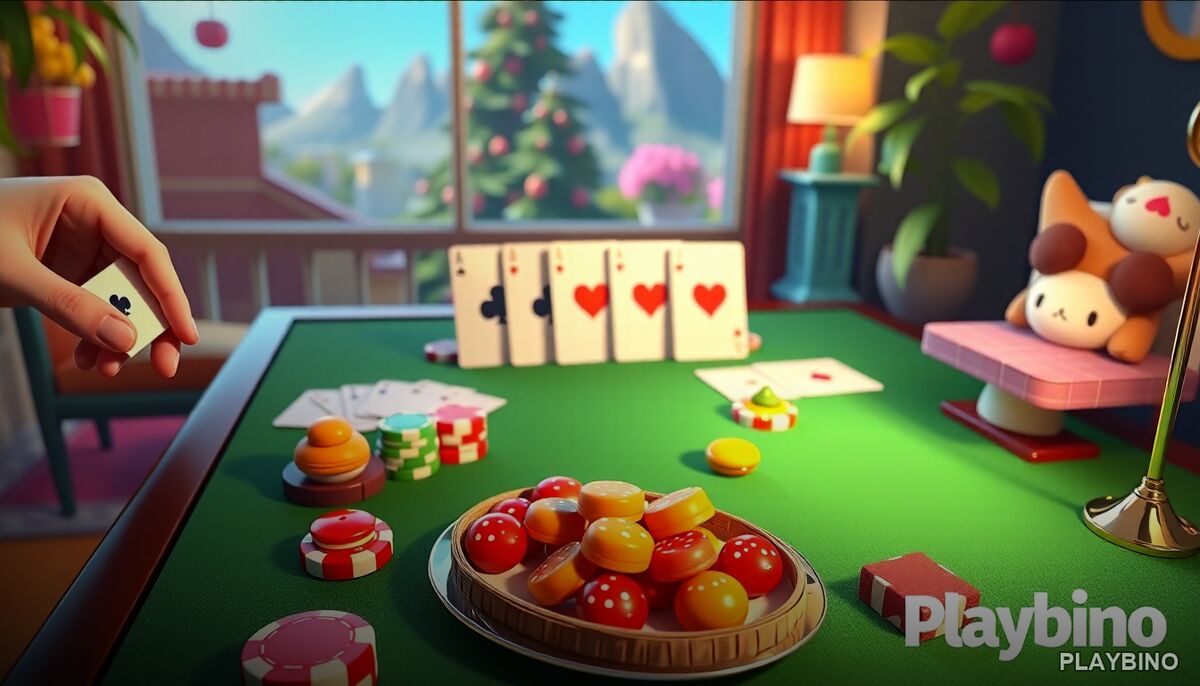
What Kind of Game Is This?
Solitaire Match Puzzle sits at the crossroads of classic solitaire logic and match-3 puzzle thinking. Instead of suits and numbers, the cards here are illustrated with food from around the world — steaming hot pots, grilled meats, custard tarts, and more. The goal is straightforward: find identical food cards and remove them in pairs to clear the board. But the layered stack layout makes that far more demanding than it sounds.
If you enjoy logic puzzles that reward careful observation over speed, this food-themed card challenge delivers a satisfying single-player experience that scales in difficulty as you progress.
How the Stack System Works
The core mechanic revolves around accessibility. Cards are arranged in overlapping stacks, and only the top card of each stack is available for selection at any given moment. Matching two identical food cards removes them both, which can expose new cards underneath and open up fresh possibilities.
Why Blocking Matters
The real tension comes from accidental blocking. If you match cards in the wrong order, you can bury a card you need under layers that have no available match. Planning two or three moves ahead becomes essential, especially in later levels where the arrangements grow more intricate and the margin for error shrinks.
Reading the Board
Before making any move, scan the full layout. Identify which cards appear multiple times and trace which stacks are hiding them. Prioritizing matches that open the most options — rather than the most obvious ones — is what separates a cleared board from a stuck one.
The Food Theme as a Design Choice
The culinary theme does more than look appealing. Because each card depicts a specific dish rendered in clear, colorful detail, distinguishing between card types is intuitive even when the board is crowded. A bowl of ramen reads differently from a plate of dumplings at a glance, which keeps the visual logic clean and reduces frustration during complex layouts.
The variety also keeps sessions from feeling repetitive. Moving from dessert cards in one puzzle to savory dishes in the next gives each level a slightly different visual rhythm, even when the underlying puzzle structure is similar.
Difficulty Progression and Puzzle Logic
Early levels introduce the mechanics gently, with smaller stacks and fewer card types. As difficulty increases, the board fills with more layers, more card varieties, and tighter arrangements that demand longer planning chains. The jump in complexity feels gradual rather than sudden, which makes it easier to build intuition before the harder puzzles arrive.
- Accessible entry levels for new players
- Progressive layouts that add depth without changing the rules
- Pattern recognition becomes more important at higher difficulties
- No time pressure — decisions are made at your own pace
Strategy Tips Worth Knowing
A few habits make a consistent difference across most puzzle configurations:
- Clear stacks from the top down when possible to expose buried cards faster
- Avoid matching a card type if only one of its pair is currently visible — wait until both are accessible
- Look for chain reactions: a match that exposes another match that exposes another is far more valuable than an isolated removal
- If the board looks stuck, re-examine stacks you dismissed early — a newly exposed card may have changed the options
Similar Puzzle Games to Explore
Players drawn to colorful, logic-driven puzzle formats often enjoy block-clearing and cube-matching games as well. If the matching mechanic appeals to you, another match-based puzzle experience worth exploring is Funny Cubes, which takes a different visual approach to the same satisfying core loop of clearing grouped pieces from a board. Both games are available on PlayBino and suit the same kind of patient, observational play style that makes this genre rewarding.
"