SpongeBob Hidden Burger: Find Every Patty Before Time Runs Out
What Kind of Game Is This?
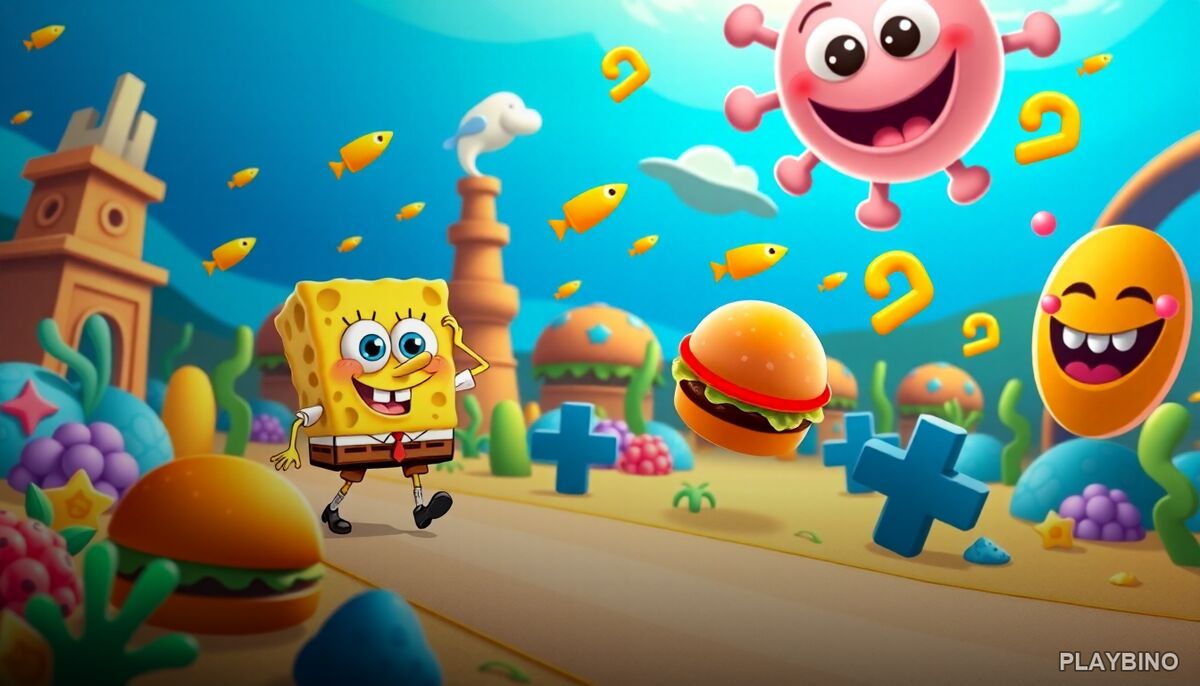
SpongeBob Hidden Burger drops players into the colorful underwater world of Bikini Bottom with one clear objective: find every concealed Krabby Patty before the clock hits zero. It sits firmly in the puzzle and brain category, leaning on memory, visual attention, and quick pattern recognition rather than reflexes or combat. Each stage presents a richly detailed scene packed with familiar locations, characters, and objects — and somewhere inside all that visual noise, burgers are hiding in plain sight.
If you want to jump straight in, the browser version runs directly without any download, making it easy to pick up between other tasks or during a short break.
How the Search Mechanic Works
The core loop is straightforward: scan the scene, tap or click what you think is a hidden burger, and rack up points for each correct find. What makes it genuinely challenging is how well the burgers blend into the background. The art style uses warm, saturated colors throughout, so a patty tucked behind a coral formation or sitting inside a familiar Bikini Bottom prop can be remarkably easy to overlook on the first pass.
Timer Pressure
Every level runs on a countdown. The timer creates a specific kind of tension — you want to be thorough, but you cannot afford to linger too long on any single corner of the screen. Players who rush tend to miss items in the periphery. Players who move too methodically often run out of time before clearing the stage. Finding a middle rhythm is the actual skill the game trains.
Accuracy and Scoring
Tapping the wrong area does not always end a run, but it can cost you time or points depending on the stage. The scoring system rewards both speed and precision, so chasing a high score means avoiding random guesses. Building a mental map of where objects typically hide across different scene types helps considerably in later levels.
Scene Variety and Visual Design
One of the stronger aspects of the game is the range of settings pulled from Bikini Bottom. The Krusty Krab, Sandy's treedome, Squidward's house, and open underwater environments each come with their own visual logic. Backgrounds are dense with props, characters, and decorative details that serve double duty as both atmosphere and camouflage. The more familiar you are with the source material, the faster your eye learns what belongs in a scene and what looks slightly out of place — which is often exactly where a burger is hiding.
Memory as a Core Skill
This is not a pure reaction game. Memory plays a real role, especially across multiple attempts at the same stage. After failing a level once, players often remember the approximate location of two or three items, giving them a meaningful head start on the next try. The game quietly rewards repeated play by letting that accumulated knowledge carry over into faster, more confident runs.
- Burgers blend into background objects and textures rather than floating in open space
- Scene complexity increases as stages progress
- Each correct tap contributes to both score and stage completion
- Timer length adjusts to match the density of hidden items per level
- Recognizing recurring hiding patterns across scenes speeds up later stages
Who Plays This and Why
The game works well for anyone who enjoys observation-based puzzles with a light, cheerful tone. The SpongeBob setting keeps the atmosphere fun rather than stressful, even when a timer is running down. Younger players enjoy the familiar characters, while older players who grew up with the show get an extra layer of visual recognition that actually helps with gameplay. It is a solid casual brain exercise without demanding long sessions.
Players who like hidden object challenges across different visual styles might also find Marinet Winter Vacation Hot and Cold interesting — that search-based browser experience takes a different seasonal approach to the same core idea of finding what does not immediately stand out.
Practical Tips for Clearing Stages Faster
Start each level by scanning the edges and corners of the scene first. Designers often place hidden items in areas where players naturally look last. After a quick perimeter check, move inward toward the center. Pay attention to objects that look slightly misaligned or oddly proportioned — those visual inconsistencies are usually intentional. On PlayBino, the game loads quickly enough that replaying a tricky stage multiple times in a row is not a frustrating experience, which matters when you are trying to memorize item positions across a dense scene.