Starpoly: Browser Property Trading with Real Strategic Depth
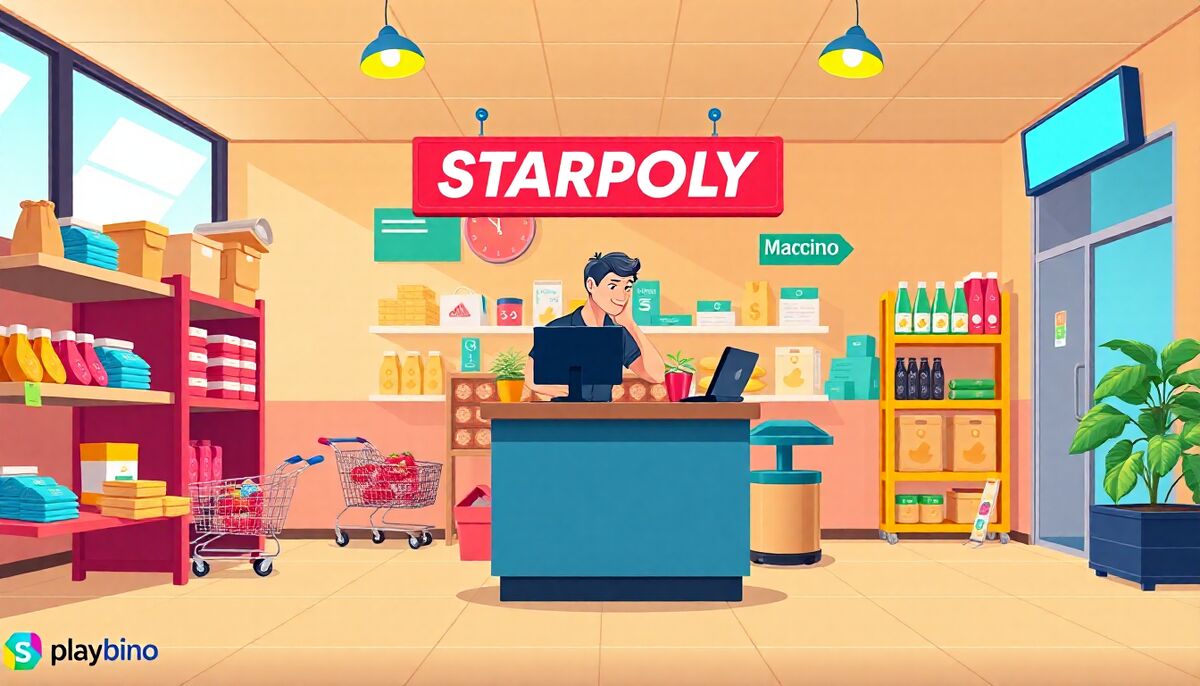
What Starpoly Actually Is
Property trading games have a long history, but most browser versions strip away the complexity that makes them interesting. Starpoly takes a different approach. It keeps the core loop of acquiring real estate, developing properties, and managing finances while layering in mechanics that create genuine strategic tension. The result is a multiplayer simulation that rewards patience, adaptability, and sharp decision-making rather than luck alone.
You can play this browser property simulation on PlayBino against AI opponents or bring in friends for competitive matches. Either way, the game moves at a pace that forces you to think several turns ahead.
Core Gameplay Loop
Each turn presents decisions that compound over time. Acquiring properties is straightforward at first, but development costs money, and money is always under pressure from opponents landing on your assets, market fluctuations, and your own expansion ambitions. The financial management layer is not decorative — it directly shapes what moves are available to you.
Market Fluctuations
Property values do not stay fixed. Prices shift based on game events, opponent actions, and the broader board state. A property that looks overpriced early in a match can become a critical asset by mid-game. Recognizing these windows and acting on them before opponents do is one of the core brain challenges the game presents.
Loans and Risk
Loans offer a way to accelerate development when cash is tight, but they carry real consequences. Borrowing too aggressively leaves you exposed when opponents trigger costly events or when the market turns. Managing debt alongside expansion is one of the more demanding aspects of longer matches, and it separates careful players from reckless ones.
The Starbridge System
This is the mechanic that most distinguishes Starpoly from standard property trading games. The Starbridge system introduces tactical options during pivotal moments in a match — additional moves, special interactions, or positioning advantages that standard play does not provide. It adds a layer of simulation depth without overwhelming the core loop, and it creates situations where a player who appears to be losing can engineer a meaningful comeback if they use Starbridge opportunities at the right time.
Trading, Negotiation, and Opponent Dynamics
Multiplayer matches live or die on negotiation. Brokering deals to acquire specific properties, offloading liabilities, or forming temporary arrangements with other players are all viable strategies. The game does not reduce this to simple button presses — the negotiation system has enough flexibility that you can construct creative deals rather than just accepting or rejecting flat offers.
AI opponents adjust their behavior based on the board state, which keeps solo matches from feeling mechanical. They will compete for the same properties you are targeting and react to your financial position in ways that require you to adjust your approach rather than follow a fixed script.
Lottery Events and Unpredictability
Lottery events inject controlled randomness into otherwise calculated sessions. They can swing momentum, introduce new resources, or create problems that require immediate attention. Rather than feeling arbitrary, these events work as pressure valves that prevent any single strategy from becoming dominant across every match.
If you enjoy board-style strategy games with dice and movement mechanics, the Board Kings Board Dice breakdown covers a comparable multiplayer board experience worth exploring.
Who Will Get the Most From It
Starpoly suits players who enjoy simulation depth, long-form strategy, and competitive multiplayer without requiring real-time reflexes. The brain challenge here comes from planning, reading opponents, and managing compounding financial decisions rather than fast reactions. Matches are not short, but the variety of outcomes — driven by market shifts, Starbridge moments, negotiation results, and lottery events — means repeated sessions feel distinct rather than repetitive.
- Competitive property acquisition and development
- Dynamic market values that shift across turns
- Loan mechanics with genuine financial risk
- Starbridge system for tactical pivots
- Negotiation and trade between players
- Lottery events that disrupt predictable patterns
- AI opponents and multiplayer support