Starving Lion: Rope-Cutting Puzzle Guide
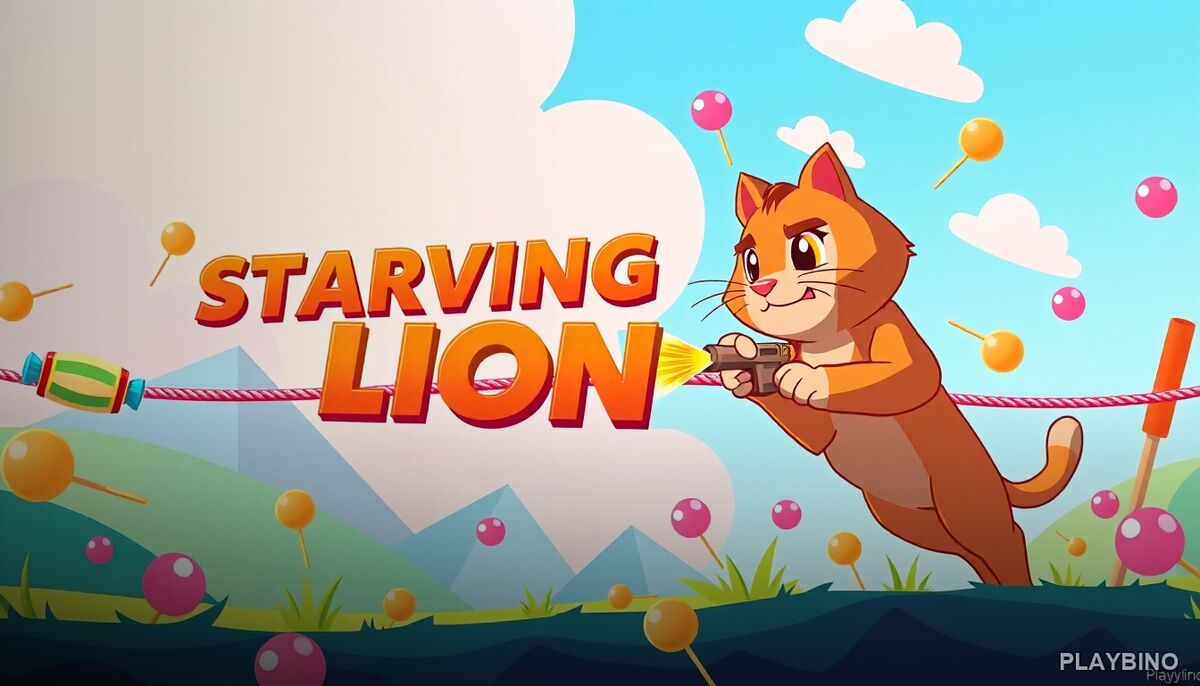
What Kind of Game Is This?
Starving Lion is a single-player logic puzzle built around one clear goal: cut the right ropes in the right order so that food swings and drops directly into a hungry lion's mouth. The concept sounds simple, but the physics engine underneath makes every slice feel consequential. Gravity, momentum, and swing angle all factor into whether the meal lands where it should — or tumbles off into the void. Play it directly in your browser and the first few levels ease you in gently before the real complexity kicks in.
How the Rope-Cutting Mechanic Works
Each stage presents food items suspended from one or more ropes attached to pegs or platforms. Your only action is to tap or click to slice a rope at the right moment. Cut too early and the food swings past the lion. Cut too late and it drops short. The satisfaction comes from reading the arc of a swinging item and timing your cut so gravity carries it cleanly into the waiting jaws.
Physics and Trajectory
The game leans heavily on realistic swing physics. Food doesn't just fall straight down — it follows a pendulum path, and that path changes depending on which rope you cut first. Some levels use multiple ropes in sequence, meaning your second cut depends entirely on the momentum created by the first. Learning to predict that chain reaction is the core skill the game builds over time.
Star Collection
Stars are scattered across each stage, usually positioned just off the direct path to the lion. Collecting them requires more deliberate cutting sequences — sometimes you need to swing the food through a star before redirecting it downward. Missing stars doesn't end the level, but it does limit your score and leaves the puzzle feeling incomplete.
Puzzle Progression and Difficulty
The early stages introduce one rope at a time and keep the geometry straightforward. By the mid-game, levels stack multiple ropes, introduce obstacles, and position stars in spots that conflict with the most obvious cutting path. The game doesn't hand out solutions — it expects you to experiment, fail, and adjust. One wrong slice resets the attempt immediately, which keeps the pacing tight and encourages careful observation before acting.
- Single-rope cuts in early levels build baseline timing instincts
- Multi-rope sequences require planning the full chain before cutting anything
- Star positions often force a longer, less direct route to the lion
- Later stages introduce tighter margins where swing angle matters by a few degrees
Strategy That Actually Helps
The most useful habit is watching the food swing for a full cycle before cutting. Many failed attempts come from cutting on the first pass when the angle isn't right yet. Patience pays off. When stars are involved, map out which rope creates a swing toward the star first, then identify the second cut that redirects the food downward. Working backward from the lion's position — rather than forward from the first rope — tends to produce cleaner solutions.
When to Prioritize Stars
Stars are worth chasing, but not at the cost of repeated failed attempts on a single level. If a star requires a cut sequence you haven't figured out yet, complete the level without it and return later. The game allows replays, and coming back with a clearer understanding of the physics often makes the star route obvious on a second visit.
Who This Game Suits
Starving Lion works well for players who enjoy logic puzzles with a tactile, physics-driven feel rather than abstract grid-based challenges. The one-player format means there's no time pressure from opponents — just the puzzle itself and your ability to read motion. Suger Rush, another browser game with a food-themed twist, offers a different kind of challenge if you want to switch up the genre after a few sessions here.
Replay Value and Stage Depth
Dozens of stages with three-star scoring on each gives the game solid replay depth. Completing a level is one milestone