Stickman Cannon Shooter: Tactical Artillery Defense Guide
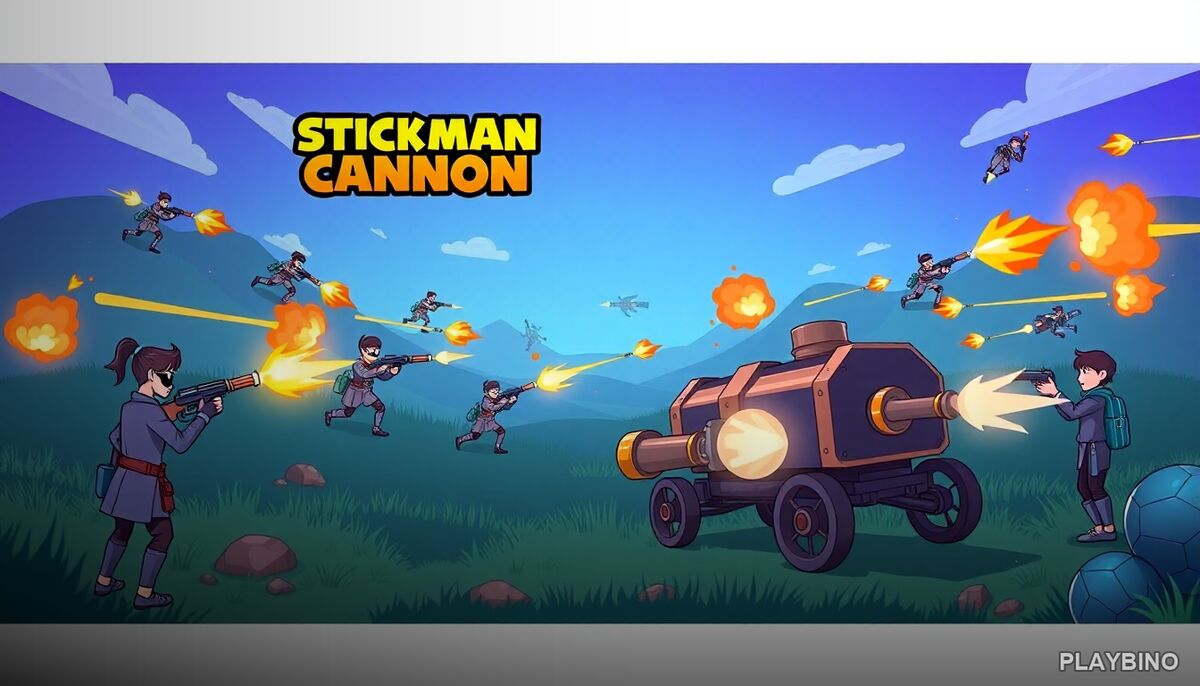
What Kind of Game Is This?
Stickman Cannon Shooter sits at the crossroads of tower defense and artillery action. You command a set of cannons positioned across a battlefield, and your job is to hold the line against advancing waves of stick figure enemies. The minimalist art style strips away visual noise so your focus stays entirely on the tactical layer — angles, timing, and threat priority.
If you enjoy strategy games that reward careful positioning over reflexes alone, the browser edition on PlayBino is worth loading up. The core loop is simple to understand but demands real decision-making as the waves intensify.
Battlefield Positioning and Terrain
Where you place your cannons matters more than how fast you fire. Elevation plays a significant role — a cannon on higher ground covers more of the field and can arc shots over obstacles that would otherwise block flat-angle fire. Low-ground positions are more vulnerable but can cover flanks that elevated cannons miss.
Using Obstacles Strategically
Terrain features create natural chokepoints. Funneling enemies through a narrow path before they spread out gives your cannons a much better shot density. Early rounds are a good time to experiment with coverage zones before the enemy composition becomes too varied to handle with a single formation.
Angle Adjustments
Each shot requires an angle decision. Shallow angles cover ground quickly but may miss clustered groups behind terrain. Steeper arcs drop shots into tighter areas but take longer to land. Reading the enemy movement pattern before committing to an angle is one of the most important habits to build.
Wave Progression and Enemy Variety
The early waves introduce basic stickman infantry that move at a predictable pace. As you push further, the enemy roster expands. Faster units, armored variants, and groups that spread wide across the battlefield all require different responses. A cannon setup that worked well in round three may leave gaps by round seven.
Resource management runs alongside enemy scaling. Ammunition and upgrade currency stay limited, so spending carelessly in easy rounds creates real problems when tougher units arrive. Prioritize upgrades that extend range or increase fire rate only when the current wave pressure justifies the cost.
Combat Flow and Decision Timing
The shooting action in this game has a rhythm to it. Waves don't flood the screen all at once — there's usually a brief window between groups where you can reposition or reload. Using those gaps to reassess your cannon layout rather than firing blindly is what separates players who stall out from those who reach the later stages.
- Track the fastest enemy units first — they reach your base before slower armored types
- Don't spread cannon fire across the entire field simultaneously