StickMan Cartoon Balance: Stack, Wobble, and Survive
What You're Actually Doing
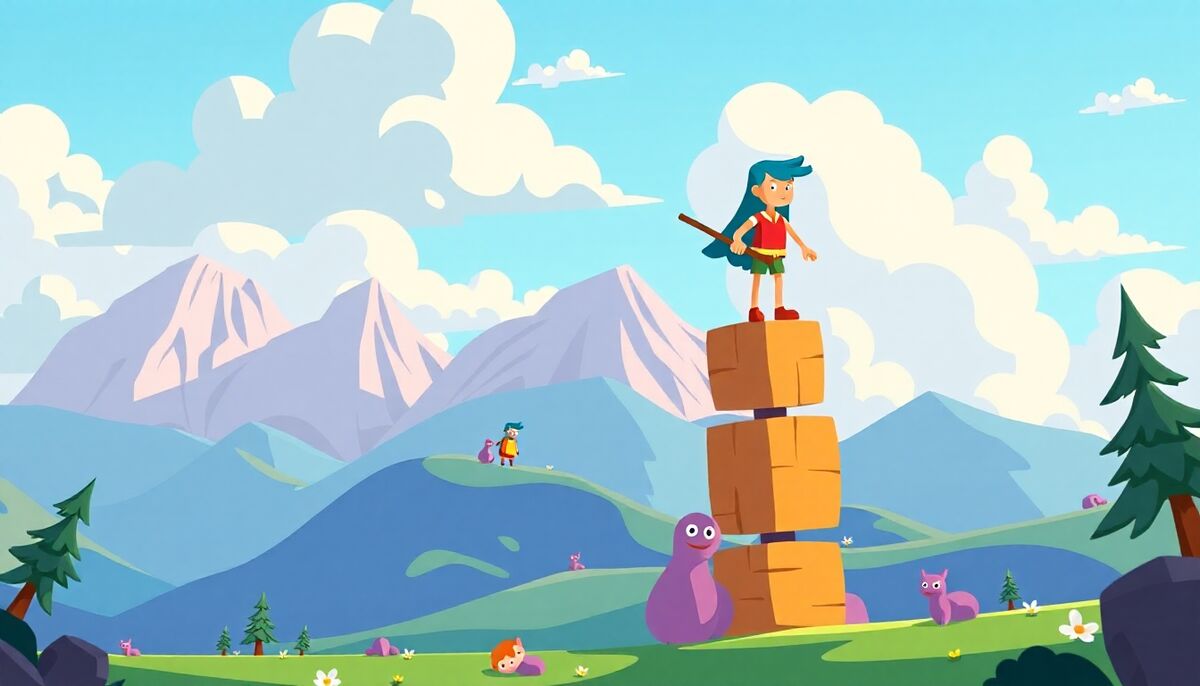
The premise is simple: place cartoon stickman characters one on top of another without letting the structure collapse. But the moment you drop your second or third figure and watch the whole thing sway, you realize the physics engine is doing serious work underneath that cheerful art style. This browser stacking challenge rewards patience and spatial thinking far more than quick reflexes.
Each character has a slightly different shape and weight distribution. Some are wide and stable at the base. Others are lanky and unpredictable once placed higher up. Learning how each figure behaves under gravity is half the puzzle.
How Placement Actually Works
You control where each character lands, but the physics engine decides what happens next. A placement that looks centered can still cause a slow lean that builds into a collapse three moves later. The game punishes overconfidence and rewards deliberate thinking.
Reading the Tower
Before placing each new figure, look at the current lean of the stack. A tower already tilting slightly left needs the next character positioned slightly right of center to compensate. Ignoring this and always aiming for the visual middle is one of the most common mistakes early on.
Character Order Matters
Heavier or wider characters work better lower in the stack. Placing a bulky figure near the top adds instability that compounds with every subsequent placement. When you have a choice, save lighter or narrower characters for the upper layers.
Why the Difficulty Curve Feels Fair
Early levels give you forgiving characters and shorter towers. The physics still apply, but there is enough margin for error that you can experiment freely. As levels progress, the required stack height increases and the character roster introduces shapes that are genuinely awkward to balance. The difficulty does not spike suddenly — it creeps up in a way that keeps you engaged rather than frustrated.
Each failed attempt teaches something concrete. You learn that placing a figure too far to one edge creates a pendulum effect. You learn that speed matters less than angle. The puzzle layer inside the skill game becomes clearer the longer you play.
The Strategy Behind the Skill
StickMan Cartoon Balance sits in an interesting space between pure skill and light strategy. You are not just reacting — you are planning two or three placements ahead, thinking about which figures are coming next and how the current structure can support them.
- Prioritize a stable base before worrying about height
- Compensate for lean gradually rather than overcorrecting in one move
- Pause before each placement instead of dropping figures quickly
- Accept small imperfections early rather than chasing a perfect center
Players who approach it like a puzzle rather than a reaction game tend to reach higher towers consistently.
Visual Style and Feel
The cartoon art keeps the tone light even when a tower collapses spectacularly. Smooth animations make the physics readable — you can see the wobble build before the fall, which gives you just enough warning to feel the tension. The vibrant colors help distinguish characters quickly, which matters when you are scanning the stack under pressure.
If stacking mechanics appeal to you, the Cake Tower challenge on PlayBino explores a similar concept with a different visual theme and its own physics quirks worth exploring.
Who This Game Suits
Anyone who enjoys puzzle games with a tactile, physics-driven feel will find something satisfying here. The one-player format means you set your own pace. There are no timers rushing you into bad decisions, which makes the strategy element genuinely meaningful. If you like games where every small choice has a visible consequence, this stacking puzzle delivers exactly that kind of feedback loop.