Stretch Huggy Monster: Elastic Puzzle Challenge Guide
What Kind of Game Is This?
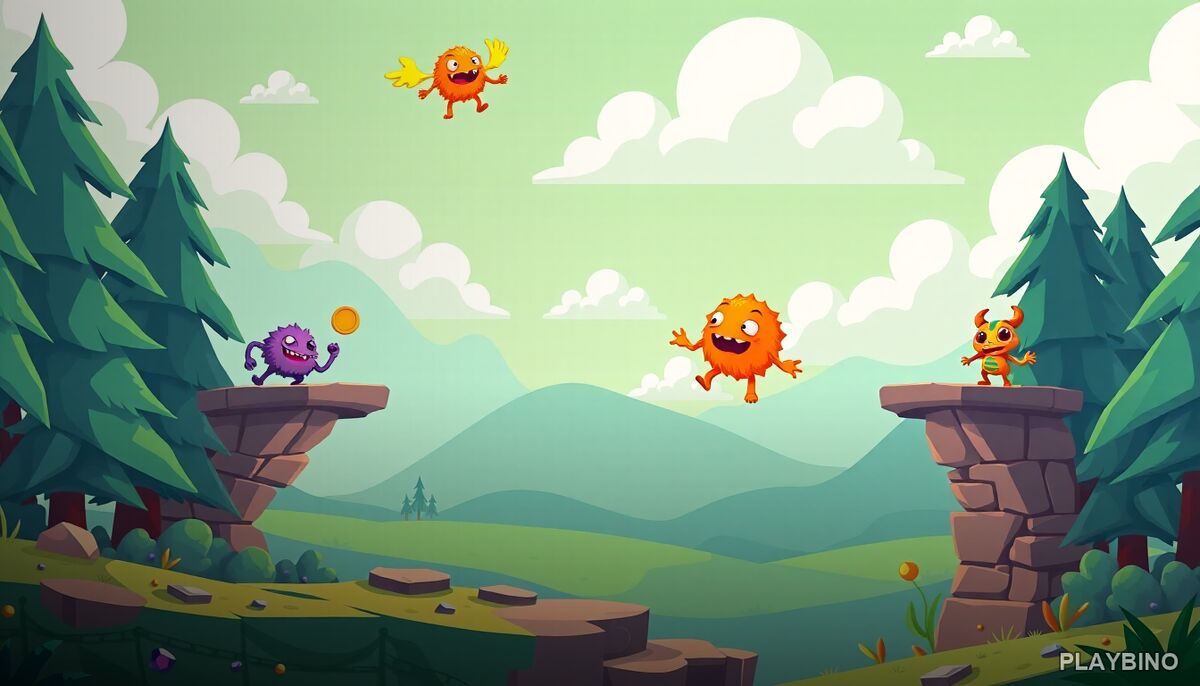
Stretch Huggy Monster sits at the crossroads of skill and spatial puzzle design. You control a rubbery creature whose limbs can extend across gaps, wrap around objects, and reach platforms that would otherwise be impossible to touch. The challenge is not just about stretching — it is about knowing how far and in which direction before you commit. Overshoot, and your character tears apart. Try the full challenge directly in your browser with no download required.
The Core Mechanic: Stretching Under Pressure
The elastic limb system is the entire foundation of the game. Each level places your monster in a position where the next platform, object, or goal is just out of normal reach. You extend an arm or leg, hold the stretch, and release at the right moment. The tension builds as you approach the limit — the character visually strains, and the feedback makes it clear when you are pushing too hard.
Timing and Distance
Getting the angle right matters as much as the distance. A slight miscalculation sends a limb in the wrong direction, leaving you dangling or worse, splitting the creature entirely. The game does not punish you harshly — restarts are quick — but the satisfaction of a clean stretch that lands exactly on target is the main reward loop here.
Obstacle Variety
Early levels introduce basic gaps and stationary platforms. As you progress, the layouts become more layered: spinning elements, narrow ledges, and multi-step sequences where one stretch sets up the next. The puzzle side of the game grows steadily without feeling abrupt.
Spatial Reasoning Over Speed
Unlike many arcade skill games, Stretch Huggy Monster rarely rewards rushing. Most stages ask you to pause and assess the layout before acting. The gaps between platforms force you to mentally map the stretch path — which limb goes where, whether you need to anchor one side before extending the other, and whether the angle you are considering will clear an obstacle in the middle of the trajectory.
This is where the puzzle tag earns its place. The monster mechanic is fun on its own, but the level design is what keeps the game engaging past the first few stages. Draw To Win Stars, another puzzle-based browser game, takes a different approach to spatial logic if you enjoy this style of thinking.
Difficulty Curve and Progression
The game scales difficulty gradually, which works well for short sessions. You rarely hit a wall without warning — new hazards are introduced with simpler versions before the complexity increases. By the mid-game stages, you are dealing with combinations of wide gaps, moving platforms, and tighter timing windows that require planning two or three moves ahead.
- Early stages: single stretches across static gaps
- Mid stages: multi-limb sequences and angled approaches
- Later stages: moving obstacles, narrow landings, and chained stretches
Who Will Enjoy This Game
If you like puzzle games that have a physical, tactile feel rather than a purely logical interface, this one delivers that well. The monster character adds personality to what could otherwise be a dry geometry exercise. The stretching animation gives every move a sense of weight and consequence.
Players who enjoy short, focused sessions will find the level format comfortable — most stages can be completed in under two minutes once you understand the solution, but figuring out that solution is the actual game. PlayBino hosts a range of browser games in this puzzle-skill category, and Stretch Huggy Monster fits naturally among the more creative entries.
Strategy Tips for Trickier Levels
Plan Before You Stretch
Scan the full level layout before making any move. Identify where the endpoint is, what obstacles sit between you and it, and which limb has the clearest path. Committing to a stretch without a plan almost always leads to a restart.
Use Anchoring to Your Advantage
When a gap seems too wide for a single stretch, look for intermediate anchor points — ledges, edges, or objects you can grab briefly to reposition before extending further. Many mid-to-late levels are designed around this two-step approach.
The controls stay simple throughout, which means the learning curve is almost entirely about reading levels rather than mastering input. That balance keeps the game accessible while still offering real challenge in later stages.