Storm Surge: Survive the Rain-Soaked Endless Runner
What Storm Surge Is About
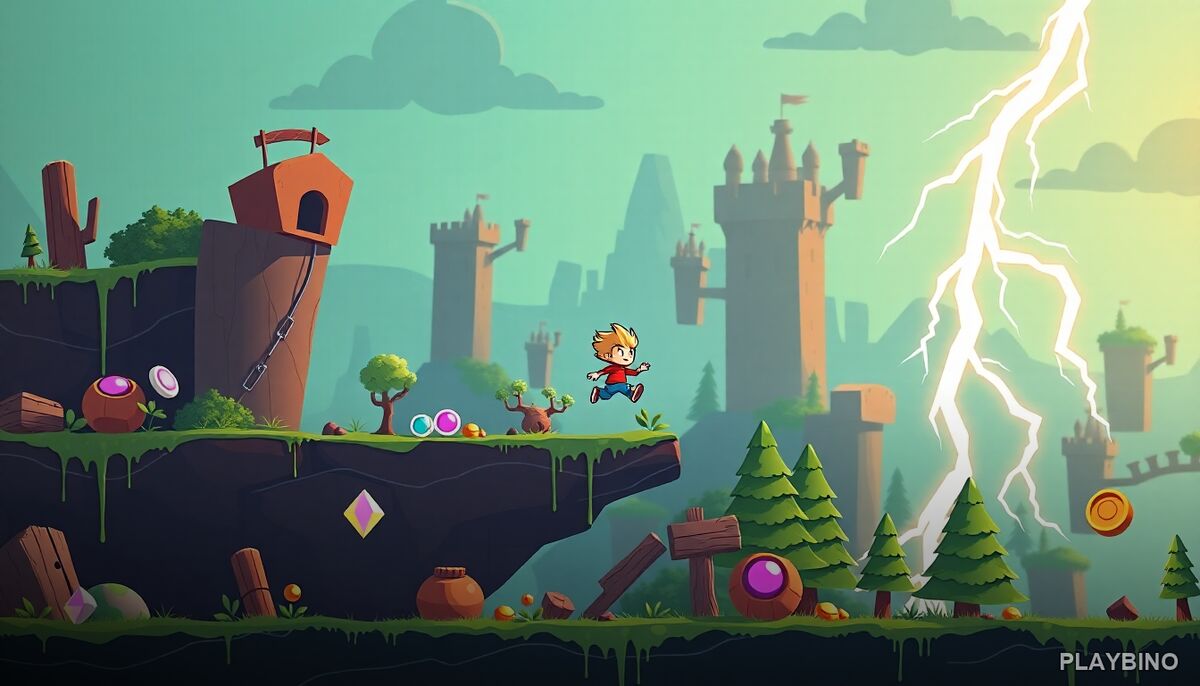
Not every endless runner throws rain, lightning, and collapsing ground at you simultaneously. Storm Surge builds its challenge around a hostile weather environment where the terrain itself becomes your main opponent. Wet surfaces change how jumps land, flooded sections block obvious routes, and lightning strikes demand instant reactions with no margin for hesitation. If you want to feel that pressure firsthand, the full run is available on PlayBino right in your browser.
The Core Loop and What Keeps It Moving
The structure follows the endless runner format: you move forward, obstacles escalate, and the goal is surviving as long as possible while collecting points. What separates Storm Surge from simpler arcade runners is how the environment layers its threats. You are never dealing with just one hazard at a time.
Platform Behavior
Rain-soaked platforms do not behave like solid ground. Jumps that look safe can carry you too far or not far enough depending on the surface. Crumbling platforms disappear after contact, which means standing still is rarely an option. Reading the ground ahead becomes as important as reacting to what is directly in front of you.
Lightning and Timing
Lightning strikes introduce a timing layer that pure obstacle-dodging games often lack. You cannot simply memorize a pattern and repeat it. The storm shifts, visibility drops during heavy downpours, and the window for a safe move shrinks the deeper into the run you go. This forces you to stay alert rather than fall into a rhythm.
Scoring and Risk Decisions
Points appear in dangerous zones on purpose. Collecting them means moving into areas where the platform situation is worse, the lightning risk is higher, or the flood level is rising. This creates a constant tension between playing it safe and pushing for a higher score. Runners who ignore the points survive longer but finish with lower totals. Runners who chase every collectible take more damage but build bigger numbers. Finding the balance between those two approaches is where most of the skill development happens.
Atmosphere and Difficulty Progression
The audio and visual design reinforce the pressure. Thunder builds as the run continues, and the downpours reduce how far ahead you can see clearly. This is not just cosmetic. Reduced visibility is a genuine gameplay factor that changes how much reaction time you have. Early levels feel manageable. Later stages stack weather intensity on top of faster platform decay and more frequent lightning, which means the difficulty curve is tied directly to the storm's behavior rather than arbitrary speed increases.
Who This Game Suits
Storm Surge works well for players who enjoy action-arcade games with a survival edge. The endless runner format keeps sessions short and replayable, making it easy to attempt one more run without a large time commitment. The skill ceiling is real though. Casual players can enjoy the early stages, but pushing for top scores requires consistent reflexes and the ability to read a chaotic environment quickly.
- Reflex-based jumping across unstable platforms
- Lightning strike avoidance with split-second timing
- Flooded zones that block or alter routes
- Score risk decisions tied to dangerous collectible placement
- Escalating storm intensity affecting visibility and pace
A Different Kind of Arcade Challenge
If the reflex-heavy pressure of Storm Surge appeals to you, it is worth exploring other arcade games that rely on quick decisions and unconventional mechanics. You Have to Eat Cheese offers a completely different take on arcade logic, built around its own set of unusual rules that reward creative thinking over pure speed. The contrast between the two shows how varied browser arcade games can be even within the same casual format.