Super Friday Night Squid Challenge Game: Rhythm, Pressure, and Survival
What Kind of Game Is This?
Rhythm games and survival pressure don't always mix, but Super Friday Night Squid Challenge Game pulls it off with a sharp sense of urgency. The setup is familiar to anyone who has played FNF-style games — arrows scroll, music pounds, and you hit the right inputs at the right moment. What sets this one apart is the atmosphere. The squid-style elimination tension bleeds into every track, making each missed beat feel like more than just a scoring penalty.
If you want to feel that pressure firsthand, try the full challenge in your browser and see how long your composure holds under the music.
How the Rhythm Mechanics Work
The core loop is straightforward: notes fall in sync with the beat, and you press the matching directional inputs as they hit the target zone. Accuracy is graded on timing — early, perfect, or late — and your health bar responds to every mistake. Too many misses in a row and the round ends.
Timing Windows
The timing window feels tight enough to demand real focus but not so punishing that a single slip ends everything immediately. Early rounds give you room to find the rhythm. Later tracks tighten the margin, and the note patterns become denser, requiring faster finger movement and better anticipation.
Note Patterns and Escalation
Each track introduces new patterns — rapid single-direction bursts, alternating sequences, and held notes that require you to stay pressed for a beat or two. The escalation is gradual but consistent. By the final sections of a track, the screen fills with incoming notes that demand full attention and muscle memory rather than conscious thought.
The Atmosphere and Soundtrack
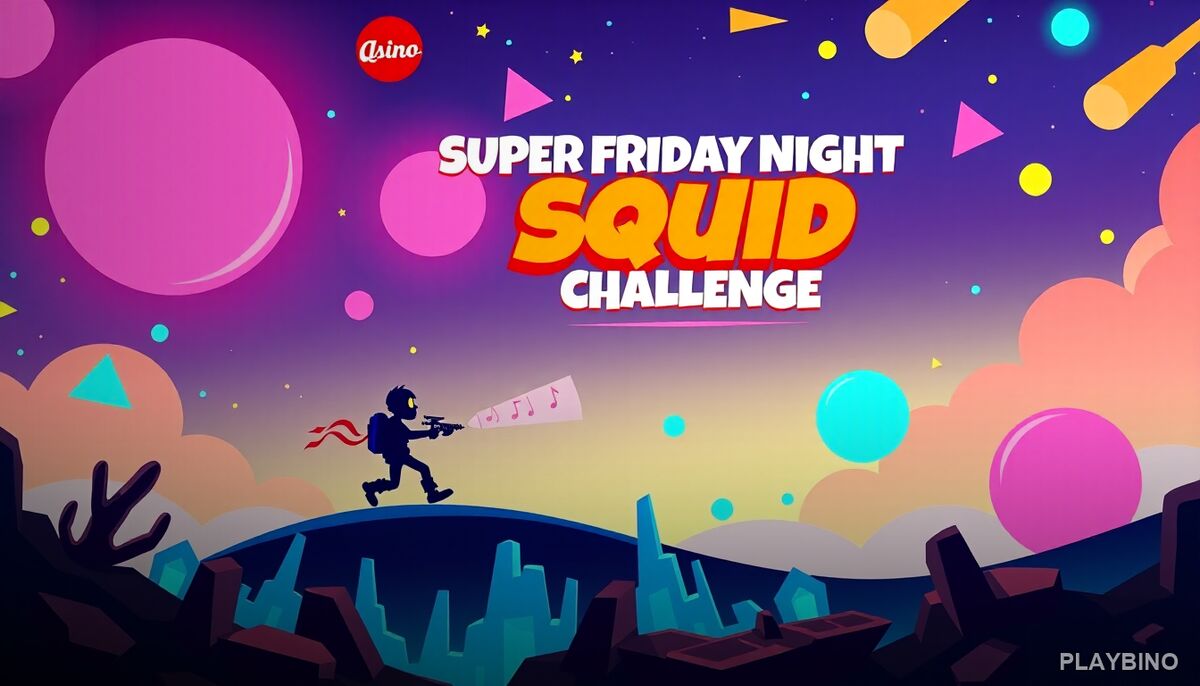
The visual design leans into the squid-game aesthetic with bold colors, high-contrast backgrounds, and character designs that carry a competitive, almost confrontational energy. The soundtrack is the real driver here. Tracks are composed to feel relentless — syncopated rhythms, sudden tempo shifts, and bass-heavy drops that make the physical act of pressing buttons feel satisfying when you're locked in.
The combination of visuals and audio creates sessions that feel short even when they aren't. The music keeps pulling you forward.
Scoring and Replay Value
Scoring rewards consistency over single perfect hits. Maintaining a long streak multiplies your score, so surviving a difficult section cleanly is worth more than nailing a few notes and then fumbling. This pushes players toward a flow-state approach — staying calm, keeping the rhythm, and not overcorrecting after a mistake.
Replay value comes from chasing cleaner runs. Even after clearing a track, there's always a section where timing slipped or a streak broke. That gap between your current score and a perfect run is what keeps the one-more-try loop going.
Who This Game Suits
This is a single-player, skill-focused action game that rewards practice. Players who enjoy rhythm challenges, fast reaction gameplay, or the pressure of survival-style mechanics will find a lot to engage with here. The difficulty curve is accessible enough for newcomers to FNF-style games while still offering real challenge for experienced rhythm players on the harder tracks.
FNF TAILS.EXE takes a different angle on the same genre — that rhythm battle leans harder into creepypasta aesthetics and may appeal to players who want a darker, more unsettling musical atmosphere alongside the gameplay.
Strategy for Harder Tracks
A few habits make a noticeable difference on the more demanding songs:
- Focus on the target zone, not the falling notes — your eyes should stay low on the screen.
- Let your fingers rest lightly on the keys between inputs rather than lifting completely.
- During dense sequences, prioritize keeping your streak alive over chasing perfect timing on every note.
- On held notes, release slightly early rather than late to avoid a miss penalty.
PlayBino hosts the game directly in-browser with no download needed, so jumping back in for another attempt takes seconds. That low barrier to retry is part of what makes the improvement loop feel rewarding rather than frustrating.