Superhero Race 2: Hero Swapping, Obstacle Courses, and Endless Runner Strategy
What Kind of Game Is This?
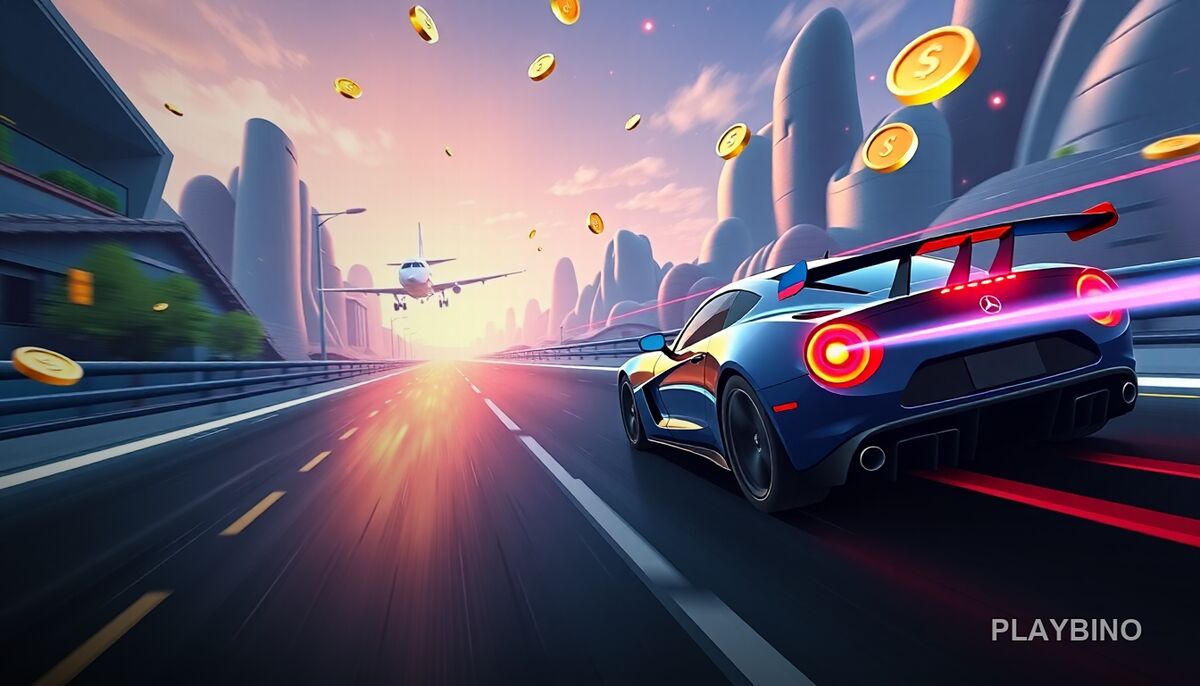
Superhero Race 2 sits at the intersection of action, skill, and endless runner gameplay. The core loop is straightforward: race through obstacle-filled courses as fast as possible. What separates it from a typical runner is the hero-switching system. Each character carries a distinct ability, and the track constantly demands you use the right one at the right moment. You can play this fast-paced runner on PlayBino directly in your browser without any downloads.
The Hero Roster and Why It Matters
Not all superheroes are built the same, and that variety is central to how the game plays. Some characters are built for raw speed through tight corridors, while others carry enough power to smash through barriers that would stop a faster hero cold. A flight-capable character might clear a vertical gap effortlessly but struggle in sections designed for ground-level momentum.
Switching Mid-Run
The real skill in Superhero Race 2 comes from reading the terrain ahead and swapping heroes before the obstacle hits, not after. A late swap usually means a crash. Early swaps that anticipate what's coming allow you to chain sections together cleanly. As levels grow longer and more complex, this anticipation becomes the difference between a smooth run and a broken one.
Ability Matchups
Learning which hero handles which obstacle type is essentially the game's puzzle layer. Narrow speed corridors reward lighter, faster characters. Massive structural barriers require strength-based heroes. Some sections mix both in quick succession, forcing rapid back-to-back switches that test your reaction speed and pattern recognition simultaneously.
Coin Collection and Progression
Coins are scattered throughout each course, and they serve a real purpose. Collecting them unlocks new heroes and upgrades the ones you already have. This progression system encourages replay, since going back through earlier stages with upgraded characters feels noticeably different. It also rewards experimentation: trying new hero combinations on familiar terrain often reveals faster routes or easier obstacle clears you hadn't considered before.
- Coins unlock new playable heroes with different ability profiles
- Upgrades improve existing heroes, making them more effective in their specialty
- Replaying stages with stronger characters reveals new strategies
- Some hero combinations work better on specific stage types
Level Design and Escalating Difficulty
Early stages introduce each hero type at a manageable pace. The terrain is forgiving enough to let you learn the swap timing without punishing every mistake. Later stages compress that learning curve significantly. Obstacles arrive faster, the mix of barrier types becomes less predictable, and the windows for correct hero selection shrink. The game doesn't explain this shift; it expects you to adapt through repetition.
The endless runner structure means there's no fixed endpoint to aim for in the traditional sense. Progress is measured by how far you get, how many coins you collect, and whether you can maintain clean runs through the hardest sections. That structure suits the action and skill tags well — it's a game about improving your execution rather than following a scripted path.
Who This Game Suits
If you enjoy runners that layer decision-making on top of reflex-based movement, this one delivers that combination. The racing feel is quick and the action stays constant, but the hero-switching mechanic adds a strategic element that pure speed runners don't have. Players who like unlocking and upgrading characters will find the coin system gives each run a secondary objective beyond just surviving.
For a different take on the superhero racing concept, the Superhero Transform Change Race breakdown covers a comparable game that handles transformation mechanics in its own way — worth a look if this style of runner appeals to you.