Swing Skibidi: Spike Gauntlet Timing and Survival Strategy
What Kind of Game Is This
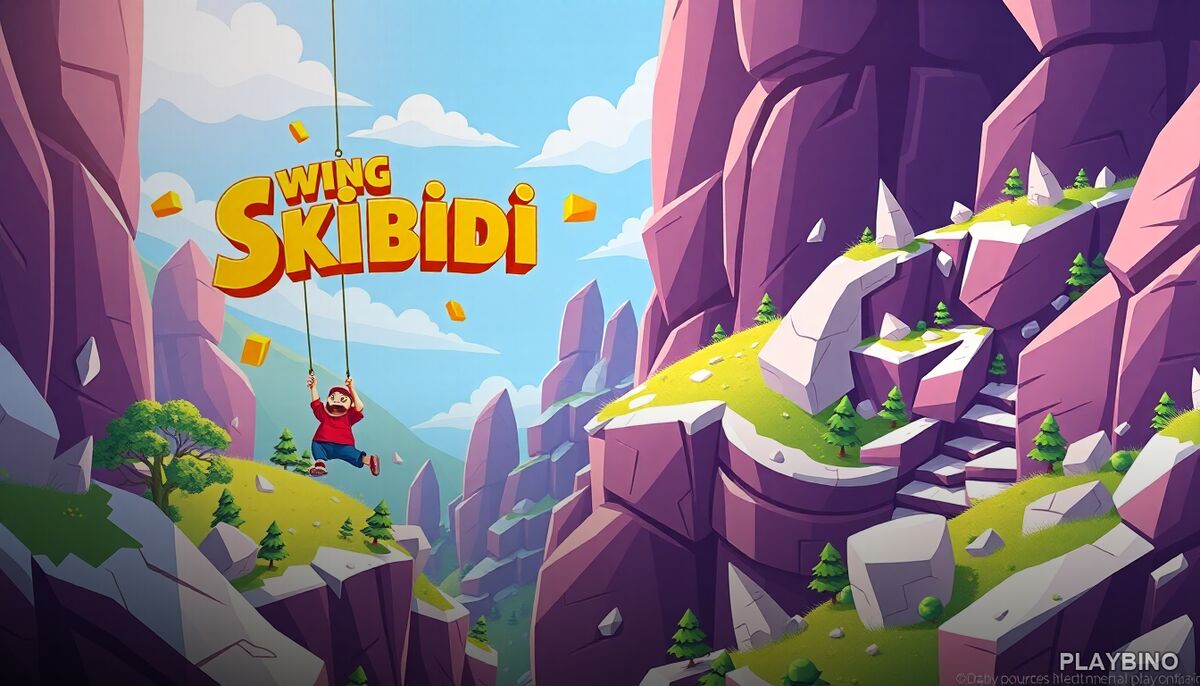
Swing Skibidi drops you into a narrow corridor packed with spike-covered walls and asks one thing: survive as long as possible. The character — a toilet, because of course it is — swings between surfaces in a rhythm-based gauntlet where every tap either saves you or ends the run. It sounds absurd, and it is, but the action and skill mechanics underneath are genuinely sharp. Try the full run and the addictive loop becomes obvious within seconds.
How the Swinging Mechanic Works
The core input is minimal: tap to swing, release to let momentum carry you. The character arcs between walls, and the angle of each swing determines where you land next. Land clean and the run continues. Clip a spike and it resets immediately.
Timing Windows
The timing windows feel generous at first, but the corridor gets more punishing as the run extends. Spikes appear in tighter clusters, and the rhythm you built in the early phase stops working. Players who rely on muscle memory from the opening stretch often hit a wall around the same point every session — which is exactly what drives repeated attempts.
Momentum and Angle Control
Holding a tap slightly longer changes the arc. Shorter taps produce tighter swings that hug the walls more closely, which is useful when spike gaps narrow. Longer holds send the character wider, which works in open sections but creates problems when the layout tightens. Reading the upcoming wall pattern a beat ahead is what separates short runs from long ones.
What Makes Each Run Feel Different
The level layout has enough procedural variation that identical runs are rare. Spike clusters shift position, gap widths change, and the pacing of hazards keeps players from memorizing a fixed route. This is what keeps the skill loop fresh across dozens of attempts. The frustration of falling just short of a personal best is real, but so is the pull to go again immediately.
Leaderboard Pressure and Score Chasing
A live leaderboard adds quiet competitive weight to every run. Watching your score inch upward across sessions gives short attempts meaning even when they end early. The scoring system rewards distance and clean swings, so players who avoid near-miss recoveries tend to post higher numbers. Consistency matters more than lucky stretches.
- Distance survived is the primary scoring factor
- Clean swings without wall grazes contribute to higher totals
- Personal best tracking makes each session feel like progress
- Leaderboard position updates after each run
Who This Game Suits
Swing Skibidi works well for players who enjoy short, high-repetition action games where improvement is measurable. The runs are quick, the feedback is instant, and there is no downtime between attempts. It fits the same space as other skill-based arcade games — the kind where five minutes can quietly become thirty. Players who like rhythm-adjacent challenges or reflex-heavy browser games will find a lot to engage with here.
If that style of quick-reflex gameplay appeals, another browser challenge worth exploring is Dots Rescue, which takes a different approach to precision and timing. The two games share an addictive quality even though the mechanics differ significantly.
Practical Tips for Longer Runs
Start each session focused on the early phase rather than rushing. Building a clean rhythm in the first stretch creates better instincts for the harder sections that follow. When spike density increases, shorten your tap inputs rather than reacting to each hazard individually — micro-adjustments tend to cause more crashes than steady, committed swings. Accept that some runs will end on bad luck, but most short runs end on timing errors that become fixable with repetition. PlayBino hosts the game directly in browser with no downloads required, so getting back into a run after a reset takes no time at all.