Tanks of the Galaxy: Combat, Upgrades, and Survival Strategy
What Kind of Game Is This?
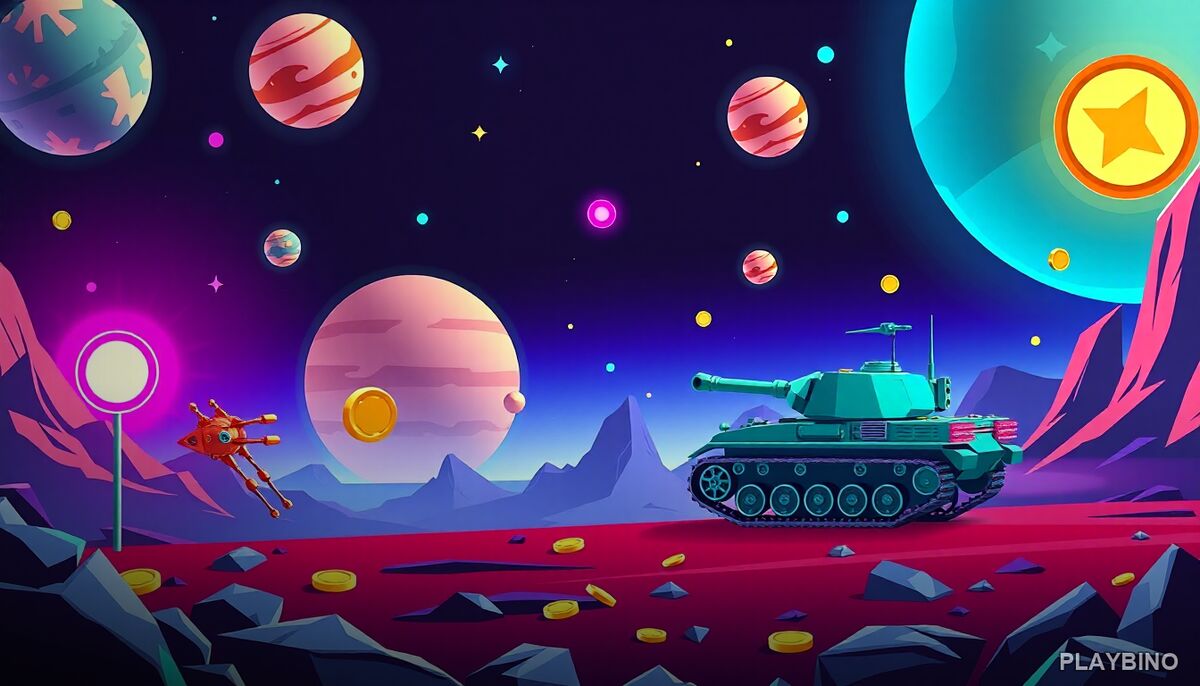
Tanks of the Galaxy is a 2D top-down action shooter where enemy tanks roll in from multiple directions and you have to outmaneuver, outshoot, and outlast them. The battlefield is open, which means positioning matters as much as firepower. There's no cover system — just movement, angles, and the weapons you've built up over time. Play it directly in your browser and you'll notice immediately that the pace doesn't let up.
Combat Flow and Movement
The core loop is simple but demanding. Enemies approach from the edges of the map, and your job is to keep moving while landing clean shots. Staying still is a quick way to get surrounded. The top-down perspective gives you a full view of the battlefield, which helps with reading enemy patterns — but the moment you stop reacting, the pressure compounds fast.
Close-range duels feel different from picking off distant tanks. At short range, the margin for error shrinks and dodging missiles becomes a reflex game. At longer range, you're playing more of an angles game, positioning yourself to fire while staying out of return fire paths.
Timing and Shields
Shields aren't just a passive defense layer. The game rewards players who activate protection at the right moment rather than keeping it running constantly. Knowing when to absorb a hit and when to dodge instead is one of the more interesting decisions the game puts in front of you.
Upgrade System and Coin Economy
Coins drop from destroyed enemies and feed directly into your upgrade path. This creates a natural incentive to push aggressively — the more enemies you eliminate, the faster your arsenal grows. New weapons change how you approach waves, and tank upgrades shift the balance between offense and durability.
What to Prioritize
- Firepower upgrades help clear waves faster, which means more coins per run.
- Defense upgrades extend survivability against heavier enemy types.
- Shield timing reduces the need for constant defensive upgrades early on.
- New weapons open up different attack strategies, especially explosive rounds for grouped enemies.
The upgrade system doesn't feel like a grind. Each purchase has a noticeable effect on how the next wave plays out, which keeps the progression feeling meaningful.
Enemy Variety and Wave Design
Waves escalate in intensity, introducing tougher enemy tanks that require more precise play. Explosive rounds become more valuable as enemy clusters grow denser. The game doesn't dramatically change its visual style between waves, but the mechanical pressure increases steadily, which is where the strategy element kicks in. Deciding whether to rush an enemy formation or pick it apart from a distance becomes a real tactical choice.
Who This Game Suits
If you enjoy action games with a shooting and strategy mix — where reflexes matter but so does resource management — this one has a satisfying loop. The sessions are short enough to replay multiple times, but the upgrade decisions give each run a slightly different feel. Fans of top-down shooters and tank combat will find the mechanics familiar but well-executed.
Space Arena on PlayBino operates in a similar space — fast combat, resource decisions, and escalating pressure. That arena-style challenge is worth a look if this kind of action-strategy format appeals to you.
Replay Value and Pacing
The satisfying part of Tanks of the Galaxy is that no two sessions feel identical. Aggressive players who charge enemy formations will collect coins faster but take more damage. Cautious players who pick angles carefully will survive longer but need to manage shield timing more actively. That tension between aggression and positioning is what keeps the combat loop from going stale after a few runs.