Timber Gladiator: Smash Columns, Dodge Debris, Survive the Arena
What You're Actually Doing
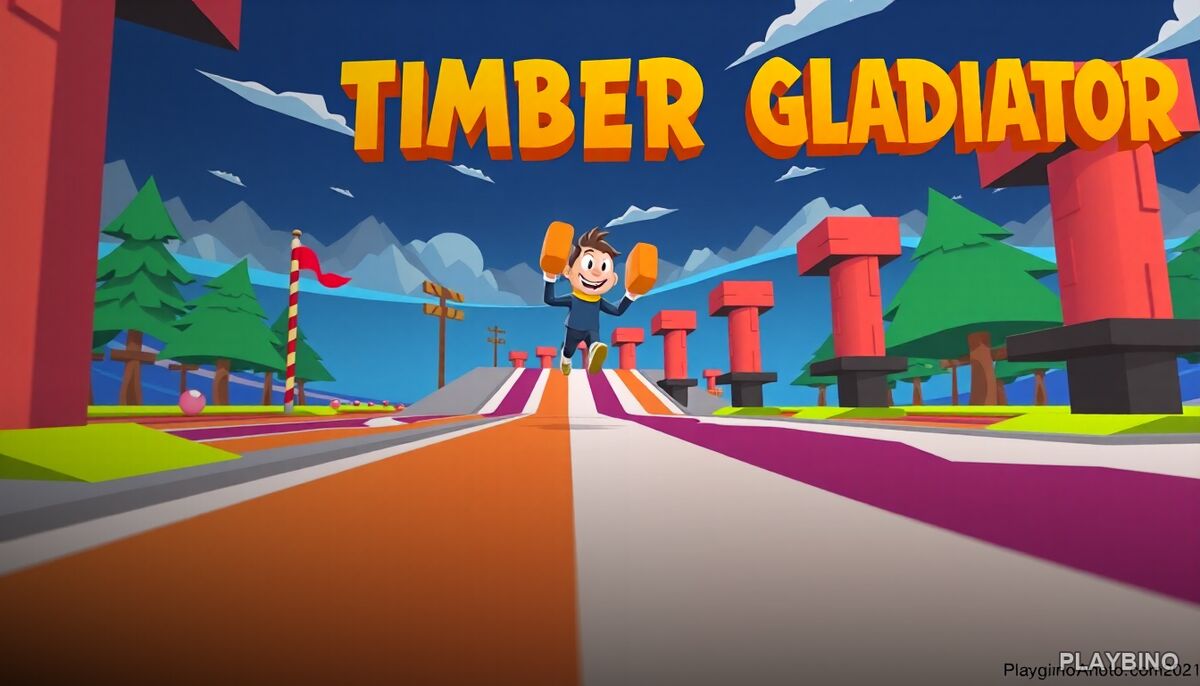
Timber Gladiator drops you into a simple but relentless loop: smash stone columns with a hammer, avoid the chunks falling from above, and keep your rhythm going as long as possible. The arena is compact, the controls are minimal, and the pressure builds fast. Play the full challenge here and you'll understand within the first ten seconds why this one pulls you back for repeated runs.
The core mechanic revolves around positioning. You stand on either the left or right side of the arena, striking the column in front of you. Debris falls from above based on where you hit, so staying in one spot too long becomes dangerous. The game forces you to read the pattern, time your switch, and keep attacking without hesitation.
How the Controls Work
The input system is deliberately stripped down. You tap or click left and right to switch sides and strike. There's no jump, no special move, no cooldown to manage. Everything comes down to timing and spatial awareness.
Switching Sides
Moving between positions isn't just about avoiding debris — it's also how you maintain your attack rhythm. Switching too early wastes a hit opportunity. Switching too late means taking a chunk to the head. Finding the right window is the core skill the game teaches through repetition.
Scoring
Each column hit adds to your score. The longer you survive and the faster you strike, the higher your total climbs. There's no combo multiplier shown on screen, but the pace itself acts as a natural pressure valve — the more aggressive you play, the more risk you carry.
The Debris Problem
Falling chunks are the main hazard. When you smash a column, pieces break off and fall downward. If you're still standing in the same spot, you get hit. The pattern isn't fully random — it follows a logic tied to which side you last struck — so experienced players start to anticipate where the next danger zone will appear.
Early runs feel chaotic because you're reacting. Later runs feel more controlled because you're predicting. That shift from reactive to proactive play is where the arcade loop really clicks.
Pace and Pressure
The game starts at a manageable speed. Columns don't fall instantly, and you have a small window to read the situation. But the pace increases gradually, compressing that window until decisions need to be near-instant. This is the classic endless runner structure applied to a melee-style arena setup — familiar in feel, but distinct in execution.
Retro visuals keep the visual noise low, which actually helps. You're not distracted by flashy effects. The screen tells you exactly what you need to know: where the debris is, where you are, and how much time remains. Sessions run short, usually under two minutes, which makes one-more-run thinking easy to fall into.
Who This Game Suits
- Players who enjoy arcade-style reflex challenges with simple controls
- Anyone who likes score-chasing and beating personal records
- Fans of endless runner mechanics applied to non-running scenarios
- People looking for a quick browser game that doesn't require setup or tutorials
Timber Gladiator fits naturally alongside other one-player arcade titles on PlayBino that reward pattern recognition and timing over complex strategy. The skill ceiling is real, but the entry point is low enough that anyone can start immediately.
A Similar Arcade Challenge Worth Trying
The rhythm-based tension in Timber Gladiator shares something with other arcade games built around split-second decisions and tight corridors. If that kind of pressure appeals to you, this look at Flappy Ship Classic covers another browser game where timing and positioning determine everything. The two games feel different on the surface but share the same loop of quick failure, fast restart, and gradual improvement."