TimeGems: Match-3 Puzzle Strategy and Survival Tips
The Core Pressure Behind Every Move
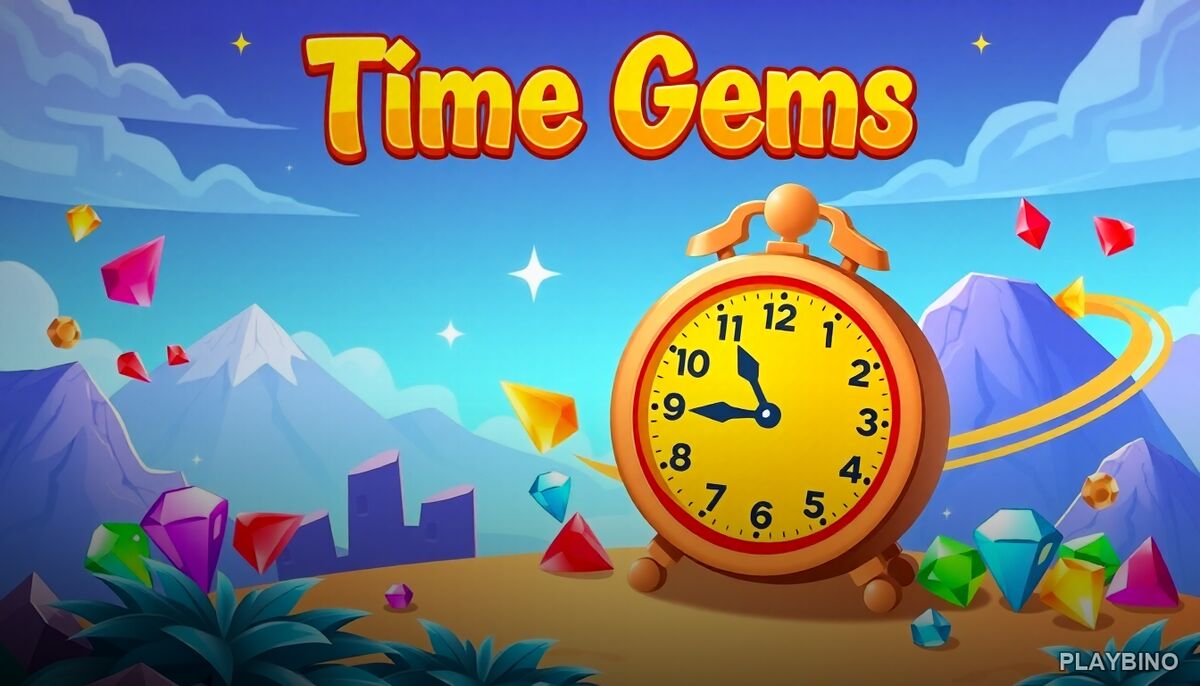
Most match-3 games let you think at your own pace. TimeGems removes that comfort entirely. A countdown timer runs constantly, and the only way to stay alive is to keep matching gems before the clock hits zero. Every group of three or more identical gems you clear adds precious seconds back to your timer, turning each match into a small act of survival. Play this browser puzzle and you'll feel the tension immediately — the board looks simple, but the pressure changes everything.
How the Time Mechanic Actually Works
The countdown is not just a visual element. It directly controls the pace of every decision you make. Clearing a basic three-gem match returns a small time bonus. Larger combinations — four, five, or chain reactions — return significantly more. This means the timer is not purely your enemy. It also functions as a reward system. Hit a big combo and you suddenly have room to breathe. Let the board go quiet and the clock will punish you for it.
Small Matches vs. Large Combinations
The tension between reacting quickly and planning carefully is what makes TimeGems interesting as a puzzle game. A fast small match keeps the clock ticking, but a well-set-up larger combination can reset the pressure almost entirely. Knowing when to grab an easy three-gem clear versus holding off for a bigger chain is the central skill the game builds over time.
Scanning the Board Under Pressure
Under time pressure, players tend to fixate on one part of the board. Training your eye to scan the full grid quickly — checking edges, corners, and clustered color groups — becomes as important as knowing which matches to make. The colorful gem presentation helps readability, but the urgency of the timer still makes scanning feel like a challenge.
Scoring and Progression
Points accumulate with every match, but larger clears multiply the value. The game rewards players who can maintain a rhythm of medium-to-large combinations rather than chaining together minimum three-gem clears repeatedly. Sessions are short by design. Each run ends when the timer runs out, making score improvement the natural goal across multiple attempts. There is no level progression to unlock — the board resets and the clock starts again, which keeps the format clean and replayable.
Strategy That Holds Up Over Multiple Runs
- Prioritize matches that create follow-up opportunities rather than isolated clears.
- Watch for color clusters building on the board — they signal incoming combo potential.
- When time is critically low, take the fastest available match regardless of size.
- When time is healthy, slow down and look for four-gem or larger setups.
- Avoid fixating on a single corner of the board; full-grid awareness pays off.
The single-player format means every result is entirely your own. No randomized power-ups or external bonuses shift the outcome. The board layout and your decision speed determine the score.
Who This Game Suits
TimeGems works well for players who enjoy puzzle games but want more urgency than a standard relaxed match-3 format provides. The one-player structure keeps sessions focused. The mechanics are immediately understandable, but consistent high scores require real pattern recognition and composure under pressure. If match-3 puzzle gameplay interests you but you want something with a different spatial challenge, SpacePlanetCrush offers another angle on the genre worth exploring on PlayBino.
Why the Format Stays Engaging
Short-session puzzle games live or die by how satisfying each attempt feels. TimeGems delivers that through the timer system — a bad run ends quickly, and the restart is instant. A good run builds into a tense final stretch where every match matters. The colorful, clean visual design keeps the board readable even when the pressure mounts. It is a compact, well-structured puzzle experience that rewards both quick reflexes and deliberate thinking.