Tower Defense: Dragon Merge – Strategy, Merging, and Wave Survival
What Kind of Game Is This?
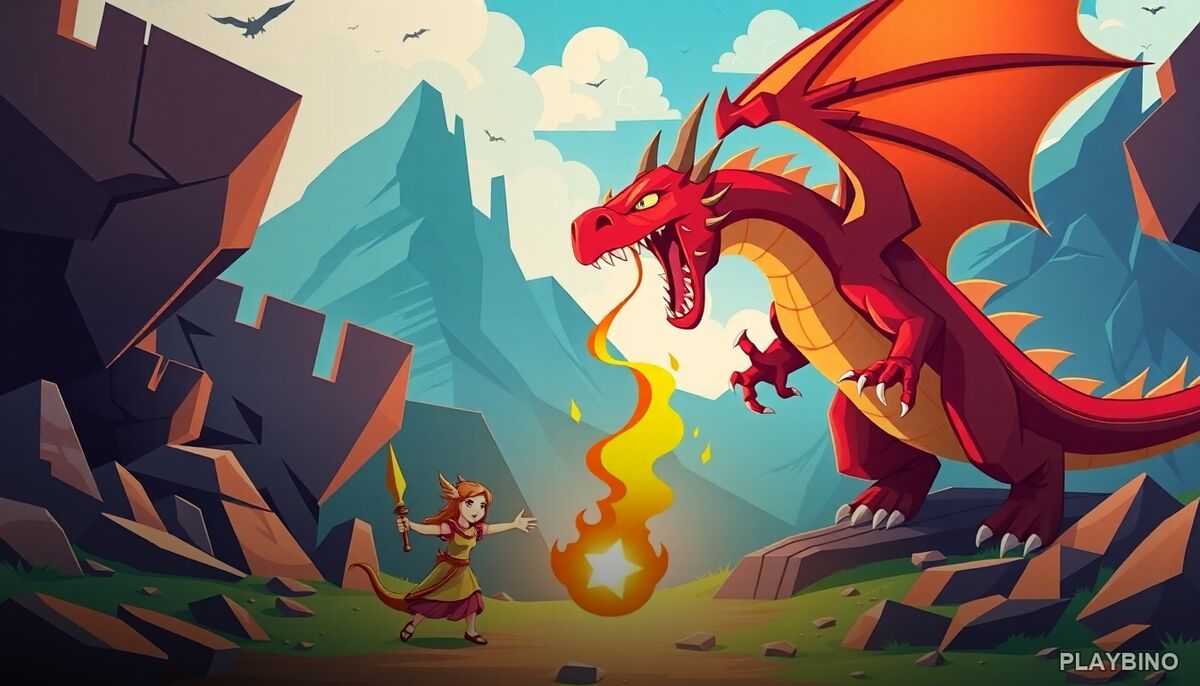
Tower Defense: Dragon Merge takes the familiar structure of wave-based defense and layers a dragon breeding mechanic on top of it. Enemies march toward your castle in organized waves, and your job is to position defenders strategically while also managing a merging system that upgrades your dragons over time. The result is a strategy game that demands attention on two fronts simultaneously — stopping the current wave and preparing for the next one.
If you want to jump straight in, the full game is available on PlayBino with no download required.
The Merging Mechanic Explained
The core loop that separates this game from standard tower defense titles is the dragon merge system. When two dragons of the same level occupy adjacent slots, you can combine them into a single, stronger unit. That upgraded dragon deals more damage, may carry a unique ability, and frees up space for placing new towers.
Why Merging Order Matters
Rushing merges too early can leave you with fewer active defenders during a critical wave. Holding off too long wastes the damage potential of upgraded dragons. The timing of each merge is a genuine decision — not a passive bonus. Players who treat merging as an afterthought tend to fall behind once mid-game waves start hitting harder and faster.
Unlocking Stronger Variants
Each merge tier unlocks a visually distinct dragon with enhanced attacks. Some higher-tier dragons introduce area damage or slowing effects, which change how you position them along the enemy path. Discovering what each variant does and placing it in the right lane segment adds a layer of experimentation to the strategy.
Tower Placement and Resource Flow
Resources drop from defeated enemies and feed directly into your ability to expand. Buying new towers, filling gaps in your defensive line, and triggering merges all cost resources, so prioritizing spending is essential. A poorly placed tower early in a run can create a bottleneck that costs you later when enemies shift routes or arrive in larger groups.
The map layout rewards players who think about coverage zones rather than clustering towers in one spot. Spreading defenders across the path, with stronger merged dragons positioned near the end of the route, tends to produce more consistent results than front-loading all your power at the entrance.
Wave Difficulty and Adaptation
Each new wave increases pressure in a different way — more enemies, faster movement, or tougher unit types. The game does not give you long breaks between waves, so adjustments need to happen quickly. Scanning for weak points in your defensive line between waves and using resources to patch them before the next assault is one of the most important habits to develop.
- Identify which lane segment enemies are surviving longest
- Prioritize merges that produce area-effect dragons for dense waves
- Reserve some resources as a buffer for emergency tower purchases
- Avoid spending everything immediately after a wave ends
Who Plays This and Why
The game suits players who enjoy strategy titles where every decision compounds over time. The action tag in its genre is accurate — waves move quickly and the pacing rarely lets you sit idle — but the strategic layer is what keeps runs interesting beyond the first few minutes. Single-player sessions work well in short bursts or longer focused runs depending on how deep into the wave progression you want to push.
If the kingdom-defense format appeals to you, another strategy title worth exploring is Mushroom Fight For The Kingdom, which takes a different angle on the same genre.
Progression and Replayability
The difficulty curve is steep enough that early runs will likely end before you reach the later waves. That failure feeds information — you learn which dragon types underperform, which placements leave gaps, and where your resource spending went wrong. Subsequent runs feel noticeably sharper because the merging logic and tower positioning start to click. The layered design gives the game more replay value than a straightforward tower defense title would typically offer.