Trash Dash Runner: The Alley Cat Endless Runner You Need to Try
An Alley Cat on the Run
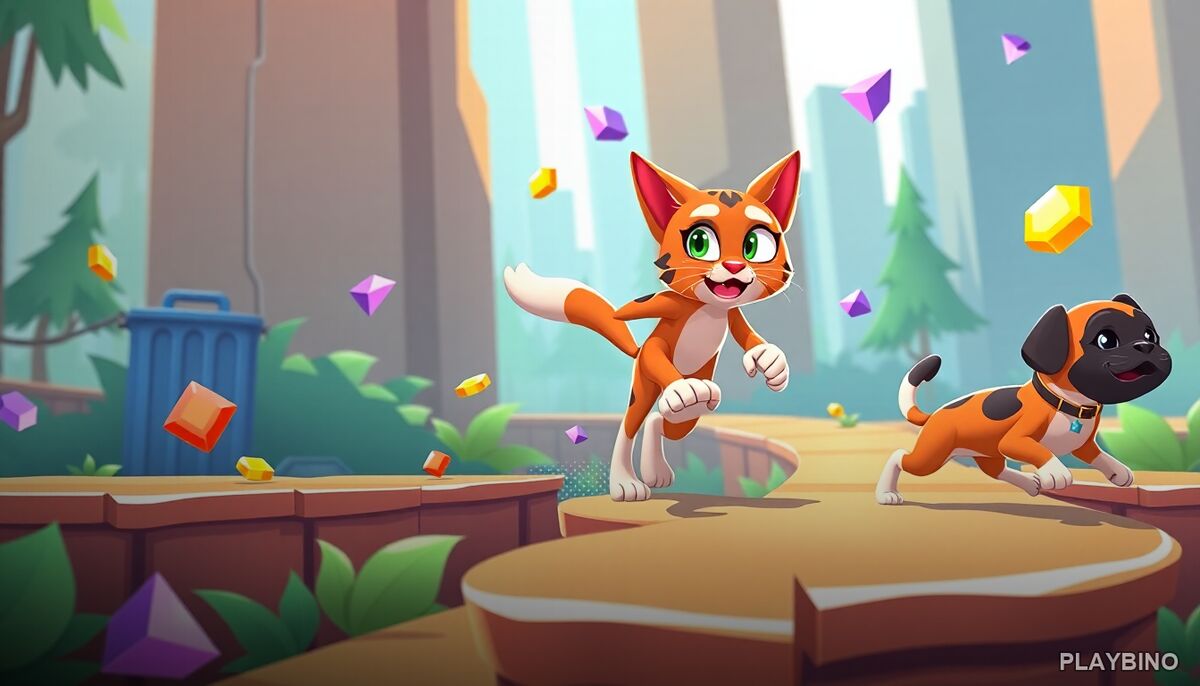
Most endless runners put you in the shoes of a human or a generic hero. Trash Dash Runner flips that with a scrappy alley cat bolting through urban streets, an angry dog hot on its heels. The premise is simple, but the tension it creates is immediate. Every second you stay ahead feels earned, and every stumble into a trash bin stings just a little more because of it.
The setting does a lot of work here. Busy streets, scattered rubbish, puddles, and tight corridors give each run a chaotic, lived-in feel. If you want to experience the full chase, try the game in your browser and see how far your reflexes carry you.
What You Actually Do Each Run
The core loop is classic endless runner: move forward automatically, react to obstacles, and survive as long as possible. What makes Trash Dash Runner feel distinct is how the hazards are layered. Trash bins force you to dodge sideways or time a jump. Puddles demand quick hops. Other urban debris adds unpredictability the further you go.
Controls and Timing
Controls are tight and responsive, which matters in a game where a split-second delay means the dog catches up. Jumps feel weighted without being sluggish, and the swipe or tap inputs translate cleanly into on-screen movement. Getting comfortable with the timing of longer jumps versus short hops is one of the first real skills the game asks you to develop.
Hazard Patterns
Early runs introduce obstacles at a manageable pace. As distance increases, the game stacks hazards closer together and introduces combinations that require reading two or three moves ahead. A puddle followed immediately by a trash bin is a common trap that catches players who react too late.
Collectibles and Progression
Scattered along each run are fishbones and sardine tins. These are not just cosmetic rewards — grabbing them feeds into a progression system that unlocks upgrades and new character looks. The strategic layer comes from deciding when to chase a collectible and when to ignore it because the path toward it is too risky.
Upgrades gradually improve your cat's capabilities, making longer runs more achievable over time. This creates a satisfying loop where even a failed run feels productive if you managed to grab enough collectibles along the way.
- Fishbones boost your character stats and unlock cosmetic options
- Sardine tins contribute to upgrade milestones
- New looks keep the visual experience fresh across multiple sessions
- Progression rewards persistence rather than punishing early mistakes
The Chase Mechanic and Run Tension
The angry dog chasing you is more than a visual detail. It functions as a constant pressure system. Unlike games where you can slow down and recover, the pursuit here means hesitation costs you distance and, eventually, the run. This keeps the pacing aggressive and ensures that even familiar obstacle patterns stay stressful.
Players who enjoy arcade games built around sustained momentum will find this tension rewarding rather than frustrating. The dog is never quite at your heels unless you make mistakes, but it is always close enough to matter.
Who Plays Best Here
Trash Dash Runner suits players who enjoy single-session arcade challenges with a clear improvement curve. The one-player format means all focus stays on beating your own distance and collection records. There is no waiting, no matchmaking — just a run, a result, and the immediate urge to go again.
Gummy Gauntlet offers another quick arcade challenge if you want something to alternate with between runs. The two games share a pick-up-and-play energy that makes them easy to stack in a single session on PlayBino.
Visual Style and Replayability
Bright colors and smooth animation make the game easy to read at speed, which is important when obstacles come fast. The urban alley aesthetic is consistent without feeling repetitive, and unlocking new character looks adds a reason to keep collecting beyond pure score chasing.
Replayability comes naturally from the endless format. No two runs feel identical because the obstacle combinations shift, and your own improving reflexes change how far each run goes. The gap between your first run and your tenth is noticeable, and that visible growth is what keeps players coming back.