Treasure of Alognov: Puzzle Logic Inside an Abandoned Castle
The Castle and Its Secrets
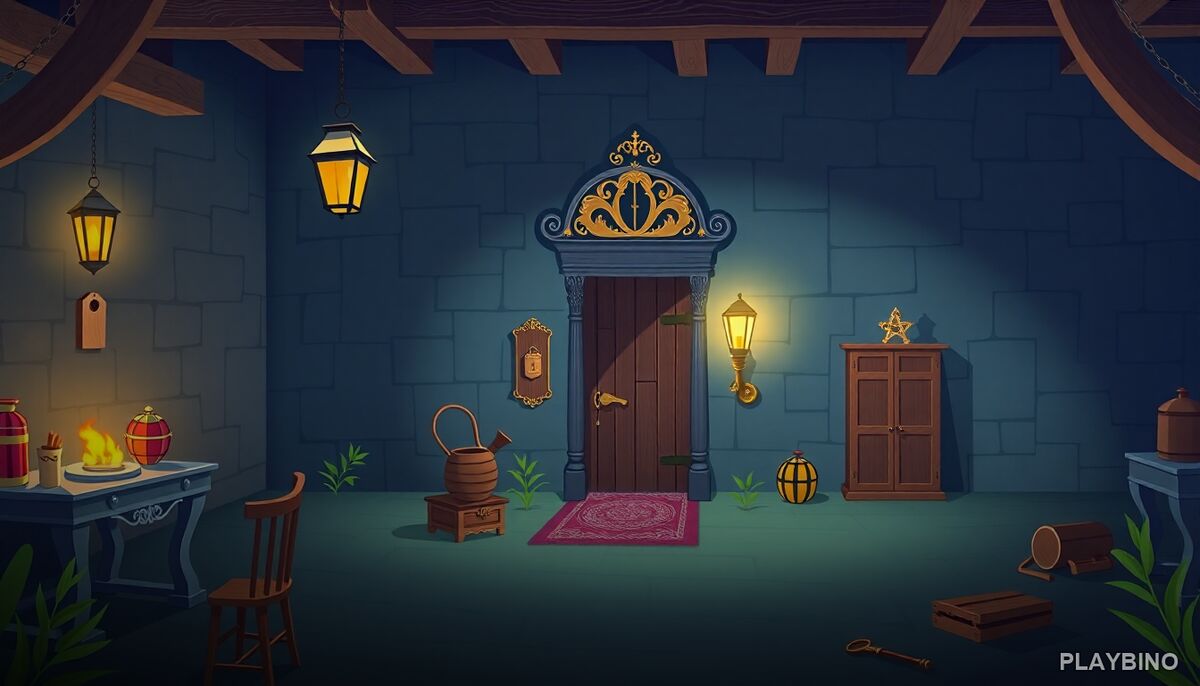
Somewhere inside the crumbling halls of Alognov castle, a locked treasure chest waits behind an elaborate cage. The Alognov family left it there long ago, and every room between you and that vault is filled with cryptic symbols, forgotten objects, and layered riddles. This browser puzzle drops you into that atmosphere immediately, asking you to observe carefully before you act.
The setting does real work here. Dusty chambers, dim lighting, and aged props create a sense that the castle has been sealed for decades. That mood is not just decoration — it reinforces the logic-based design by making every object feel like it might matter.
Point-and-Click Exploration
The core mechanic is point-and-click navigation. You move between rooms, examine objects, collect items, and apply what you find to locked mechanisms or symbol-based puzzles. There are no timers pushing you forward, which gives the game a deliberate, investigative rhythm.
How Clues Connect
Each chamber holds at least one piece of information that connects to something elsewhere in the castle. A symbol on a wall might correspond to a sequence on a lock two rooms away. An object picked up early may not have an obvious use until much later. The puzzle design rewards players who take mental notes rather than clicking randomly.
Observation Over Action
Treasure of Alognov does not ask for quick reflexes or precise timing. The challenge is entirely cognitive. You need to read the environment, recognize patterns, and apply logical deduction to progress. If a door will not open, the answer is almost always somewhere you already passed through.
Puzzle Structure and Difficulty
The riddles range from straightforward symbol matching to multi-step sequences that require combining several clues. Early puzzles introduce the mechanics gently, but the difficulty increases as you move deeper into the castle. Some solutions require lateral thinking — the connection between a clue and its answer is not always obvious on first inspection.
- Symbol decoding puzzles tied to room context
- Object interaction chains where items combine or unlock new areas
- Hidden clues embedded in the environment rather than highlighted
- Multi-room logic sequences that build on earlier discoveries
Atmosphere and Immersion
The abandoned castle setting is one of the stronger aspects of the experience. The visual design leans into decay and mystery without becoming overwhelming. There is enough detail in each room to feel immersive, but the layout stays readable so you are not lost in visual noise.
Players who enjoy atmospheric puzzle games — the kind where the environment itself tells part of the story — will find the pacing comfortable. Dead Faces: Horror Room takes a darker approach to the same room-exploration format