Tribal Twist: Match-3 Puzzle Strategy Guide
What Kind of Game Is Tribal Twist?
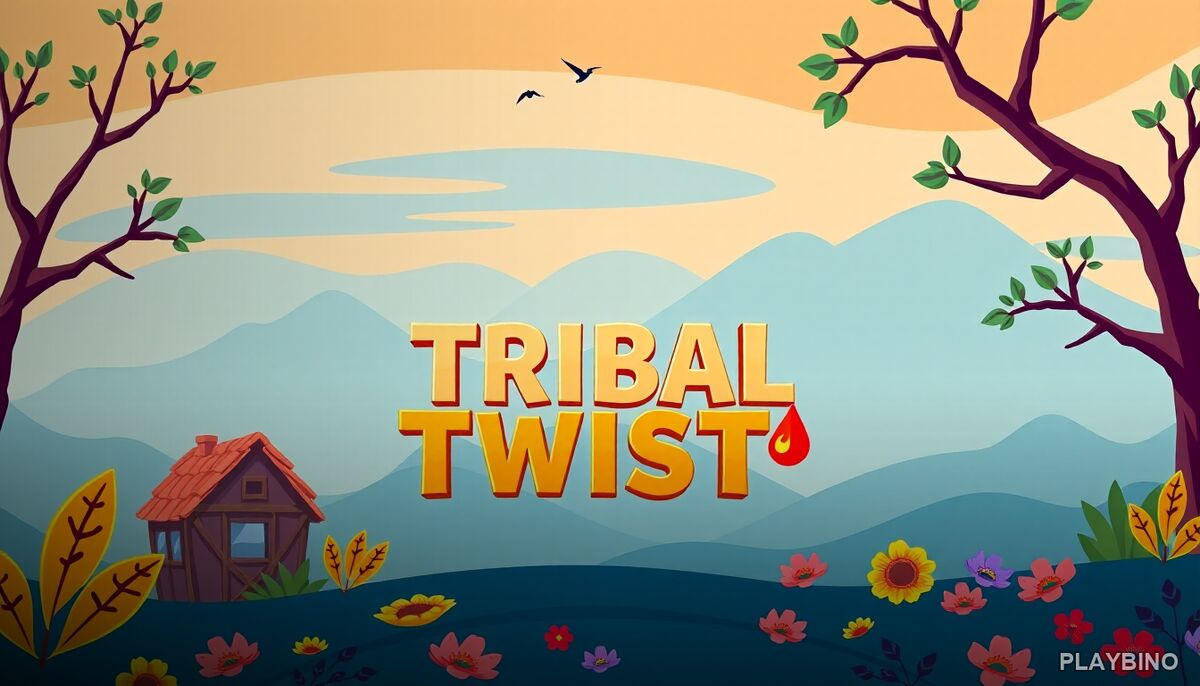
Match-3 puzzles have a long history in browser gaming, but Tribal Twist adds enough strategic texture to stand apart from the crowd. The tribal aesthetic gives the board a distinct personality — vibrant symbols, bold color contrasts, and visual effects that pop when a chain reaction clears several pieces at once. If you want to try the full challenge, it runs directly in your browser with no downloads or energy timers blocking your progress.
The core mechanic is familiar: swap two adjacent symbols to form a group of three or more matching pieces. What makes the game feel deeper than a casual time-killer is the move limit structure. Every level gives you a fixed number of swaps, so careless moves quickly become a problem. You have to think ahead, not just react to what the board shows you.
Board Mechanics and Chain Reactions
The satisfaction in Tribal Twist comes largely from chain reactions. When a match clears a section of the board, pieces above shift downward, sometimes triggering secondary and tertiary matches without any additional input. Recognizing when the board is set up for a cascade — and deliberately engineering one — is where the strategy layer kicks in.
Power-Ups
Larger matches of four or five symbols generate power-ups. These tools are not decorative; they become essential on boards with stubborn clusters that standard swaps cannot break. Using a power-up at the wrong moment wastes its potential, so timing matters as much as placement. Learning which power-up suits which board situation is a skill that develops across multiple levels.
Move Economy
Because moves are limited, every swap carries weight. Wasting two or three moves on low-value matches early in a level can leave you short when a difficult cluster appears later. Players who approach each level with a rough plan — clearing one section before moving to another, or holding power-ups for specific moments — will progress further than those who play reactively.
Level Objectives and Progression
Each level sets a specific objective rather than simply asking you to score points. Some boards require clearing a set number of a particular symbol. Others involve removing obstacle tiles or reaching a score threshold within the move limit. This variety keeps the puzzle logic fresh and prevents the game from feeling repetitive across longer sessions.
The tribal theme reinforces progression visually. Completing a level triggers celebratory effects that feel rewarding without being excessive. The aesthetic consistency across levels — warm earth tones, geometric tribal patterns, bold symbol designs — gives the game a cohesive identity that many match-3 titles lack.
Multiple Modes and Session Flexibility
Beyond the main level progression, Tribal Twist includes additional game modes that change the rules or pacing. This matters for replayability. A player who has completed the standard mode can return for a different kind of brain challenge without replaying the same content.
There are no energy restrictions. You can play five levels or fifty without hitting an artificial wall. For a puzzle and strategy game built around careful thinking, that freedom is significant — it lets you stay in a problem-solving mindset without forced breaks.
Who Plays Best Here
- Players who enjoy logic puzzles and planning several moves ahead
- Anyone who likes match-3 but wants more strategic depth than a basic grid shuffle
- Casual players looking for short sessions without energy timers
- Brain game fans who appreciate visual feedback and chain reaction mechanics
Similar Puzzle Games on PlayBino
Tribal Twist sits comfortably in the brain and strategy puzzle space. If you enjoy grid-based logic challenges, BlocksClassic takes a different approach to spatial reasoning — that puzzle experience is worth exploring if you want a contrast to the match-3 format. The two games share a focus on planning and pattern recognition, but the mechanics feel distinct enough to keep both fresh.