Tribe Boss: Resource Puzzles, Strategy, and 50 Levels of Brain Challenges
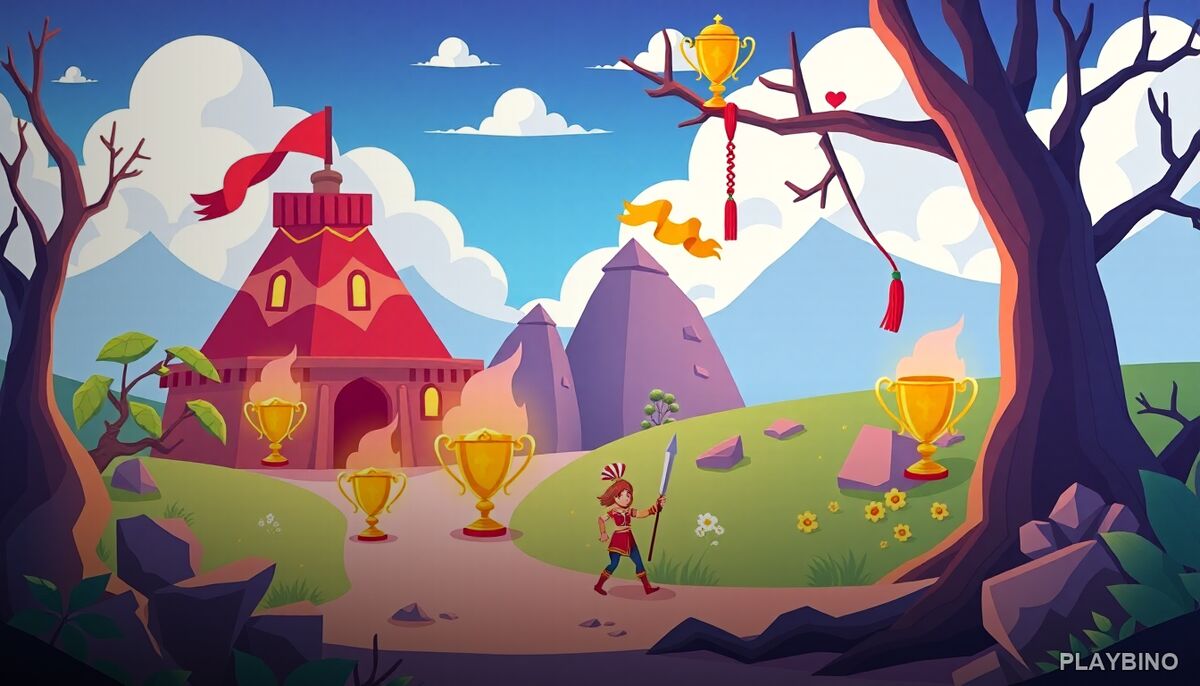
What Tribe Boss Is About
Resource management meets brain-teasing puzzle design in Tribe Boss, a single-player strategy game built around leading a tribe through increasingly complex allocation problems. Each of the fifty levels presents a specific objective, and reaching it means distributing limited supplies in exactly the right way. There is no combat, no timer pressure in the traditional sense — just a puzzle waiting to be solved through careful thought. Play the full challenge directly in your browser without any downloads or setup.
How the Resource System Works
At its core, Tribe Boss asks you to look at what you have and figure out where it needs to go. Supplies are limited. Objectives are specific. The gap between those two facts is where the puzzle lives.
Early levels introduce the basic logic: assign resources to the right roles or locations to meet the stage goal. As you progress, the game layers in new variables — competing demands, conditional requirements, and situations where one decision blocks another. The challenge is not about speed but about reading the whole board before committing to a move.
When Plans Fall Apart
A common experience in strategy puzzle games like this is the moment you realize your first instinct was wrong. Tribe Boss is built around that feeling. Levels are designed so that obvious-looking solutions often fail, pushing you to reconsider your assumptions and try a different allocation sequence. That friction is intentional, and working through it is where the satisfaction comes from.
Level Progression and Puzzle Complexity
Fifty levels sounds manageable, but the difficulty curve is real. The first handful of stages function as a tutorial in everything but name — they teach the rules through play rather than instruction. By the midpoint, the game introduces mechanics that require you to abandon strategies that worked earlier.
- Early levels focus on basic resource-to-role matching
- Mid-game stages introduce competing priorities and limited supply chains
- Later levels combine multiple mechanics, requiring multi-step planning
- Some stages have a single correct sequence, while others allow flexible approaches
This structure keeps the experience from feeling repetitive. Each new mechanic resets your mental model slightly, which is what makes the later levels genuinely difficult rather than just tedious.
The Right Mindset for This Game
Patience Over Speed
Tribe Boss rewards players who pause before acting. Rushing through an allocation without checking all the requirements usually results in a dead end. The game is designed for deliberate thinking — look at the objective, count what you have, and map out the path before placing anything.
Restarting Is Part of the Process
Do not treat a restart as a failure. Many levels in the later stages are meant to be attempted more than once. Each failed run reveals information about how the puzzle is structured, and that knowledge makes the next attempt faster and more focused.
Visual Design and Accessibility
The aesthetic in Tribe Boss is vibrant and clear. The visual language communicates resource types and objectives without cluttering the screen, which matters in a game where reading the board accurately is the core skill. There is no visual noise competing for your attention — the design keeps focus on the logic problem in front of you.
The accessible interface also means the game works well for players who are new to resource-based puzzles. The learning curve comes from the puzzle design itself, not from figuring out how to interact with the game.
Who This Game Suits
Tribe Boss fits players who enjoy brain puzzles and strategy thinking — the kind of game where a solved level feels genuinely earned. It is a single-player experience with no randomness, meaning every solution is reachable through logic alone. Players who enjoy working through allocation problems, planning sequences, and finding the one path that makes everything click will find a lot to engage with across all fifty stages.
Joyful Ball takes a completely different approach to browser gaming — that arcade experience is worth exploring if you want something more reflex-driven after a session of heavy puzzle thinking. Both titles are available on PlayBino.
"