Truck Heavy Transporter: Cargo Hauling Skills and Route Strategy
What Kind of Game Is This?
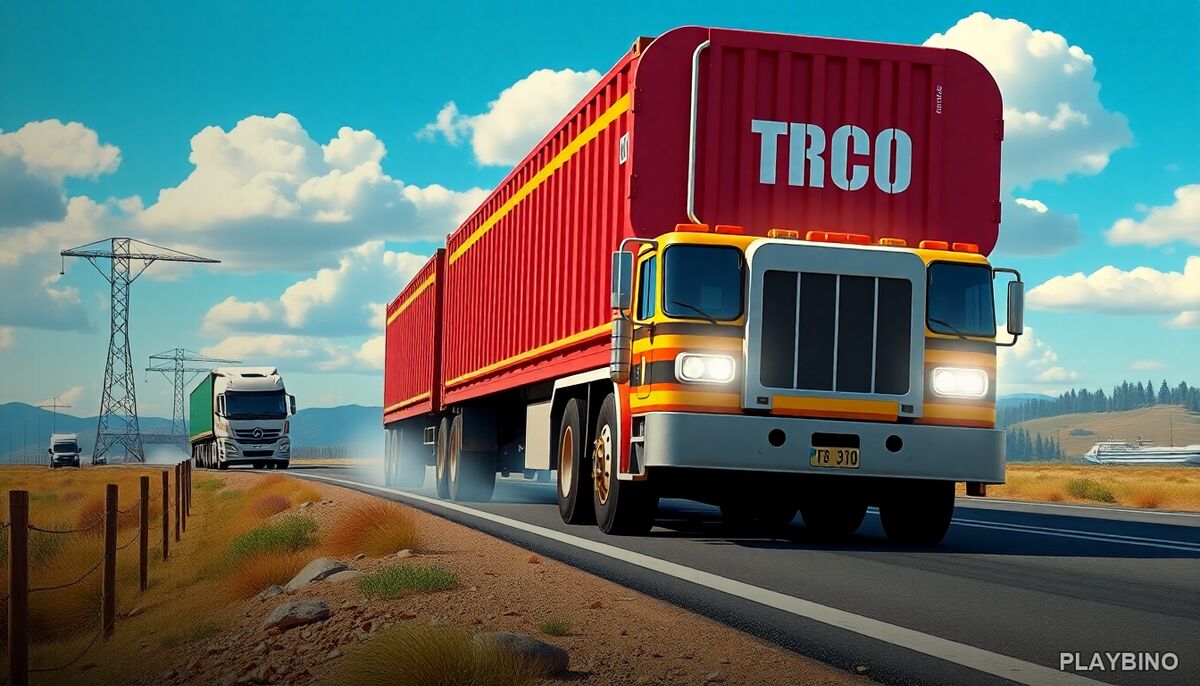
Truck Heavy Transporter is a simulation game built around the tension of moving oversized cargo across routes that punish impatience. Unlike arcade racing where speed wins, this game rewards smooth inputs, careful braking, and reading the road ahead. The physics respond to every steering correction, and a heavy load amplifies every mistake. Play the full hauling experience on PlayBino and see how quickly a routine delivery can become a precise balancing act.
The Core Challenge
Every mission starts with a loaded truck and a destination. Between those two points are winding mountain roads, steep descents, industrial crossings, and tight delivery zones. The cargo is not static — it shifts with momentum, which means hard braking or sharp cornering can damage the load even if the truck itself stays on the road.
This creates a constant negotiation between speed and control. Delivery deadlines push you to move faster, but the terrain and cargo weight push back. Finding that balance is the central skill the game develops across its missions.
Terrain Types
Routes vary between industrial zones with tight turns and elevation changes, open highways where maintaining lane discipline matters, and remote roads where surface grip drops. Each environment demands a different approach to throttle and steering.
Load Behavior
Heavier cargo takes longer to settle after a bump or turn. Lighter loads are more forgiving but still punish reckless driving. As missions progress, the cargo becomes more sensitive and the routes more demanding, so techniques that worked early need to be refined.
Controls and Handling Feel
The truck handles with deliberate weight. Acceleration builds slowly, and braking requires planning well ahead of corners. Steering input needs to be gradual — cranking the wheel hard at speed will cause the load to sway or the truck to lose traction on loose surfaces.
Over time, the handling becomes intuitive. You start to feel when a corner requires early braking, when a hill demands steady throttle to avoid stalling, and when a delivery zone needs a slow crawl to park without cargo damage. That progression from clumsy to confident is one of the more satisfying parts of the skill loop.
Mission Progression and Difficulty
Early missions introduce basic routes with moderate loads and generous deadlines. These function as a natural tutorial — the game lets you build confidence before layering in complexity. Later missions combine all the hazards: narrow roads, heavy cargo, strict time limits, and precise parking requirements at the destination.
- Cargo damage is tracked and affects mission scoring
- Deadlines tighten as routes grow longer and more complex
- Parking precision matters — sloppy final positioning can cost points even after a clean run
- Terrain hazards increase in later stages, including steeper inclines and sharper bends
Strategy for Cleaner Deliveries
The most consistent improvement comes from braking earlier than feels necessary. Most cargo damage happens because players brake too late and the load lurches forward. Anticipating corners by 2 to 3 truck lengths gives the cargo time to settle before the turn begins.
On steep descents, use light throttle to control speed rather than relying entirely on brakes. Constant braking on long downhill sections can cause the truck to drift, especially with a full load. Keeping a small amount of engine resistance active helps maintain a steady descent speed.
For tight parking zones, slow to a near crawl before entering. The final few meters of a delivery are where cargo damage spikes for most players. A slow approach with small steering corrections consistently scores better than a fast final push.
A Similar Simulation to Explore
If the hauling mechanics here appeal to you, this comparable truck simulation covers Grand Truck Simulator, another browser game that puts you behind the wheel of a heavy vehicle across varied routes. The two games share a focus on vehicle weight and road awareness, making them a natural pair for anyone who enjoys driving simulation challenges.
"