Undead Horizons: Pirates Plague – Strategy, Survival, and the Cursed Seas
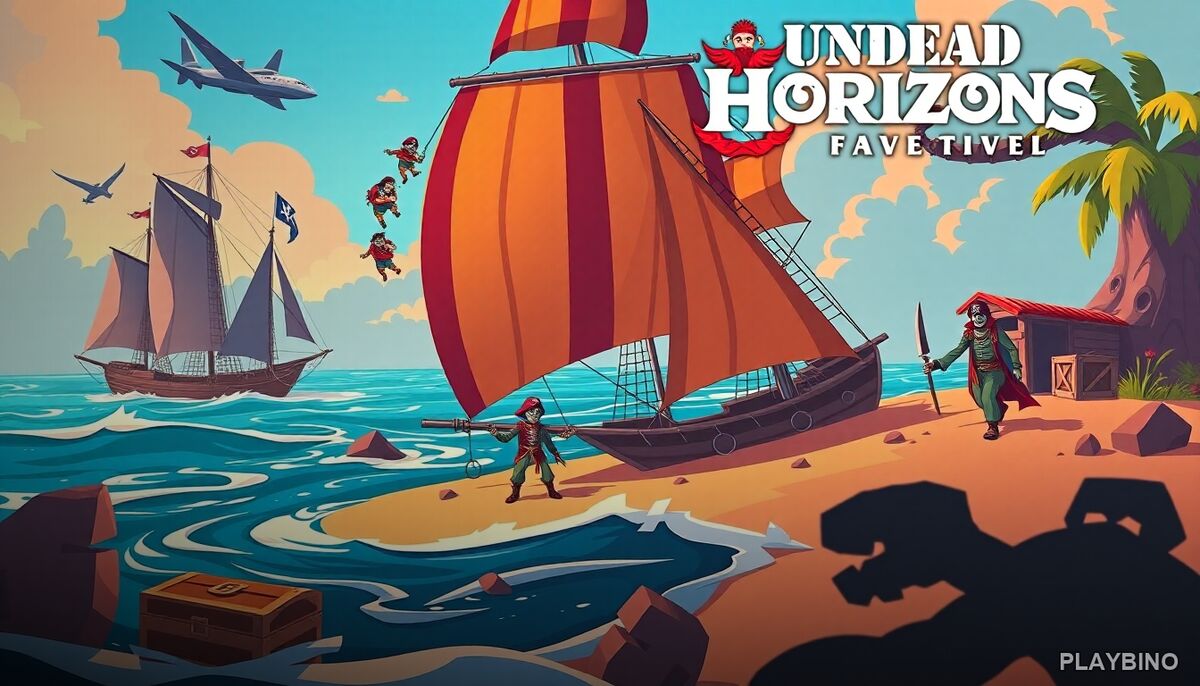
A Sea No Longer Safe
Fog rolls across the water. Rotting sails drift without wind. The ocean in Undead Horizons: Pirates Plague isn't a backdrop — it's a threat. This strategy RPG simulation drops you into a world where the plague has already won on land, and now it's spreading across every trade route and shipping lane. You're not conquering the seas. You're trying to survive them. Play it in your browser and you'll feel that pressure from the first decision you make.
Crew Management and Resource Pressure
The simulation layer here is serious. Your crew isn't just a stat — each member needs to be managed, deployed, and kept alive. Resources run thin quickly. Food, ammunition, repair materials — all of it competes for the same limited plunder you scrape together between encounters. Deciding where to sail next isn't just about exploration. It's a calculation: what can you afford to risk, and what happens if you lose another crew member to the next wave of undead?
Scarcity as a Design Choice
The game doesn't hand you breathing room. Threats arrive before you feel ready, and that's intentional. The RPG progression gives you tools over time — better weapons, stronger crew abilities, upgraded ship components — but the early game teaches you to operate lean. Waste resources on the wrong upgrade and you'll feel it two encounters later.
Where to Spend Your Plunder
Combat rewards matter, but so does restraint. Prioritize hull integrity and crew health early. Offensive upgrades come into their own once you've stabilized your survival loop. Rushing damage output before you can sustain a fight tends to end runs faster than expected.
Combat on the Water
Battles here blend tactical decision-making with real-time pressure. You're not just clicking through menus — positioning, timing, and crew assignments all factor into how a fight plays out. The undead enemies aren't mindless in terms of threat design. Some hit hard, some overwhelm through numbers, and some carry abilities that punish passive play. Learning enemy patterns matters as much as leveling up your stats.
The Narrative Backbone
What separates this from a pure survival grind is the story threading through the chaos. Quests and exploration gradually reveal the origins of the plague — who unleashed it, why the curse spread across the water, and whether anything can stop it. The atmosphere carries weight: moonlit wreckage, fog-choked horizons, and the persistent sense that something larger is still moving beneath the surface. Following the narrative to its end gives the strategy layer a purpose beyond raw survival.
What Kind of Player Fits This Game
If you enjoy strategy games that punish careless play, RPG progression that feels earned, and zombie-themed simulation with genuine atmosphere, this sits in a comfortable space. It rewards patience and planning over reflex. The zombie theme isn't just cosmetic — the undead mechanics shape how you approach every encounter and resource decision.
- Strategy and RPG progression layered together
- Crew and resource management with real consequences
- Zombie enemies with varied combat behaviors
- Narrative quests that contextualize the survival loop
- Oceanic setting with strong atmospheric design
A Different Kind of Zombie Survival
Zombie survival games take many forms across browser gaming. Cowboy Survival Zombie — a different take on the undead survival genre — puts you in a land-based setting with its own resource and combat rhythms. Comparing the two shows how much the environment shapes the tension. On PlayBino, both approaches are worth your attention if the zombie strategy space interests you.