Warriors Line Up: Combat Mechanics, Strategy Tips, and What to Expect
What Kind of Game Is This?
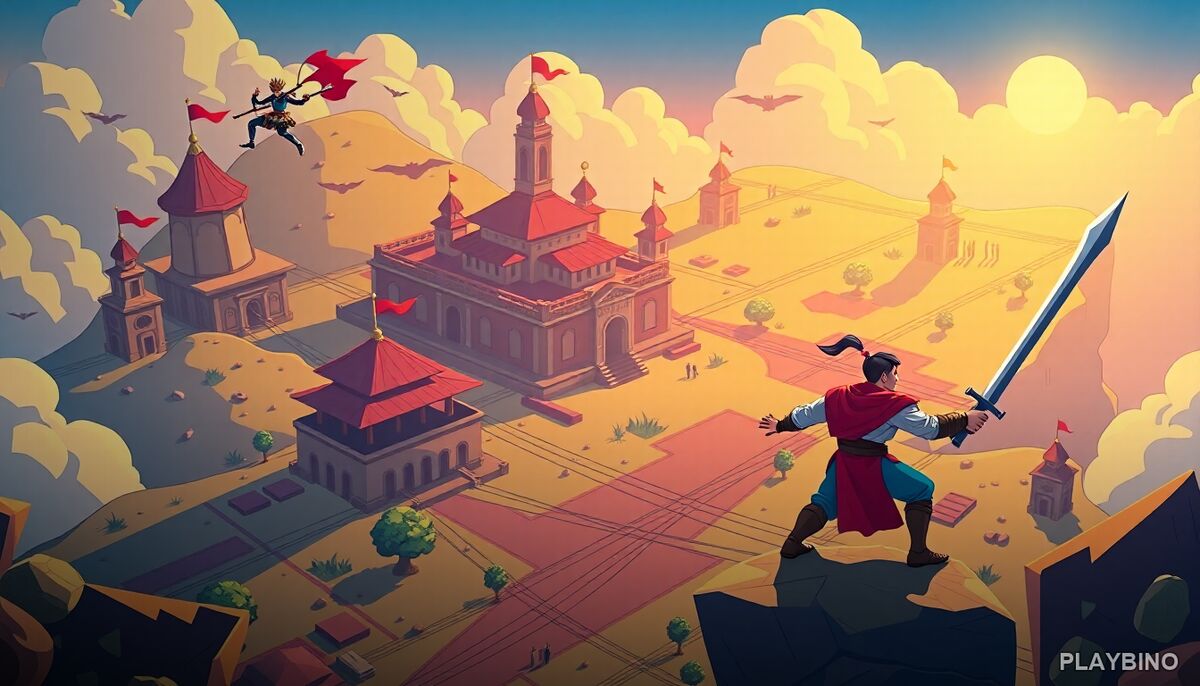
Warriors Line Up drops you into wave-based combat where enemies close in from multiple directions and every second of hesitation costs you. It sits firmly in the action arcade space — the kind of one-player experience built around short, intense bursts of gameplay that demand focus rather than patience. The pace is brisk from the start, and it only accelerates as waves progress.
If you want to jump straight in, try the full run in your browser before reading further — the mechanics click faster through play than through description.
Combat Flow and Movement
The core loop centers on your warrior dashing between enemies to land strikes while simultaneously reading incoming attacks. This isn't a game where you stand still and trade hits. Movement is the primary tool. Knowing when to close distance and when to retreat separates clean runs from chaotic ones.
Timing Your Strikes
Each enemy has a readable attack window. Landing your strike just before an enemy commits to their swing lets you interrupt the threat and reposition. The controls are responsive enough that mistimed moves feel like player error rather than input lag, which keeps the feedback loop honest and satisfying.
Dashing and Positioning
Dashing isn't just an escape tool — it's how you chain attacks across grouped enemies. When surrounded, a well-timed dash through a cluster can set up multi-hit sequences that clear space quickly. Learning the reach of your dash relative to enemy spacing is one of the first real skills the game rewards.
Enemy Variety and Adapting Your Tactics
The game introduces different enemy types as waves advance, and each one behaves differently. Some charge directly, others hang back and attack at range, and a few require you to bait their moves before punishing them. This variety prevents the combat from settling into a single repeatable pattern.
Facing a mixed wave — where fast melee enemies and slower ranged ones appear together — forces you to prioritize targets on the fly. Clearing the faster threats first usually reduces incoming damage, but sometimes eliminating a ranged attacker early prevents chip damage that compounds over a long wave.
Special Abilities and When to Use Them
Special abilities charge during combat and offer powerful attacks capable of clearing groups or dealing heavy damage to tougher enemies. The temptation is to save them for emergencies, but using them proactively during dense waves often produces better results than holding them until you're already overwhelmed.
- Abilities build from active combat — staying aggressive charges them faster.
- Using an ability mid-wave rather than at the start preserves momentum.
- Against high-health enemies, abilities reduce the time you spend exposed in close range.
- Pairing a dash with an ability activation can extend its effective range.
Visuals, Accessibility, and Who This Suits
Bright visuals and smooth animations do real work here. During chaotic multi-enemy moments, the clarity of the art style means you can track threats without squinting at the screen. Attack telegraphs are readable, and the color contrast between your warrior and enemies keeps spatial awareness manageable even when the screen fills up.
New players will find the early waves forgiving enough to learn movement patterns without constant punishment. Practiced players will find that mastering ability timing and dash chaining creates a noticeably different experience — faster, cleaner, and more controlled. The gap between a first run and a skilled run is wide enough to make progression feel meaningful.
Goal Arena 3D takes a completely different approach to arcade action — that one's worth a look if you want contrast after a few Warriors Line Up sessions.
Why the Arcade Format Works Here
Wave-based arcade combat lives or dies on pacing, and Warriors Line Up handles it well. The difficulty climbs steadily rather than spiking unpredictably, which means each wave feels like a natural escalation rather than a wall. PlayBino hosts the game directly in the browser with no downloads required, making it easy to pick up for a few minutes or grind through longer sessions. The accessible control scheme removes friction, so the mental energy goes entirely toward reading enemies and managing the fight rather than wrestling with complicated inputs.