Water World Match: Underwater Tile Puzzle Guide
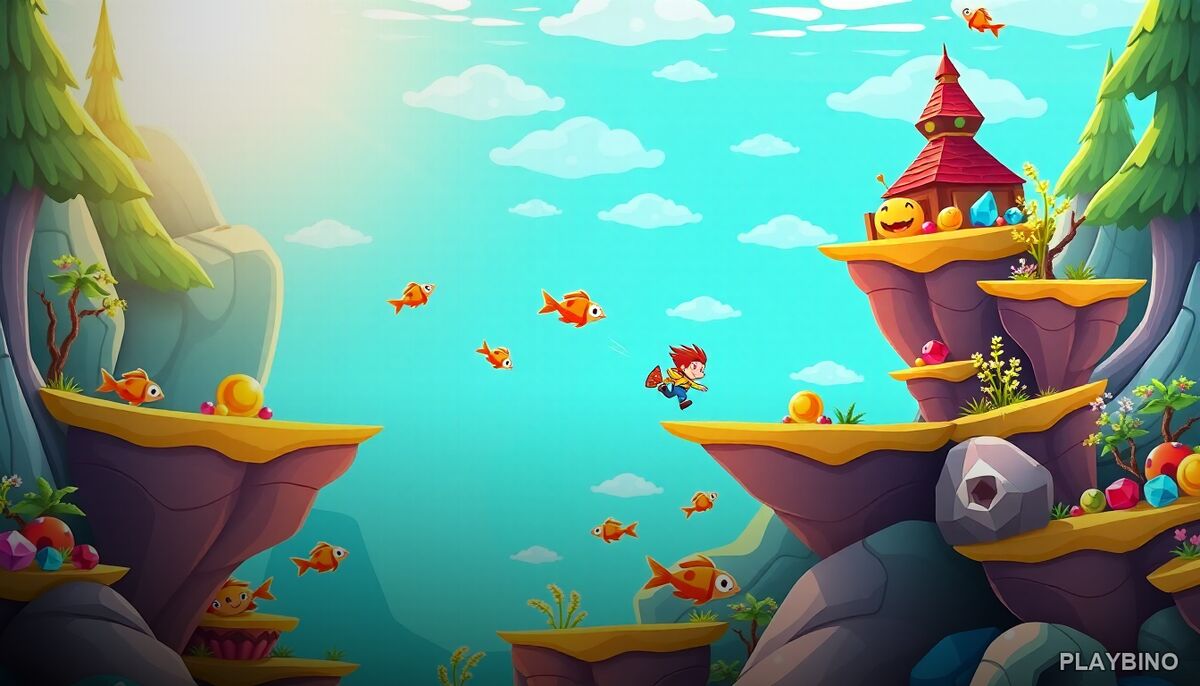
An Ocean of Tiles Waiting to Be Cleared
Not every puzzle game needs a dramatic premise. Sometimes a calm underwater setting, a grid full of colorful fish tiles, and a clear objective are all it takes to pull you in. Water World Match builds its experience around exactly that — a match-3 puzzle set beneath the waves, where each board presents a fresh arrangement of tiles that need to be paired and cleared before your moves run out. You can play it directly in your browser without any downloads or setup.
How the Matching Mechanic Works
The core loop is straightforward: scan the board, find two identical tiles, and connect them to remove the pair. Each successful match triggers a small visual effect — bubbles, a flash of color — that makes the clearance feel satisfying rather than mechanical. The puzzle challenge comes not from complex rules but from the board layout itself. Tiles are scattered across the grid, and not every match is immediately obvious.
Reading the Board
Before making a move, it helps to scan the full board rather than grabbing the first pair you spot. Some tiles are positioned near clusters that will open up better combinations after a removal. Thinking one or two moves ahead becomes more important as the levels progress and the variety of fish types increases.
Move Limits and Level Goals
Each stage has a set number of moves. Clearing all required tiles within that limit advances you to the next level. Running out of moves before completing the goal means replaying the stage. This constraint is what gives the puzzle its tension — the board may look manageable, but inefficient matching can leave you short at the end.
Difficulty Progression
Early levels introduce a small range of tile types and relatively open layouts. As you move further into the game, new fish varieties appear and the board arrangements become denser and less forgiving. The steady increase in complexity keeps the puzzle from feeling repetitive. Each new stage requires a slightly different approach, whether that means prioritizing certain tile types or working from one corner of the board outward.
Controls and Accessibility
The input system is minimal by design. A mouse click or a tap on a touchscreen is all it takes to select and match tiles. There are no complicated gestures or multi-step inputs. This makes the game comfortable to pick up on both desktop and mobile browsers, and it means the focus stays entirely on the puzzle logic rather than on learning controls.
- Mouse or touchscreen input supported
- No tutorial required — mechanics are self-explanatory
- Works across browsers without installation
- Short sessions possible — each level takes a few minutes
The Aquatic Visual Style
The underwater theme is consistent throughout. Tile designs use distinct fish illustrations that are easy to differentiate at a glance, which matters when you're scanning a busy board quickly. The background maintains a calm oceanic atmosphere that contrasts nicely with the mental effort of solving each puzzle. It's the kind of visual design that doesn't distract — it supports the experience without competing with it.
Who This Puzzle Suits
Water World Match works well for players who enjoy single-player puzzle games with a clear structure and gradual challenge. The match-3 format is familiar enough that no prior experience is needed, but the move-limited levels add enough pressure to keep experienced puzzle players engaged. If you're looking for something with a completely different kind of challenge, Duck Hunting: Open Season offers a different take on browser gaming worth exploring on PlayBino. But for a relaxed yet mentally engaging puzzle session, the underwater tile format here delivers a clean, well-paced experience.
"