Watermelon Merge 3: Fruit Merging Puzzle Strategy and Tips
What You're Actually Doing
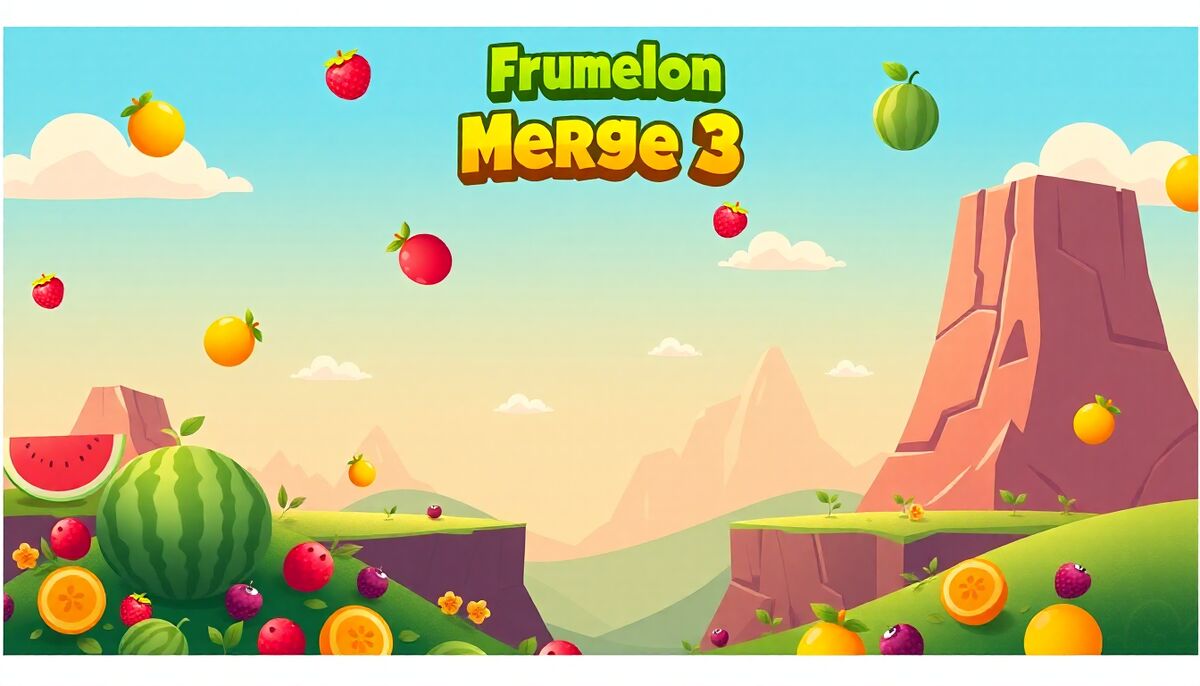
Drop fruits into a container. Match two identical ones and they merge into the next size up. Keep merging until you build a watermelon — the largest fruit in the chain. That's the core loop of this fruit merging puzzle, and it's deceptively simple until the container starts filling up.
You begin with small berries and grapes. Each successful merge produces a slightly larger fruit, which then tumbles and settles inside the container using physics. The unpredictability of how fruits land is what separates a clean run from a chaotic one. Two fruits that look like they'll merge can bounce apart, leaving you with a gap you didn't plan for.
Placement Is Everything
The single most important skill in Watermelon Merge 3 is deciding where to drop each fruit before you release it. Dropping blindly fills the container fast and leaves mismatched fruits stacked in awkward positions. Dropping with intention creates chains — one merge triggers another, clearing space and building momentum.
Stacking Strategy
Try to keep same-size fruits close together horizontally. When two matching fruits are side by side, they merge quickly and the resulting larger fruit often lands in a useful spot. Stacking mismatched fruits on top of each other is where runs fall apart.
Managing the Edges
Fruits near the container walls tend to get pinned. A large fruit wedged into a corner is hard to merge because there's rarely a matching one close enough. Keeping the center of the container active gives you more options and delays overflow longer.
The Physics Factor
The physics engine is what makes each session feel different. Fruits don't just stack neatly — they roll, bounce, and settle in ways you can't always predict. A grape dropped onto a pile might roll left instead of staying put, landing next to a matching grape and triggering an unexpected merge. That randomness is frustrating at first, but learning to read how fruits behave on different surfaces becomes part of the skill.
Larger fruits are heavier and compress the pile when they land. This can actually work in your favor — a big fruit dropping into the center can push smaller fruits together and cause chain merges without you doing anything extra.
Scoring and Progression
Points come from every merge. Larger merges score more, so chaining multiple merges in one drop is the fastest way to build a high score. Reaching the watermelon stage is satisfying, but the real competition is in how efficiently you get there and how many times you can repeat the cycle before the container overflows.
- Each fruit tier scores progressively more points on merge
- Chain merges in a single drop multiply your scoring potential
- Surviving longer means more opportunities for high-value merges
- Overflow ends the run immediately, so container management matters as much as scoring
Who Plays This Well
Players who enjoy match-3 logic and spatial puzzles tend to adapt quickly. The one-player format means there's no time pressure from opponents — just the slow creep of a filling container. That makes it a good fit for anyone who prefers thinking over reacting, though the physics add enough chaos to keep experienced players on their toes.
If you enjoy this style of merge puzzle, the Suika Animals variation takes a similar concept in a different visual direction — that animal-themed take on the genre is worth comparing once you've built a feel for the core mechanics here.
Getting Your Score Higher
A few habits separate average runs from strong ones. First, never drop a fruit without checking what comes next — knowing your upcoming fruit lets you plan two moves ahead. Second, prioritize clearing mid-sized fruits before they pile up, because a container full of medium fruits is harder to resolve than one with a mix of small and large. Third, resist the urge to fill corners early. Open corners give you an escape route when the center gets crowded.
PlayBino hosts the full version with smooth animations and the complete fruit chain, so the visual feedback on each merge is clean and readable even when the container gets busy.