Watermelon Merge 5: Physics Puzzle Strategy and Tips
What You're Actually Doing
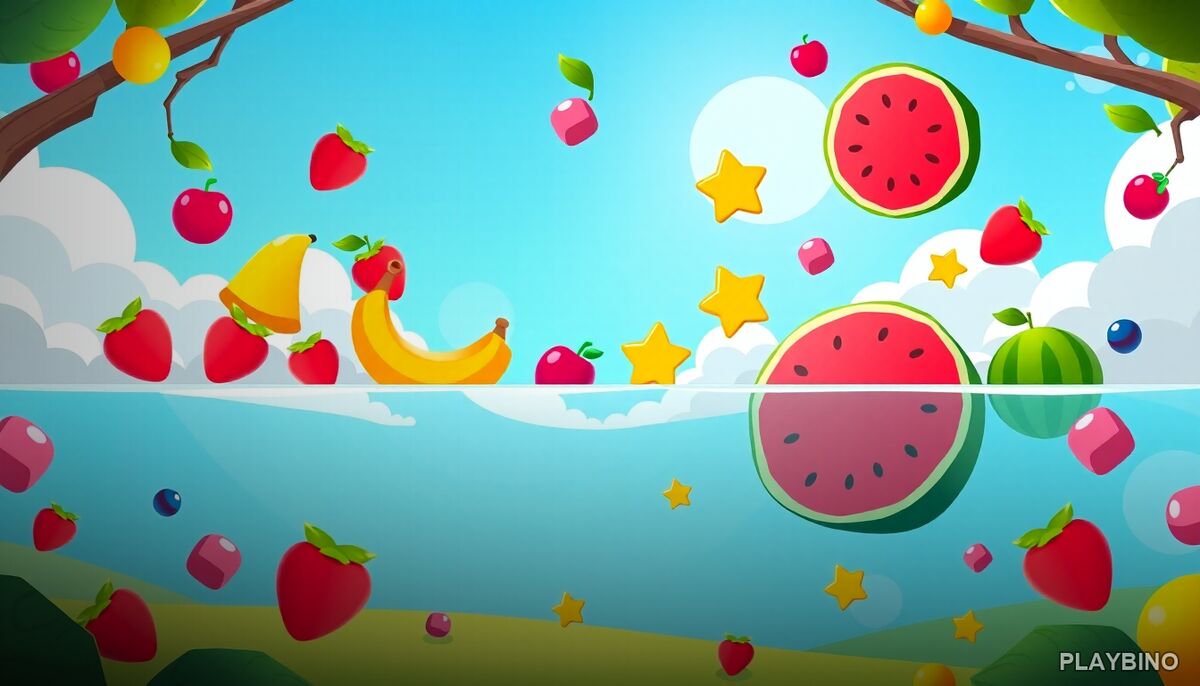
Drop a cherry. Watch it land. Drop another. They collide, merge into a slightly larger fruit, and the cycle begins. Watermelon Merge 5 is built around a deceptively simple loop: combine matching fruits in sequence, working from the smallest cherry up through grapes, oranges, and melons until you produce a massive watermelon. The container fills fast, and the physics engine means nothing lands exactly where you expect. You can try the full challenge in your browser without any downloads or setup.
The Merge Sequence and Why It Matters
Each fruit in the chain represents a step forward. Merging two cherries creates a strawberry. Two strawberries become a grape. Two grapes produce something larger, and so on. The sequence is fixed, which means your entire strategy revolves around understanding which fruits are currently in the container and which merges are realistically available.
Early rounds feel relaxed. You have room to experiment, and accidental merges happen naturally. Once the stack climbs past the halfway mark, every drop carries weight. A poorly placed orange in a crowded corner can block three potential merges and effectively end your run.
Reading the Container
Before each drop, scan the top layer of the pile. Look for matching pairs sitting close together. If two grapes are separated by a strawberry, consider whether dropping another strawberry nearby could clear the gap. Thinking two or three moves ahead is what separates a 500-point run from a 2000-point one.
Physics and Placement
The physics simulation is central to how the game feels. Fruits bounce, roll, and settle unpredictably. A watermelon dropped from height will shift smaller fruits beneath it. A cherry placed near the wall may slide inward. This unpredictability is not a flaw — it is the puzzle. Learning how different fruit sizes behave under gravity is a skill that develops over multiple sessions.
Drop Height and Angle
You control where each fruit drops along the horizontal axis. Dropping near the center gives the fruit more room to settle. Dropping near the edges can wedge fruits into corners, which is sometimes useful for stabilizing a wobbly stack but often creates dead zones where merges cannot happen. Aim for gaps rather than peaks whenever possible.
Scoring and Pressure
Points accumulate with each successful merge. Larger merges score more, so chasing the watermelon is both the strategic goal and the primary scoring opportunity. The game ends when the stack exceeds the container's upper boundary, so the pressure is constant once the pile grows tall.
- Small merges keep the game alive but score modestly
- Larger fruit merges clear significant space and boost your score
- Chain reactions — where one merge triggers another — are the highest-value plays
- Leaving gaps in the pile creates instability and wastes space
Why the Loop Keeps You Playing
There is a particular satisfaction in watching two large melons collide and vanish into a single massive fruit. The merge animation and the brief moment of relief when space opens up create a rhythm that arcade and puzzle fans will recognize immediately. Sessions are short enough to feel low-commitment but engaging enough that starting another round is automatic.
Melon Maker offers a comparable take on this concept — that similar fruit-merging experience is worth exploring if this style of puzzle clicks for you. Both games share the same core tension between placement decisions and physics chaos.
Who This Game Suits
If you enjoy arcade puzzles that reward spatial thinking without requiring fast reflexes, Watermelon Merge 5 fits well. The strategy layer is real but never overwhelming. PlayBino hosts it as a browser game, meaning you can pick it up between tasks or during a break without any friction. The colorful presentation keeps the atmosphere light even when the container is dangerously full, and the one-more-run quality is genuine rather than forced.