Weighted Seesaw: Balance Puzzles That Demand Real Logic
What Kind of Game Is This?
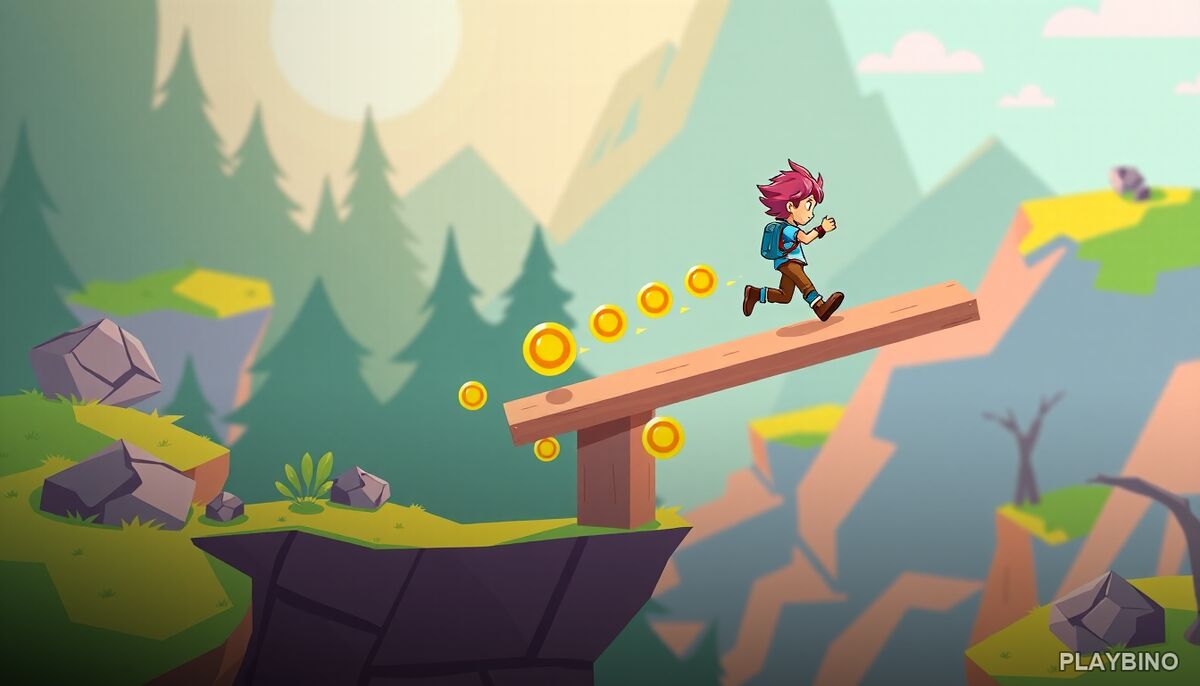
Weighted Seesaw is a logic and skill puzzle built entirely around one concept: balance. Every level gives you a tilting platform and a set of objects to place on it. The physics engine responds to every decision in real time, so a careless drop can send the whole thing crashing before you even finish your turn. Play it directly in your browser and you'll immediately feel how much thought each move requires.
The Core Mechanic: Weight and Position
The fundamental challenge is understanding that two variables control everything — how heavy an object is, and where exactly you place it. A heavy block dropped near the edge of the seesaw creates enormous leverage. A lighter piece placed at the far end can counteract something much heavier sitting close to the center. That relationship between mass and distance is the entire puzzle.
Heavier Objects
Large weights need to land close to the pivot point or be balanced immediately by something on the opposite side. Drop one too far out and the platform tips fast. These pieces tend to define the structure of your solution, so it helps to place them first.
Fine-Tuning with Light Pieces
Smaller objects act as corrections. Once your heavier weights are roughly in place, lighter pieces let you nudge the balance toward equilibrium. Treating them as precision tools rather than afterthoughts is often the difference between a solved puzzle and a failed attempt.
How Levels Escalate
Early stages keep things clean — a few objects, a stable platform, a clear solution path. As you progress, the game introduces new variables that shift the logic considerably. Some levels add moving platforms that require you to time your placements rather than simply calculating position. Others stack multiple seesaws in sequence, where the tilt of one affects the next.
The weight types also diversify. Some objects have irregular shapes that affect how they sit on the surface. Others may shift slightly after landing, meaning your calculated placement can drift. Adapting to these new mechanics without losing the core logic is what keeps the puzzle design feeling fresh across longer play sessions.
Strategy: Patience Over Speed
Rushing placements is the most common mistake. The physics system is realistic enough that a near-perfect configuration can still fail if one piece lands at a slight angle. Taking time to observe how the platform reacts after each placement — rather than dropping everything at once — leads to much cleaner solutions.
- Place the heaviest objects first to establish your baseline balance.
- Use lighter pieces to correct small tilts rather than repositioning large ones.
- On timed levels, plan your sequence mentally before touching anything.
- When a configuration almost works, small lateral adjustments often solve it without starting over.
- Experiment freely — the game rewards testing different configurations before committing.
The Feel of a Solved Puzzle
There's a specific satisfaction when the seesaw finally settles level. The physics don't snap into place artificially — the platform genuinely slows its rocking and comes to rest, which makes the resolution feel earned. That tactile feedback loop is what separates a well-designed balance puzzle from a static logic grid. The game uses its physics not just as a mechanic but as the primary reward signal.
Players who enjoy spatial reasoning and deliberate problem-solving will find a lot to work through here. The puzzle structure never feels arbitrary, and even failed attempts tend to teach you something about the weight relationships involved. Cat Trap Labyrinth Escape takes a completely different approach to logic puzzles — that puzzle challenge is worth exploring if you enjoy thinking through confined movement and trap-based spatial problems.
Who Will Enjoy Weighted Seesaw
This is a game for players who like understanding systems. If you find satisfaction in working out why something failed and adjusting accordingly, the progression here will hold your attention well past the introductory levels. PlayBino hosts the game with no download required, so it's easy to pick up for a few puzzles or settle in for a longer session. The difficulty curve is gradual enough that new players won't feel lost, but complex enough that experienced puzzle fans won't run out of challenge quickly.