Wooden Bricks Vs Balls: Physics Shooting Puzzle Guide
What Kind of Game Is This?
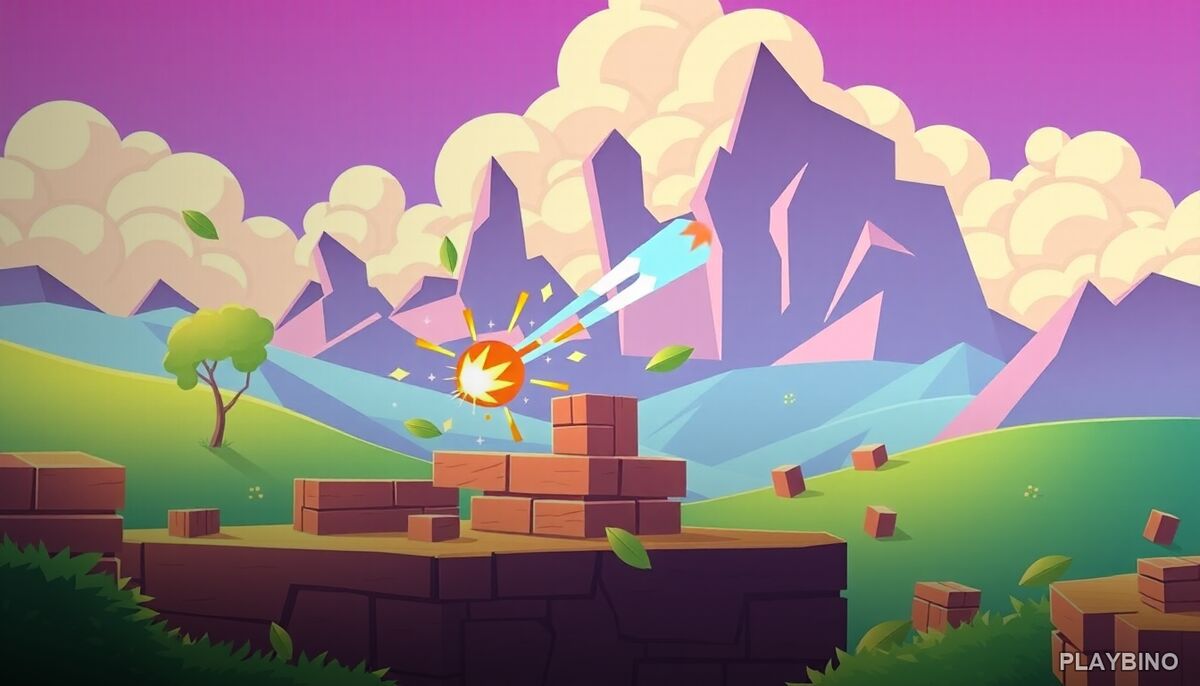
Wooden Bricks Vs Balls sits at the crossroads of shooting, puzzle, and skill gameplay. The core idea is simple: aim your ball, fire, and knock down wooden block structures. But the execution demands more thought than it first appears. Each level is a small physics puzzle where the arrangement of blocks, the angle of your shot, and the number of balls available all push you toward careful planning rather than rapid fire.
The game runs entirely in the browser, which means no downloads and no setup. The online version loads quickly and keeps the interface clean, letting the actual gameplay take center stage from the first level.
How the Shooting Mechanics Work
Each stage places a wooden structure on screen and gives you a limited supply of balls. You aim by positioning your shot angle, then release. The ball travels in a straight line and hits whatever is in its path, triggering a chain of physics reactions depending on how the blocks are stacked.
Ball Trajectory and Angles
Angling shots correctly is the central skill here. A ball fired too high clips the top of a structure without collapsing it. A shot too low might knock out a base block and send everything tumbling, or it might just roll past. Reading the structure before shooting is what separates wasted attempts from clean clears.
Limited Balls Per Stage
The shot limit is what turns each level into a genuine puzzle. With unlimited balls, most structures would fall eventually. The constraint forces you to think about which blocks are load-bearing, which pieces will cascade when hit, and whether a single well-placed shot can do the work of three poor ones.
Block Formations and Level Design
Early levels use straightforward stacks that fall with minimal effort. As difficulty increases, the formations become layered, offset, or deliberately awkward. Some structures have protected blocks tucked behind others. Some use wide flat arrangements that resist toppling. A few levels introduce tight groupings where one shot needs to thread through a gap to reach a critical support block underneath.
The variety in block arrangement is what keeps the puzzle feel alive across hundreds of levels. No two stages feel identical once the difficulty ramps up, and the game consistently introduces new spatial challenges without needing to explain them through tutorial text.
Strategy Tips That Actually Help
- Always scan the full structure before firing. Look for the weakest point or the block that supports the most weight.
- Base blocks matter most. Removing a foundation piece often collapses multiple layers above it.
- Aim for gaps when structures are layered. A ball that passes through an opening can hit interior blocks that surface shots cannot reach.
- Count your remaining balls before the final shot. Sometimes holding back one ball and reassessing is smarter than committing.
- Watch how the first shot lands. If part of the structure wobbles but does not fall, the next shot should target that unstable area immediately.
Who This Game Suits Best
Players who enjoy physics-based puzzles and precision shooting will find a lot to work through here. The challenge is not about reaction time or fast fingers. It is about spatial reasoning, angle calculation, and learning how stacked objects behave when force is applied. The satisfaction of watching a carefully aimed shot collapse an entire structure in one go is a consistent reward throughout.
Candy Cat Shot is another browser title that blends shooting mechanics with puzzle logic, and that game has its own set of mechanics worth exploring if this style of aim-based gameplay appeals to you.
Accessibility and Replay Value
The controls require nothing more than a mouse or touchscreen tap, making the game easy to pick up at any point. Visuals are clean and uncluttered, which helps when reading complex block arrangements. PlayBino hosts hundreds of levels, and the progressive difficulty curve means there is always a harder formation waiting once the current one is solved. The game does not pad its length with repetitive stages. Each new level tends to introduce a fresh structural challenge that requires a slightly different approach than the one before it.
"