Woodoku Block Puzzle: Grid Strategy and Wooden Calm
What Kind of Puzzle Is This?
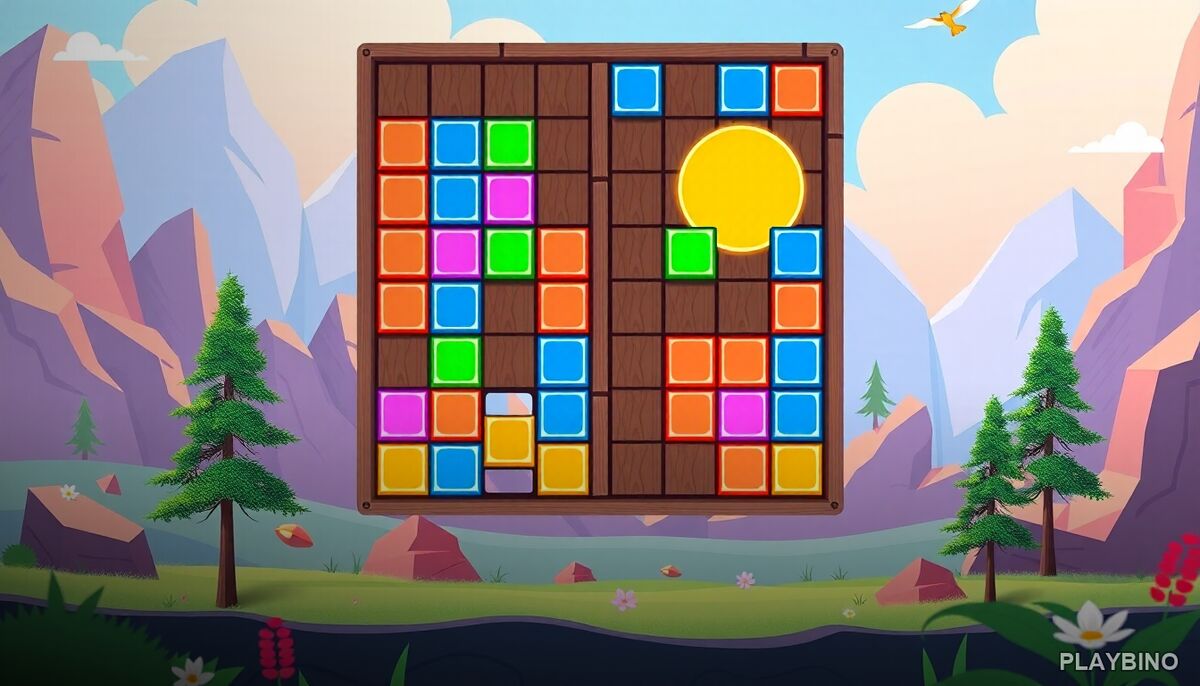
Block-placement puzzles have a particular pull — the satisfaction of fitting shapes together cleanly, watching rows vanish, and reclaiming space on a crowded grid. Woodoku Block Puzzle leans into that feeling with a warm wooden visual style that keeps the experience calm even when the logic gets demanding. You can play it directly in your browser without any downloads or setup.
The core task is straightforward: place shaped pieces onto a grid so that complete rows or columns form and clear. Each cleared line frees up space and adds to your score. The challenge is that pieces arrive in sets, and you must place every piece in the current set before new ones appear. Running out of room ends the session.
How the Grid Works
The playing field is a square grid, and pieces come in irregular shapes — L-forms, T-shapes, single squares, long bars, and more. Unlike games where pieces fall automatically, here you choose where each piece lands. That extra control sounds like an advantage, but it shifts the pressure entirely onto your planning.
Clearing Lines
A row or column clears the moment every cell in it is filled. You can chain multiple clears from a single placement if your positioning sets it up correctly. Chained clears score higher and keep the board breathing. Learning to set up these chains — rather than just filling gaps reactively — is where the real logic puzzle begins.
Piece Sets and Timing
Pieces arrive in groups of three. You see all three before placing any of them, which means each placement should account for what the remaining two pieces need. Placing the largest piece first often opens better positions for the smaller ones, but that depends on what shapes you have and where the board is tightest.
Four Game Modes
One of the more practical features here is the choice of four distinct modes. Each shifts the challenge in a different direction:
- Classic — Standard endless play. Place pieces, clear lines, keep going until no valid moves remain.
- Time Attack — A countdown adds urgency. Clearing lines buys more time, so fast, accurate placement matters more than deep planning.
- Puzzle — Pre-set board states with a fixed set of pieces. The goal is to clear the board completely, making it a pure logic exercise.
- Zen — No pressure, no score pressure, just placement. Good for learning the grid or unwinding without stakes.
Switching between modes keeps the experience fresh. The Puzzle mode in particular is worth exploring — it turns the game into a brain-focused exercise with a clear solution to find rather than an open-ended survival run.
Strategy That Actually Matters
Most players start by filling corners and edges, which feels safe but often creates isolated gaps that no piece can reach. A better approach is to keep the center of the grid open and work outward, since irregular pieces tend to fit more naturally when there is room to rotate the logic in your head.
Slide Blocks — another block-based challenge with its own movement mechanics — takes a different approach to spatial reasoning, which makes it a useful contrast if you want to see how the genre handles movement versus placement.
Back in Woodoku, the most common mistake is placing pieces without considering what the next two in the set need. Even one poorly placed piece can leave a shape that blocks the other two from fitting anywhere useful. Scanning all three pieces before committing to the first placement is the single habit that improves scores most noticeably.
The Wood Aesthetic and Session Feel
The natural wood theme is not just decorative. The muted tones and soft textures reduce visual noise, which matters in a game where you spend time staring at a grid and thinking. Puzzle and brain games benefit from calm interfaces, and this one delivers that without stripping out the visual feedback that makes clears satisfying.
Sessions scale naturally. A quick five-minute run in Classic mode or Time Attack fits easily into a short break. The Puzzle mode can hold attention longer when a particular board state refuses to yield. PlayBino hosts the game with no interruptions, so the pacing stays in your control throughout.
Who This Game Suits
If you enjoy logic puzzles that reward spatial thinking over reflexes, the format here is a strong match. The absence of falling pieces or time pressure in most modes means the game respects deliberate play. There is no penalty for pausing to think, which makes it accessible without being shallow. The four modes also mean you can adjust the difficulty style rather than just the speed, which is a meaningful distinction for puzzle-focused players on PlayBino.