World of Alice Body Organs: Learn Human Anatomy Through Play
What This Game Is About
World of Alice Body Organs turns human anatomy into a hands-on discovery experience. Rather than reading facts from a textbook, players interact directly with colorful visuals of the human body, identifying organs and connecting each one to its role. The logic and memory mechanics keep the experience active — there is always something to recognize, match, or recall. Play it directly in your browser and the first lesson begins almost immediately, with no setup required.
How the Matching and Memory Mechanics Work
The core loop involves looking at a body organ — the heart, lungs, brain, stomach, and others — and either identifying it by name or matching it to its biological function. Correct answers unlock short bursts of new information, which then feed into the next challenge. This creates a rhythm where knowledge builds gradually rather than arriving all at once.
Memory Layer
Each session asks players to recall what they learned in previous rounds. An organ introduced early may reappear later in a slightly different context, reinforcing recognition. This spaced repetition approach is subtle but effective for younger players who benefit from seeing the same concept multiple times before it sticks.
Logic Layer
Some challenges go beyond simple identification. Players must reason about which organ performs a specific function, which encourages thinking rather than guessing. The puzzle structure rewards careful attention to the visual clues on screen.
Visual Design and Feedback
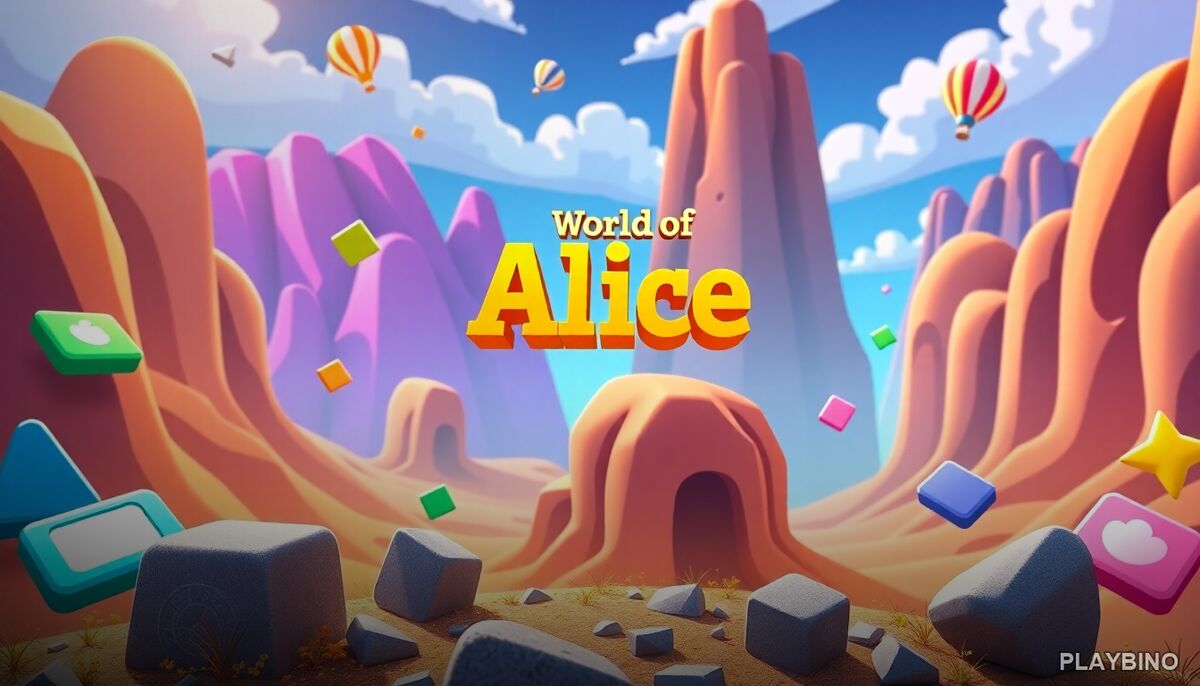
The art style is bright and deliberately non-intimidating. Organs are illustrated in a friendly, stylized way that avoids anything clinical or alarming. Encouraging feedback appears after each correct answer — a small but important detail that keeps younger players motivated to continue rather than feeling discouraged by mistakes.
The color palette is vivid, and each organ has a distinct visual identity, which helps children associate appearance with function more naturally than a labeled diagram would allow.
What Players Actually Learn
- The names and locations of major human organs
- The primary function of each organ within the body
- How different systems — digestive, respiratory, circulatory — relate to each other
- Basic biological vocabulary introduced through context rather than definition
The game does not overwhelm. It introduces concepts one at a time, giving players enough space to absorb each idea before the next one arrives. This pacing is one of the stronger aspects of the design.
Who This Game Suits Best
Younger players who are curious about science and biology will find this a comfortable entry point. The brain and memory puzzle format means there is genuine cognitive engagement, not just passive watching. Parents looking for screen time that doubles as learning will find the structure reassuring — every interaction has an educational purpose.
Frozen Learning The Body Online takes a comparable approach to body-based learning, and that anatomy challenge is worth exploring alongside this one if the subject matter connects with a child's interests.
Replay Value and Progression
Because the game builds knowledge incrementally, returning to earlier levels after completing later ones feels different — players notice details they missed the first time. PlayBino hosts the game with no download needed, so picking it up again between sessions is straightforward. The short round structure also makes it easy to fit into brief windows of free time without losing progress or momentum.