World of Alice Dino Colors: A Color-Matching Puzzle Game for Young Learners
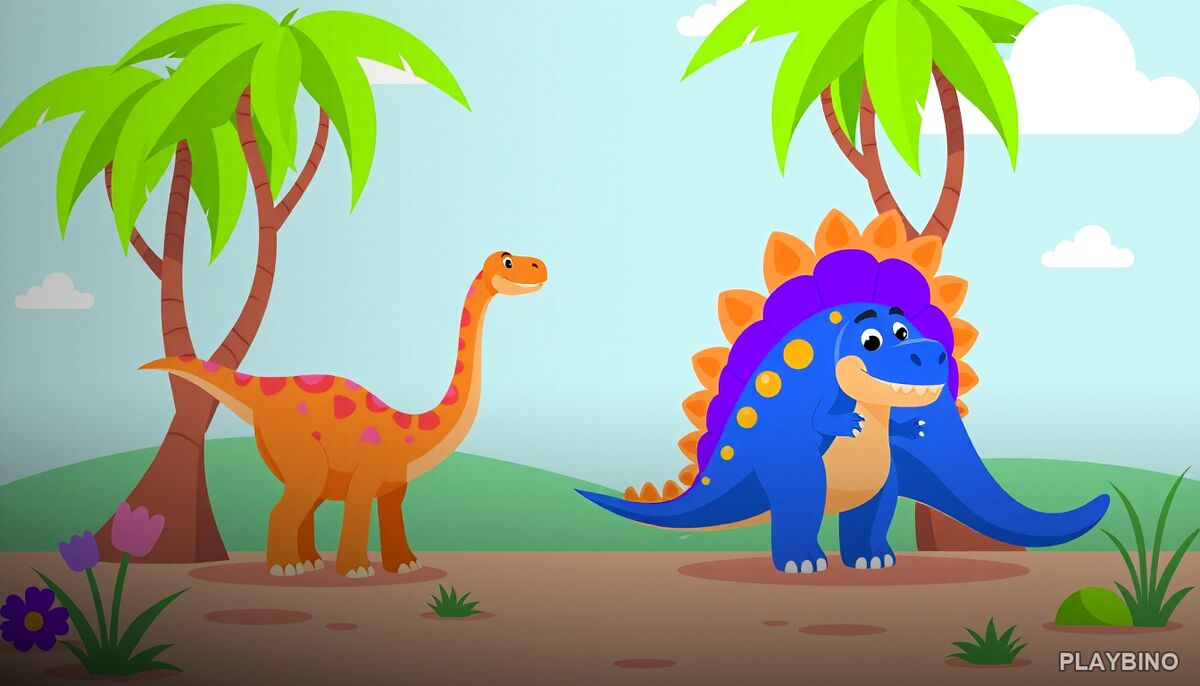
Painting Dinosaurs, One Color at a Time
Not every puzzle game needs timers, leaderboards, or complex rules. Some work best when they simply invite a child to look, think, and choose. World of Alice Dino Colors does exactly that. Each level presents a black-and-white dinosaur outline alongside a palette of vibrant colors. The child's job is to select the right shade and watch the dino come to life. You can try this color-matching experience on PlayBino directly in any browser, no download needed.
What the Player Actually Does
The core interaction is straightforward. A dinosaur appears on screen without color, and a set of colored options sits nearby. Players tap or click a color from the palette and apply it to the dino. If the choice matches what the game expects, an animation plays and a cheerful sound confirms the correct answer. Wrong choices are handled gently — there is no harsh buzzer or penalty, just a soft nudge to try again.
As players move through different scenes, the combinations become slightly more complex. Early levels use simple primary colors. Later stages may introduce mixed shades or ask players to match specific tones across multiple sections of the same dinosaur. The progression feels natural rather than sudden.
Palette and Selection
The color palette is large enough to offer real choices but not so overwhelming that it confuses a preschooler. Each swatch is clearly distinct, with strong contrast between options. This makes the visual decision-making accessible even for children who are just beginning to name colors confidently.
Feedback and Encouragement
Correct answers trigger short animations where the dinosaur moves, bounces, or reacts happily. This immediate visual reward reinforces the correct choice without requiring any reading. The game communicates entirely through sound and motion, which suits its target audience well.
Who This Game Is Built For
World of Alice Dino Colors is clearly designed for preschoolers and early learners, roughly ages three to six. The single-player brain puzzle format keeps things calm and focused. There are no opponents, no racing elements, and no complex scoring system. A child can pause, think, and experiment freely.
Parents looking for screen time that connects to early learning goals will find this useful. Color recognition is a foundational skill, and the game reinforces it through repetition across varied dinosaur characters and environments. Each completed dino unlocks a new character or scene, which gives young players a sense of progress without pressure.
Level Structure and Progression
- Early scenes use single solid colors applied to the full dinosaur body.
- Mid-game levels introduce multiple color zones on a single character.
- Later stages add more palette options, requiring closer attention to shade differences.
- Unlocking new dinosaurs and environments keeps the visual variety high.
- No time limit exists at any stage, allowing children to work at their own pace.
How It Compares to Similar Early Learning Games
The classroom and early education genre on browser platforms covers a wide range of activities. If your child enjoys structured learning play beyond color puzzles, this early education game experience around Kindergarten School Teacher covers a different set of classroom-style activities worth exploring alongside this one.
What sets World of Alice Dino Colors apart within this space is its singular focus. Rather than mixing math, letters, and colors into one package, it stays committed to color recognition from start to finish. That focus makes it easier for young children to build genuine confidence rather than jumping between unrelated concepts.
The Playful Visual Style
The art direction leans into bright, rounded shapes and friendly character designs. Dinosaurs look approachable rather than realistic, which suits the audience. Backgrounds shift between different environments as players progress, adding visual interest without distracting from the core color task. The overall aesthetic feels cohesive and intentional, not cluttered.
For a one-player brain puzzle aimed at the youngest end of the gaming audience, the production quality is solid. The combination of clear visuals, responsive feedback, and gentle pacing makes it a reliable choice for young children spending time on PlayBino.