World of Alice Memory Game: Card Matching in a Storybook World
What Kind of Game Is This?
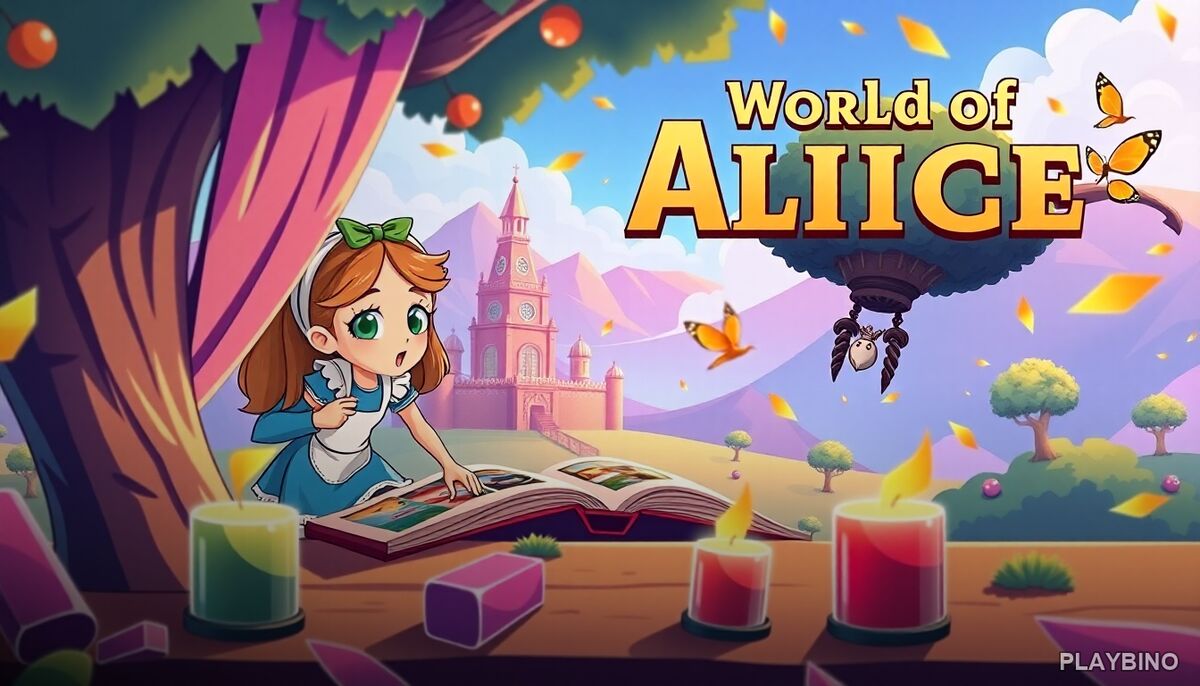
Card-matching puzzles have been around for decades, but the setting makes all the difference. World of Alice Memory Game wraps the classic concentration format inside a whimsical, fairy-tale visual style filled with characters and objects drawn from Alice's storybook world. The result is a solo puzzle experience that feels calm and inviting rather than rushed or competitive. If you want to try this browser memory challenge, the rules take about ten seconds to understand.
Core Mechanics and How the Grid Works
Each round starts with a grid of face-down cards. You flip two cards per turn. If the images match, the pair is removed from the board. If they don't, both cards flip back over and you continue. The entire challenge comes down to remembering what you saw and where it was positioned.
Card Reveal and Recall
The brief moment when a card is visible is where the real game happens. Paying attention during your opponent's misses — or your own — builds a mental map of the board. Early rounds use smaller grids, giving you a manageable number of pairs to track. As you progress, the grid expands and the number of unique images increases, which pushes your concentration harder.
Progression and Difficulty
The game scales naturally. Beginners encounter simple layouts with fewer cards, while later stages introduce larger grids that demand sharper recall. There are no timers forcing rushed decisions, which keeps the pacing relaxed and lets players think through each move without pressure.
The Visual Style and Atmosphere
The storybook aesthetic does real work here. Soft colors, illustrated characters, and themed card backs create an atmosphere that feels cohesive rather than generic. Younger players will find the imagery approachable, while adults who enjoy casual puzzle games will appreciate the clean design. The visuals also serve a functional purpose — distinctive, well-drawn images are easier to remember than abstract shapes, which makes the memory challenge feel fair rather than arbitrary.
What Actually Improves With Practice
Memory games reward repeated play in a specific way. Early sessions feel like guessing. After a few rounds, pattern recognition starts to kick in. You begin associating card positions with images before you've consciously registered the connection. This improvement loop is genuinely satisfying — you can feel yourself getting better, which motivates another attempt.
- Spatial memory: recalling where a specific card sits on the grid
- Visual recognition: quickly identifying and categorizing each image
- Concentration: staying focused across the full board rather than fixating on one area
- Sequential recall: remembering the order in which cards were revealed
Who Plays This and Why It Works
The single-player format suits anyone looking for a low-pressure mental exercise. It works well for short sessions — a few minutes between tasks — or longer focused runs when you want to clear the full board efficiently. The fairy-tale theme makes it genuinely suitable for younger players, but the puzzle depth keeps it interesting for adults too. There's no combat, no score penalty for wrong guesses, and no countdown clock in the base experience, which removes most of the stress that makes some puzzle games feel exhausting.
If themed memory puzzles appeal to you, the Christmas Ornaments Memory experience follows a similar card-matching structure with a seasonal visual theme worth exploring.
Strategy That Actually Helps
Random flipping rarely works past the first few levels. A more effective approach is to scan the board systematically — work left to right or in quadrants — so your mental map covers the whole grid rather than scattered positions. When you flip a card and don't find its match immediately, anchor its location to a nearby landmark on the board. This spatial anchoring technique reduces the chance of forgetting a card's position after several other turns have passed. PlayBino hosts the game in a clean browser format, so there's no loading friction between attempts, which makes replaying a level to improve your score quick and easy.