World of Alice Plant Game: Growing a Virtual Garden Through Play
What the Game Is About
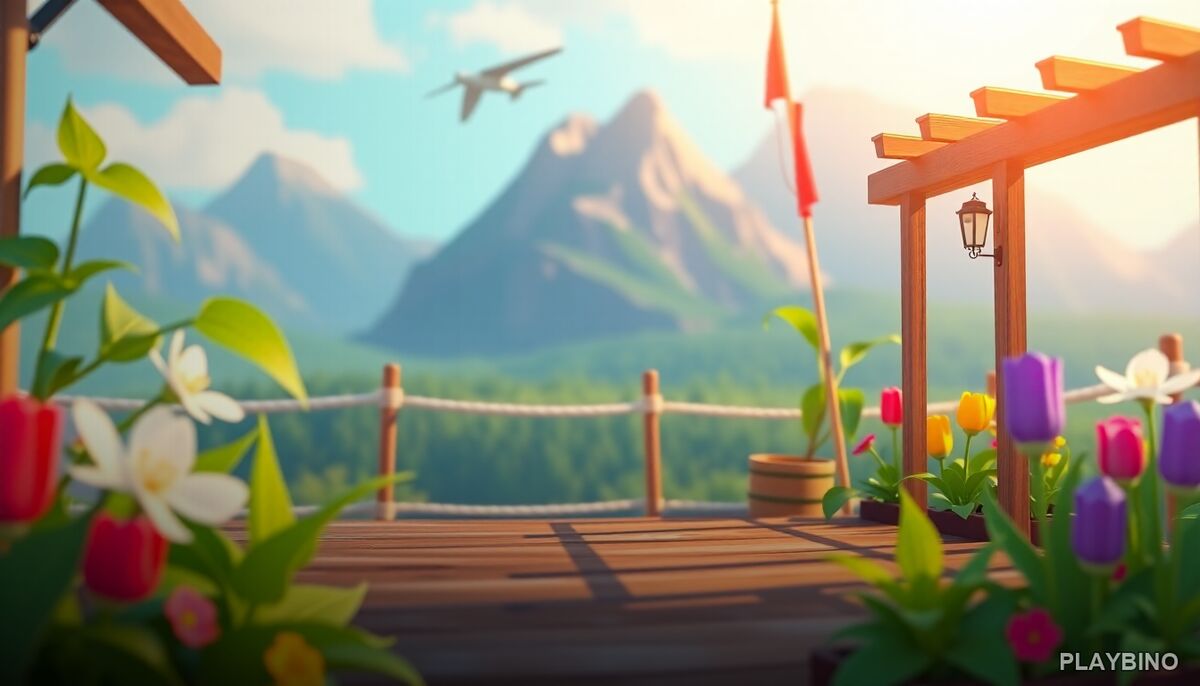
Gardening and early science concepts come together in World of Alice - Plant Game, a single-player simulation puzzle designed for younger audiences. The premise is straightforward: select seeds, prepare the soil, and nurture each plant through its growth stages. Try the full experience to see how each small decision shapes what grows in your garden.
Unlike abstract puzzle games, this one grounds its mechanics in real-world logic. Plants need water. They need sunlight. They need the right conditions at the right time. The game communicates these needs visually, so children pick up the concepts through action rather than instruction.
Core Mechanics and What Players Actually Do
Each session begins with choosing which seeds to plant. From there, the player prepares the soil and places the seed in the ground. The simulation then moves into a care phase where timing and attention matter.
Watering and Sunlight
Different plants follow different schedules. Some need frequent watering while others prefer drier conditions. Sunlight placement also varies — certain plants thrive in full light while others do better in partial shade. Recognizing these differences and responding correctly is the central puzzle mechanic driving the whole experience.
Visual Growth Feedback
When conditions are met correctly, the visual feedback is immediate. Leaves appear, stems grow taller, and flowers bloom. When something is off, the plant shows signs of stress. This loop of cause and effect is where the educational value lives — children observe consequences directly rather than being told what went wrong.
Who This Game Is Built For
The cheerful art style and simple interface make this approachable for early primary school ages. Controls are minimal, and the game never punishes harshly. The pacing is calm and deliberate, which suits younger players who benefit from slower, more observational gameplay rather than fast reflexes or complex strategy.
Parents looking for screen time that connects to real-world learning will find this simulation useful. It introduces basic botany vocabulary and concepts — germination, growth cycles, light requirements — through interaction rather than passive reading.
What Makes the Simulation Work
Many educational games struggle to balance learning with engagement. This one manages it by keeping the mechanics concrete. There are no abstract symbols or arbitrary rules. Every action in the game mirrors something that happens in actual plant care, which gives the simulation a grounded feel even within its colourful, cartoon presentation.
The progression from seed to blooming plant also gives children a clear sense of accomplishment. Watching something grow because of choices they made builds a kind of confidence that purely score-based games rarely deliver. PlayBino hosts several games in this educational simulation space, and this one stands out for how naturally it connects gameplay to learning outcomes.
Building Patience Through Play
One underappreciated aspect of this game is what it asks of the player emotionally. Gardening, even virtual gardening, requires waiting. Plants do not grow instantly. Children learn to check in, observe, and respond — rather than act impulsively. That patience loop is quietly one of the most valuable things the game teaches.
A comparable educational experience on PlayBino is Kids Good Habits — another game built around positive learning for young players — which approaches child development through a different set of daily routines and interactive habits.
Replay Value and Progression
- Multiple plant types with distinct care requirements
- Visual growth stages that reward correct decisions
- Low-pressure pacing suitable for repeated short sessions
- Educational reinforcement through interactive cause-and-effect mechanics
- Cheerful presentation that keeps younger players engaged
Each new plant type introduces a slightly different set of conditions, which keeps the experience from feeling repetitive. Players who return to tend a different garden will encounter new timing challenges and growth patterns, adding enough variety to sustain interest across multiple sessions.
"